A Momentary Chill in Vancouver: A Reminder of Asia's Enduring Seasons
While North America observes seasonal shifts, Asia-Pacific societies often experience deeper cultural connections to cyclical weather patterns, particularly regarding water.
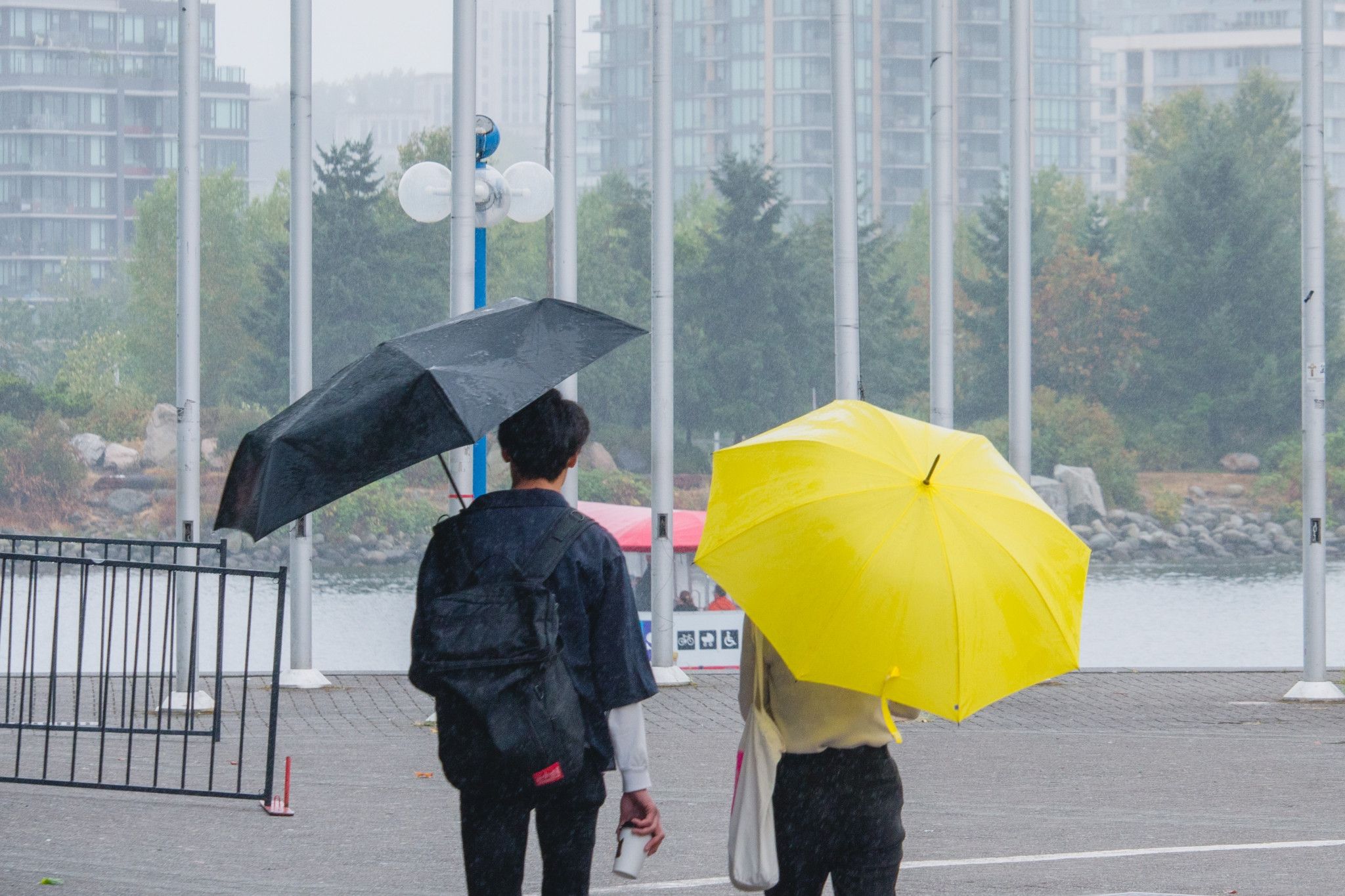
The report from Daily Hive Vancouver of a fleeting cool front, marking the end of summer with temperatures dipping from 20°C to 16°C by Sunday, offers a precise observation of how the seasons change in the Pacific Northwest. Environment and Climate Change Canada noted a low-pressure system and cold front for Wednesday morning, heralding rain showers. For a region that, according to a 2018 ABC News report, regularly anticipates rounds of rain and snow, this specific shift is a predictable rhythm.
Yet, for much of the Asia-Pacific, such weather patterns carry weight beyond meteorological observation. While Vancouverites might consider an umbrella for a single day, or note the end of beach weather, the relationship between climate and daily life, as well as cultural frameworks, can be more profound here. Our relationship with nature’s cycles is often less about forecasting an outfit choice and more about fundamental societal rhythms.
Consider the monsoon rains across Southeast Asia, which are not merely a weather event but a seasonal recalibration, shaping agriculture, infrastructure, and even social rituals. The ebb and flow of water, whether from a passing shower or a sustained rainy season, dictates more than just comfort; it influences economic stability, food security, and public health. This deeper engagement means that shifts in precipitation, even those less dramatic than a full monsoon, resonate differently across these cultures.
Indeed, the importance of water management and its cultural implications are often intertwined. A BBC report highlighted an initiative in the Asia-Pacific urging people to 'save water - sing short songs,' underscoring a regional consciousness around resource scarcity that transcends immediate weather conditions. This is a pragmatic, culturally embedded response to a broader environmental reality. The idea of 'claims beyond cleansing' in the Asia-Pacific soap, bath, and shower market, as described in a 2023 Mintel report, further illustrates how water-related products cater to a consumer base acutely aware of water's multifaceted role, not just its utility.
Of course, attributing every cultural nuance to climate is an oversimplification. Economic development, urbanization, and globalized lifestyles are significant factors that mediate the direct impact of weather. In bustling metropolises, for instance, a rainy day might primarily affect traffic or pedestrian flow, much like in Vancouver, rather than determining a harvest. The infrastructure of modern cities can buffer some of nature's more direct influences, creating a distance that allows for a more detached, 'weather forecast' perspective.
Nevertheless, the Vancouver report serves as a quiet counterpoint, illuminating a distinction. While an impending low-pressure system in one part of the world might signify merely a dip in temperature and the need for an umbrella, in the Asia-Pacific, similar climatic signals can trigger a far more complex set of cultural and economic responses. The precise observations of Vancouver’s transition from summer to fall, captured by the Daily Hive, become a lens through which to examine a more enduring, historically rooted relationship with the environment that continues to shape societies across Asia.
Sources
Newsletter
Pacific Daily
A curated briefing from Thailand, Asia-Pacific and the world.