The enduring appeal of celebrity endorsement in Asia's retail landscape
A footwear collaboration reveals a persistent pattern in consumer engagement.
SINGAPORE
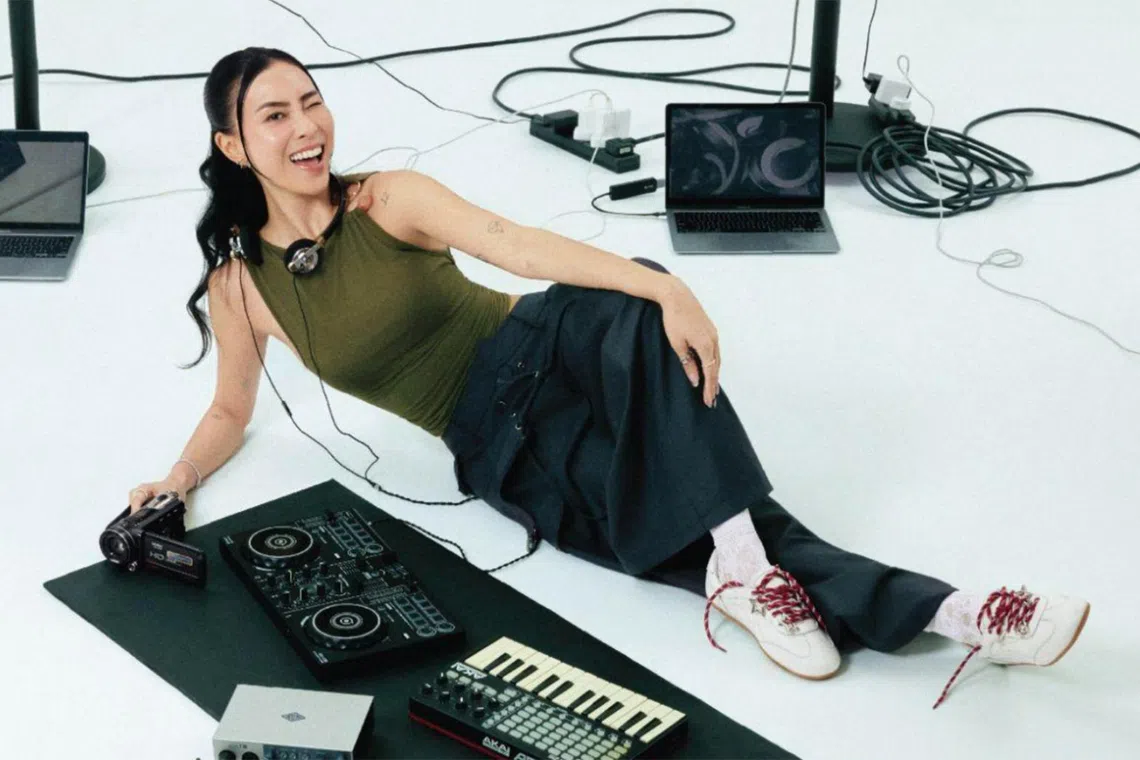
A recent footwear collaboration, featuring Singaporean radio DJ Sonia Chew and PrettyFit, signals a familiar dynamic within the region’s retail culture. The collection, described as inspired by Chew's 'on-the-go lifestyle and distinctive sense of style,' and drawing from three female pop stars, illustrates how public figures continue to anchor commercial ventures, particularly in fashion.
Historically, Asian markets have shown a distinct receptiveness to the confluence of celebrity and commerce. Unlike contexts where brand identity might stand alone, here, the individual often serves as the primary conduit for a product’s perceived value. This approach taps into an existing public trust or aspirational connection with the celebrity, a pre-established cultural signal that bypasses the slower process of pure brand building. It suggests an underlying assumption among consumers that a product endorsed by a recognizable, admired figure inherently carries a certain caché or quality. The 'three-piece range' for 'versatile daily wear' leverages this. The Straits Times Life reported this launch on September 17, 2026.
While some might argue that this strategy is a pragmatic response to market conditions, offering a direct path to consumer attention in a crowded retail environment, it also points to a broader cultural pattern. The celebrity, in this instance, becomes more than an ambassador; they are, in effect, a living brand extension. This move by PrettyFit with Sonia Chew is not an outlier; it echoes similar collaborations seen across various sectors, from beauty to lifestyle, consistently reported by regional media. The Singaporean brand The Paper Bunny, for instance, has cultivated a 'community-driven design' over 12 years, yet even their 2027 planner launch highlighted customisation, a personalisation trend that often parallels celebrity influence.
Yet, this reliance on personal branding carries inherent risks. The fortunes of a product become inextricably linked to the public image and perceived authenticity of its endorser. Should that image falter, the commercial venture can quickly lose its footing. The model assumes a persistent, positive public perception of the celebrity, a variable often beyond the control of the collaborating brand. For every successful venture, there are others that fade, often because the connection between the public figure and the product felt transient or inauthentic. The launch of Shiseido Group’s eight-brand beauty pop-up at Paragon, with its focus on 'interactive services, workshops and a consumer trail,' suggests an alternative path: engaging the consumer directly with the product’s attributes and experience, rather than solely through an intermediary figure.
This trend reveals a public that continues to seek reassurance or aspiration through known personalities. The underlying habit is to outsource a degree of judgment to cultural figures, rather than engage in a direct assessment of the product’s intrinsic merits. This dynamic, where the individual is the message, continues to shape retail narratives across the Asia-Pacific.
Sources
Newsletter
Pacific Daily
A curated briefing from Thailand, Asia-Pacific and the world.