The public motherhood of Koe Yeet and changing narratives of celebrity in Asia
An actress's personal milestone, publicly shared, offers a lens into shifting cultural expectations for women in the spotlight.
SINGAPORE
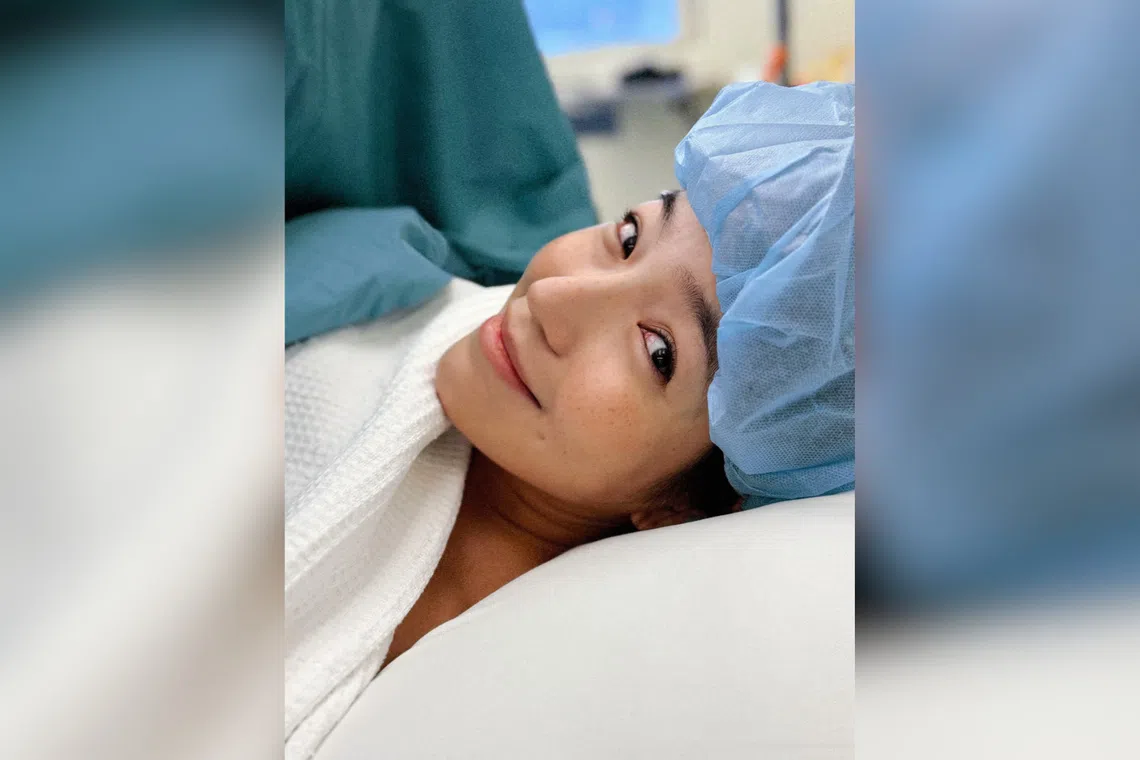
The public announcement by Malaysian actress Koe Yeet of the birth of her first child, a daughter, on September 16, comes six months after her 2025 wedding. Known for her lead role in the Singaporean series Titoudao and a recipient of the Best Newcomer (Actress) award at the Asia Contents Awards, Koe Yeet shared this personal milestone through social media, using the phrase, “My heart now lives outside my body.” This public declaration marks a notable shift in how personal life events, particularly motherhood, are presented and perceived within the celebrity sphere across Asia.
Historically, the private lives of public figures in the Asia-Pacific region, particularly women, have often been carefully managed, sometimes to the point of concealment, especially concerning relationships, marriage, and childbirth. The perceived need to maintain an image of availability or to avoid public scrutiny on family matters frequently led to delayed announcements or, in some cases, complete silence. Koe Yeet, a qualified lawyer who briefly practiced before returning to acting, chooses a different path, openly embracing and sharing her journey into motherhood. Her words, echoed across social media, transform a deeply personal experience into a public narrative. This approach contrasts with older traditions where such pronouncements were either filtered through official statements or remained private to avoid impacting a career. The explicit emotional language – “My heart now lives outside my body” – signals a departure from a more reserved, often stoic, public persona once common among actresses.
This shift raises questions about the evolving expectations placed upon female celebrities. Is the public now demanding more authenticity and shared humanity from their idols, or is this a calculated response to the pervasive nature of social media, where curated glimpses into personal lives are increasingly common? One might argue that such open sharing risks exposing celebrities to heightened public judgment, blurring the lines between their professional and private identities. Yet, the proliferation of personal narratives, from wedding announcements to pregnancy revelations, suggests a broader cultural movement. As platforms like Netflix distribute Asian content, exemplified by Mediacorp’s deal for CNA documentaries in 2021, the reach and influence of regional stars like Koe Yeet extend beyond traditional boundaries, potentially fostering a more globally informed audience with different expectations for public figures.
While this openness might seem like a progressive step, offering a more complete picture of celebrity life, it also presents a potential challenge. The expectation of constant sharing, driven by social media engagement metrics, could inadvertently pressure public figures to perform their personal lives for an audience. The very act of declaring personal joy, while genuine, becomes part of a broader cycle of content creation. The question remains whether this public performance of private life ultimately empowers the celebrity or subtly confines them to a new, more transparent, but equally demanding set of societal expectations, impacting how audiences perceive their roles both on and off screen.
Sources
Newsletter
Pacific Daily
A curated briefing from Thailand, Asia-Pacific and the world.