The Dome Replaces the Screen
Disney and Cosm bring Star Wars into a wrap-around arena, exposing how studio exhibition trades cinematic stillness for simulation
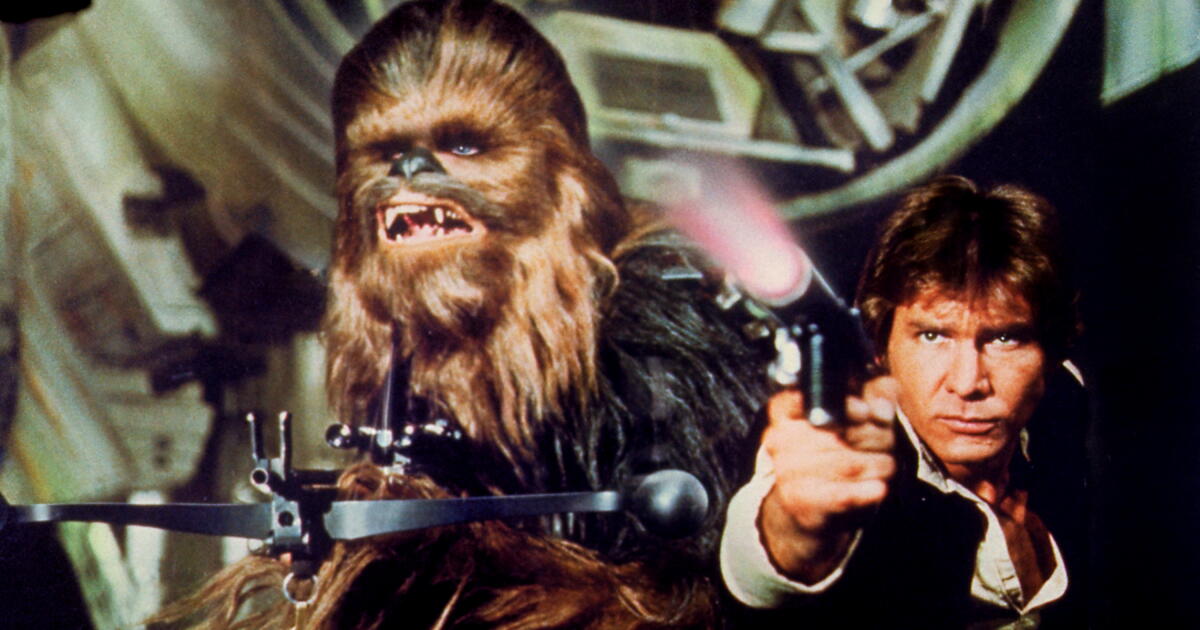
Light pours across a curved chamber in Inglewood, curling overhead until the boundary between projection and peripheral sight dissolves. The audience sits inside a high-definition spherical screen that wraps around the room, enveloped by visual effects calibrated to mimic physical presence. George Lucas originally assembled Star Wars in 1977 out of rectangular frames, matte paintings and deliberate focal distance. Five decades later, that same title is being repurposed as the test vehicle for an entirely different kind of viewing habit.
The Walt Disney Co. and Cosm have structured a multiyear, multifilm agreement that begins by reimagining Star Wars: Episode IV — A New Hope for this curved architecture. Where cinema once asked audiences to look through a proscenium window, the dome insists on placing them inside the machinery. Alexis Scalice noted the commercial weight of the timing, remarking, "We are thrilled obviously to be a part of the 50th anniversary." The arrangement extends beyond a solitary retrospective, creating an opening pipeline for studio catalogue titles seeking renewed monetization.
The Shift to Spatial Simulation
Studios confront an audience whose collective attention has fractured across personal devices and smaller domestic displays. To drag viewers out of their living rooms, exhibition venues are borrowing structural tactics from theme-park attractions. The appeal relies on sensory containment rather than storytelling discipline. By stretching a 1977 production across a spherical display, the film ceases to function purely as cinema. It operates instead as an environmental installation, where the viewer tracks movement along the margins of their vision rather than reading intentional framing.
We are thrilled obviously to be a part of the 50th anniversary.
Yet this transformation highlights an unresolved contradiction between cinematic intent and immersive presentation. Lucas designed his sequences with negative space, allowing stillness and editing rhythm to guide the eye across a standard plane. When that flat composition is wrapped over curved surfaces, the camera no longer dictates what matters. The technology grants total visual coverage, but it strips away the deliberate focus that made the original work durable.
Preserving Frame Against Environment
Other historical franchises have faced comparable commercial impulses. Studio properties like Harry Potter and the Sorcerer’s Stone, The Matrix, and Willy Wonka and the Chocolate Factory under Warner Bros have historically negotiated how far a catalog can be stretched into experiential formats. A USD 100000000 threshold often separates cautious digital restoration from full environmental adaptation. What begins as an anniversary novelty can swiftly redefine exhibition norms across Pacific rim commercial circuits.
The commercial logic behind the Inglewood venture assumes that modern spectators will pay for sensory saturation when traditional theatrical rereleases fall flat. If this spherical model proves financially durable, older film libraries will be evaluated less for their narrative integrity and more for their malleability within high-definition projection domes. The original framing of a shot becomes raw material, refitted to fill every corner of a patron's sightline.
Inside the Inglewood dome, the audience no longer stares toward a horizon. They sit inside it, watching an old space opera navigate the trade-off between architectural immersion and the lost discipline of the frame.
Sources
Newsletter
Pacific Daily
A curated briefing from Thailand, Asia-Pacific and the world.