The Curatorial Cartel Yields Its Monopolies
By dispensing with touring fees, the tripartite pact between M+, MoMA, and the Centre Pompidou challenges the financial architecture of museum prestige.
SINGAPORE
International museum diplomacy has long functioned as a structured mercantile hierarchy. Major institutions in Paris or New York routinely treated overseas civic centers not as analytical peers, but as solvent recipients for rented masterworks and branded franchise outposts. Curatorial stewardship remained tethered to transatlantic storehouses, while distant venues supplied licensing revenue and logistical underwriting.
That established commercial transaction shifted on October 30, 2026, within the West Kowloon Cultural District.
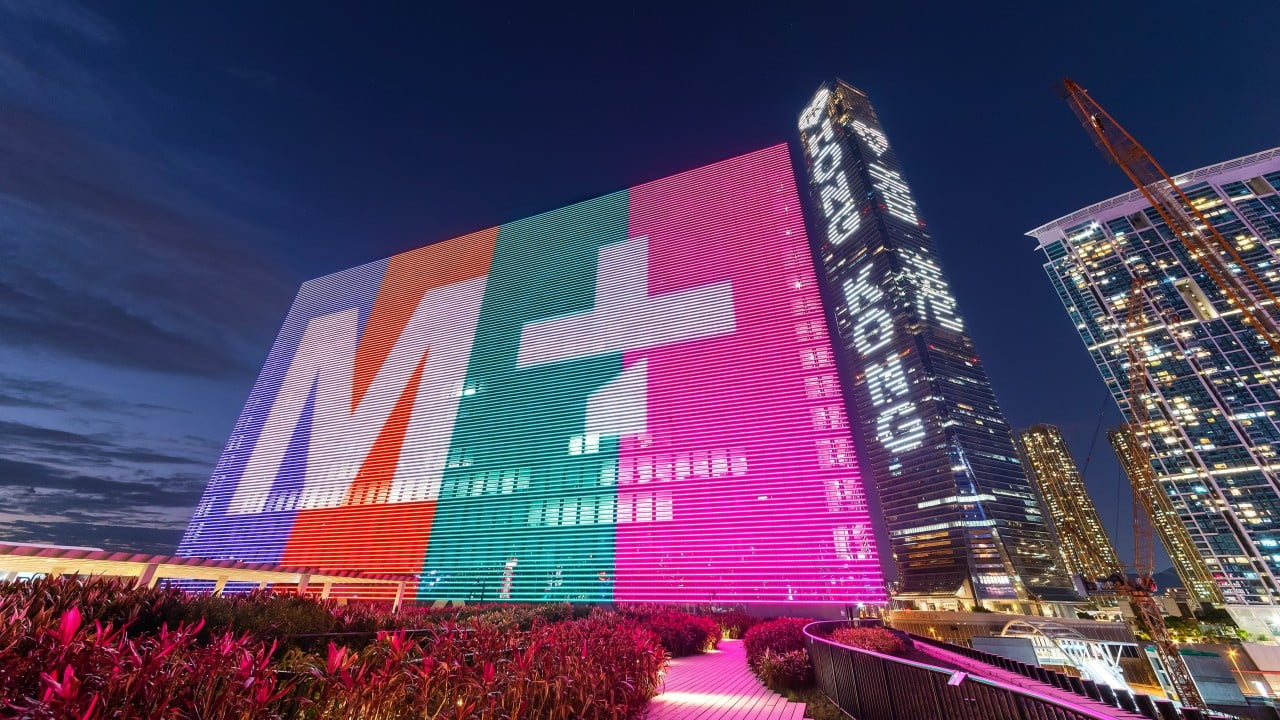
There, Hong Kong’s M+ museum signed a tripartite framework agreement with New York’s Museum of Modern Art and the Centre Pompidou in Paris. The alliance departs from conventional short-term blockbuster touring exhibitions and fee-based satellite franchises, focusing instead on long-term loans. Crucially, the pact proceeds with no money changing hands. By stripping rental fees from the exchange framework, the institutions have removed the primary commercial mechanism that has defined cross-border exhibitions for half a century. Visual culture is slated to move across hemispheres without an accompanying invoice, altering how modern art history is staged and shared.
Beyond the Franchise Model
Expanding an institution's global footprint historically meant exporting a brand name in exchange for municipal capital. Western institutions regularly used fee-bearing roadshows to offset operating deficits, leasing canonical holdings to newly built civic districts eager for instant international prestige. In this marketplace, culture functioned as an export commodity.
Such arrangements rarely altered underlying intellectual hierarchies. Originating institutions preserved their curatorial authority and banked the financial surplus, while hosting venues served merely as temporary exhibition depots. Receiving institutions paid substantial sums to exhibit modernism, tacitly accepting that canonical scholarship belonged elsewhere. Removing direct rental fees decisively dismantles that patron-client contract. For M+, entering a non-monetary compact alongside MoMA and the Centre Pompidou positions regional scholarship on equal footing. Reciprocity replaces extraction. When modern and contemporary holdings travel as mutual loans between peers rather than packaged assets leased to clients, the geographic center of interpretive authority begins to diffuse across borders.
The Reciprocal Dilemma
Whether this collaborative model can endure without financial incentives remains a valid question. The Centre Pompidou and MoMA possess century-long accumulations of modern masterworks, whereas newer institutions oversee comparatively recent collections. A framework resting entirely on trust and mutual generosity faces structural friction whenever administrative priorities shift or exhibition schedules clash. Without monetary obligations enforcing delivery, sustained collaboration demands continuous institutional commitment. Furthermore, civic authorities who finance cultural infrastructure often measure success by blockbuster foot traffic, a metric traditional roadshows reliably delivered. If public audiences demand high-profile retrospectives, museum directors may face political pressure to revert to familiar, transactional touring arrangements.
Yet the structural significance of the pact lies in what it quietly displaces. The agreement discards the premise that newer museums must buy access to modern visual heritage. What is preserved is institutional access to major works; what is discarded is the commercial apparatus that once governed it. Cultural prestige, for once, is no longer being treated as a commodity for sale.
Sources
Newsletter
Pacific Daily
A curated briefing from Thailand, Asia-Pacific and the world.