The Displaced Lens and the Fragile Shelter of Expression
Hoda Afshar’s trajectory from state repression in Iran to cultural prominence in Australia reveals how diasporic art interrogates institutional control.
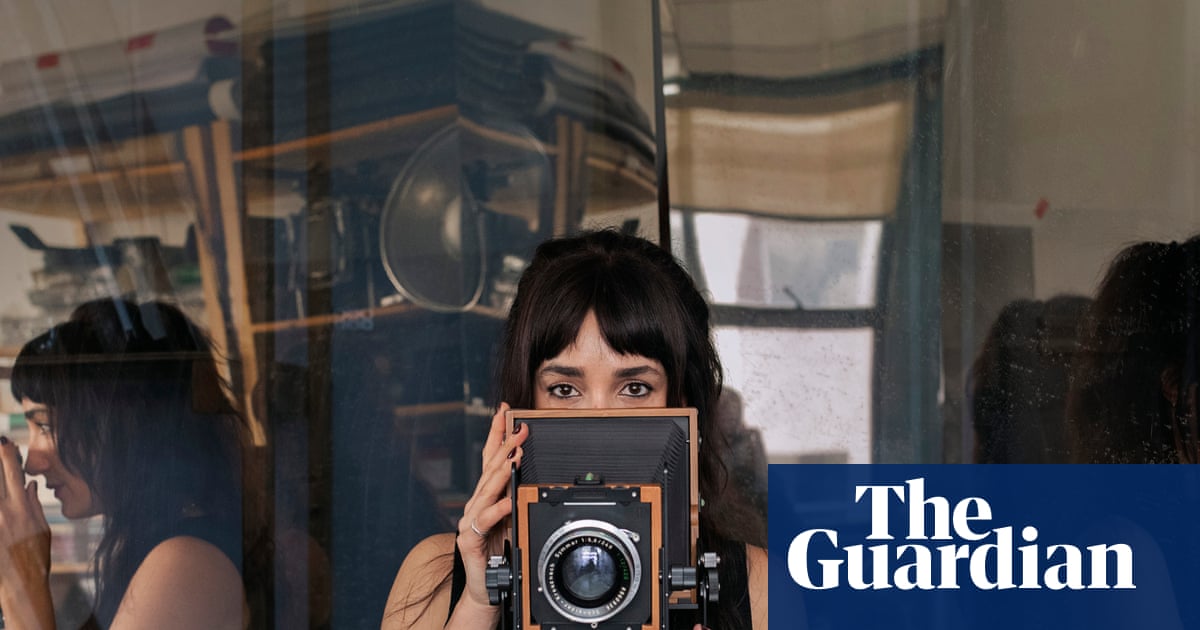
Authoritarian systems invariably begin their discipline on public decorum, calculating that when daily appearance is policed, private conviction will eventually follow. In the theocratic landscape of Iran during the 1990s, state enforcement reached directly into the wardrobes and gatherings of the young. For Iranian Australian artist Hoda Afshar, adolescence unfolded under repeated arrests and physical punishment inflicted by the morality police, provoked by improperly worn hijabs or attendance at underground parties. Confinement in cramped solitary cells for nights at a time became a shared rite of passage for an entire cohort, establishing early on how state apparatuses reduce individual autonomy to procedural infractions.
Now working in Australia, Afshar directs her visual practice toward confronting the machinery of institutional power, turning the memory of ideological suppression into a deliberate interrogation of modern systems. Her trajectory raises a critical question for cultural observers across the Pacific: what happens when artists formed by authoritarian surveillance relocate into democracies that celebrate free expression while operating their own opaque administrative regimes? The assumption that artistic relocation represents a simple passage from subjugation to complete liberation oversimplifies how institutional power functions across borders.
The Geography of Containment
Public discourse frequently treats political migration as an absolute rupture, wherein the creative exile leaves intimidation behind to enjoy unencumbered speech. Afshar has noted that she does not take freedom of speech for granted, an ethos rooted in her formative years under coercive governance. Yet her work in Australia deliberately avoids self-congratulatory narratives of sanctuary. Instead, her lens focuses on human life and human dignity inside inhumane systems, documenting those who spoke up and subsequently paid a heavy price.
What I care about is human life and human dignity.
By immortalising individuals caught within institutional gears, Afshar demonstrates that the instinct to manage, obscure, and silence dissent is hardly unique to religious autocracies. The methods diverge, with one society deploying morality patrols and solitary cells while another relies on bureaucratic exclusion and legal deterrence, but the impulse toward administrative control remains constant. Her creative stance suggests that artistic responsibility does not soften within liberal democracies; rather, it acquires a more demanding duty to expose where democratic rhetoric fails vulnerable people.
Surveillance and the Border
There is, of course, a reasonable counterargument regarding the distinction between systemic violence and democratic deliberation. A skeptic might observe that Australia provides legal protections, public exhibition spaces, and institutional support that would be entirely unthinkable under Iranian theocracy, making any implied parallel between the two jurisdictions appear disproportionate. The rule of law and statutory protections for expression are real safeguards, creating avenues for critique that authoritarian regimes routinely extinguish with violence.
Yet this defense misses the subtle ways comfortable societies assimilate dissent into passive aesthetic appreciation. When political art is collected and celebrated primarily as evidence of a host nation’s generosity, the original indictment risks being defanged. The critique is transformed into cultural capital, allowing audiences to admire the artist’s courage without confronting the domestic machinery she critiques.
For cultural observers across the region, where debates over speech, exile, and sovereignty remain acute, Afshar’s work shows that dignity is preserved not by national alignment, but through persistent witness. Memory formed under street-level coercion carries across oceans, retaining its edge against complacency wherever authority demands silence.
Sources
Newsletter
Pacific Daily
A curated briefing from Thailand, Asia-Pacific and the world.