The Commercial Reality Behind Asian Pastry's Global Ascent
Dej Kewkacha's international accolade marks a regional shift, but pastry economics still answer to Western standards
SINGAPORE
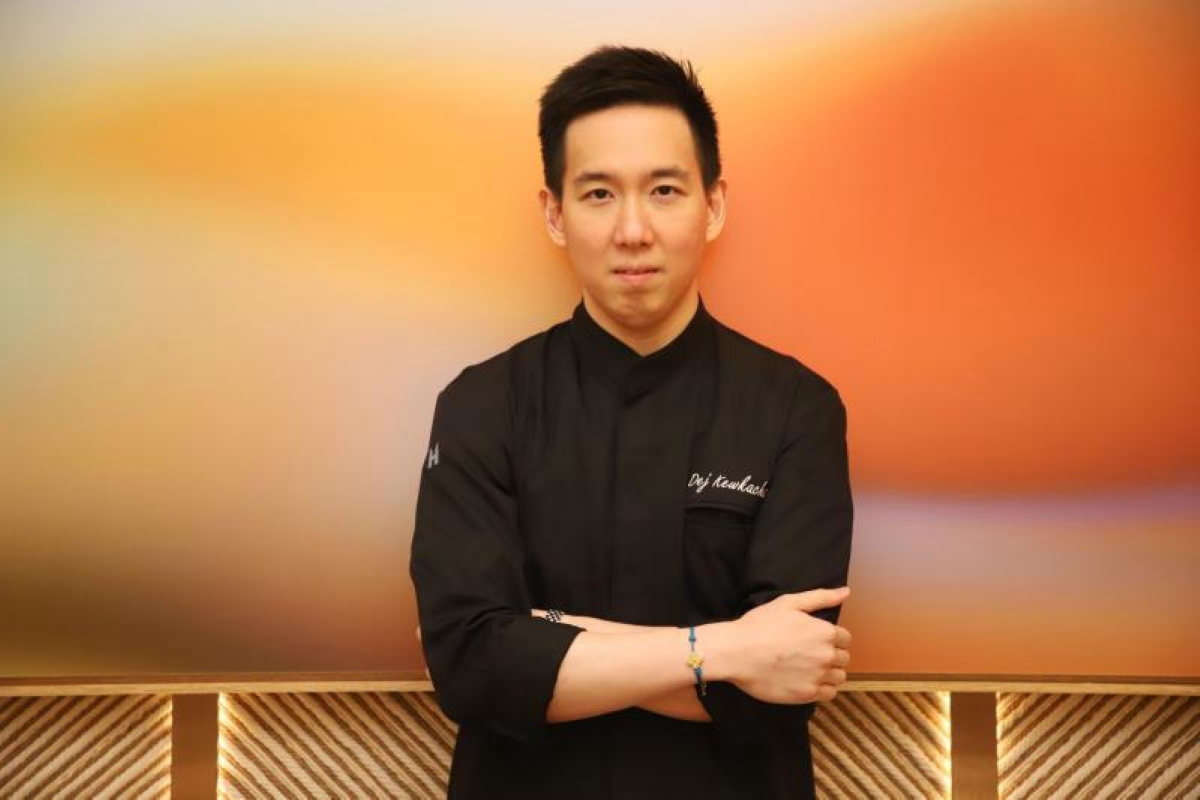
Elite restaurant rankings celebrate individuals while obscuring the production mechanics that make their recognition possible. At the 2026 revelation in Lima, Peru, Dej Kewkacha was named the World's Best Pastry Chef, becoming the first Asian pastry chef to take the title. The event, staged at the Teatro Municipal de Lima, simultaneously registered Gaggan at No.2 globally, providing Thailand with dual placements near the apex of international hospitality evaluation. Celebratory commentary followed immediately across Asia. Even so, the gap between personal distinction and the broader economic apparatus of regional pastry remains unaddressed.
Western culinary institutions have historically restricted Asian kitchen talent to savoury disciplines. Rice, coconut milk and palm sugar rarely entered the technical vocabulary that European pastry academies value, where butter fat ratios and tempered chocolate dominate assessment rubrics. Kewkacha's recognition challenges that hierarchy on paper. When an Asian professional captures a discipline long steered by French technique, symbolic authority shifts. Thailand gains cultural leverage beyond street food staples, demonstrating that complex dessert architecture can emerge from Bangkok rather than Europe.
Capital and Technique
Recognition at this altitude alters commercial trajectories. International dining lists operate less as neutral arbiters of skill and more as engines of capital allocation. A high placement elevates booking velocity, attracts investor backing, and permits premium menu pricing that insulates high-cost kitchens against inflation. With Gaggan holding the second position globally alongside Kewkacha's title, operations based in Thailand demonstrate that they can command sustained international attention and private dining spend.
Individual titles do not dismantle structural dependencies.
Yet the structural limitations of elite awards persist. Global lists evaluate finished plates, not agricultural origins or laboured preparation margins. Traditional Thai confectionery relies heavily on manual labour, delicate steaming and fragile shelf lives, traits that resist industrial scale and uniform export. French pastry systems conquered hospitality worldwide because their components could be systematised, refrigerated and replicated across hotel networks from Copenhagen to Tokyo. Modernising heritage recipes demands capital investment, research and specialised kitchen hardware that few independent operators can fund.
Kewkacha told the Bangkok Post that he aims to modernise traditional desserts and take them abroad to show how inventive Asian pastry can be, arguing that it is time for Thai sweets to serve as cultural soft power alongside established exports like pad Thai. That ambition confronts steep kitchen balance sheets. Elevating indigenous ingredients into formal tasting menus requires bridging the gap between street-level price expectations and high-end production expenses.
The Export Barrier
Sceptics may point out that the award itself proves the market is evolving. If the world's most visible culinary panel votes for a Bangkok pastry chef, international consumer demand will inevitably follow. Diners seek novel flavour profiles, and modern Asian sweets offer untrod territory for hospitality operators searching for distinct offerings.
That argument mistakes elite visibility for structural transformation. One pastry chef winning a trophy in Lima does not alter the commodity balance. Butter, dairy lipids and European chocolate bases continue to dictate the cost structure of high-end bakery operations worldwide, including those in Bangkok. Operators attempting to elevate local ingredients must still navigate an import-dependent supply chain to meet the texture standards imposed by international critics.
The real test will unfold far from Lima's podium. Whether Kewkacha's win becomes an isolated milestone or the foundation for an autonomous regional tradition depends on whether Asian sweets can establish their own technical grammar, independent of Western grading criteria.
Sources
Newsletter
Pacific Daily
A curated briefing from Thailand, Asia-Pacific and the world.