Marriott’s Ao Nang Debut Tests the Capacity of Krabi’s Coastal Hub
The arrival of Fairfield in southern Thailand highlights how midscale global hotel chains lean on public infrastructure and local shorelines.
SINGAPORE
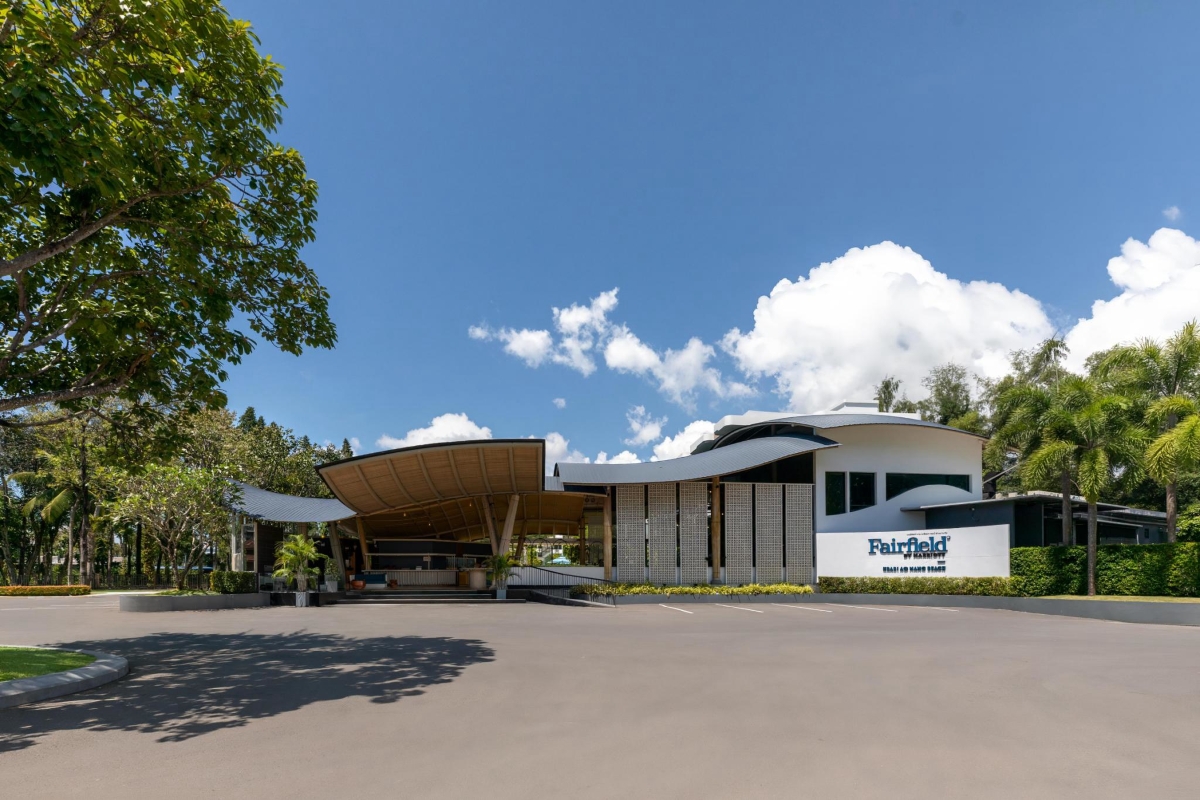
Corporate hospitality expansion across southern Thailand does not begin on secluded private headlands; it embeds itself directly into crowded municipal corridors. As recorded by Bangkok Post Life, Fairfield by Marriott Krabi Ao Nang Beach marks the formal debut of the Fairfield brand in Thailand. The property introduces 218 guestrooms into one of the province's most densely concentrated transit and commercial zones, testing how much additional density the surrounding coastal enclave can absorb.
On the surface, the opening reflects standard brand diversification by an international lodging operator entering secondary resort markets. In analytical terms, the project demonstrates how midscale hospitality investments depend on municipal thoroughfares and community surroundings while transferring the physical burdens of growth onto local infrastructure.
The development is situated in Ao Nang, located approximately 27km from Krabi International Airport. Rather than isolating arrivals within an autonomous compound, its location places occupants immediately beside neighborhood shops and dining venues. The address also provides direct proximity to staging points for boat trips heading to Railay Bay and the Phi Phi Islands. Physical specifications indicate a six-tier room inventory spanning between 24 and 48 square meters, incorporating formats such as Garden View and Pool Access units alongside two swimming pools and an integrated water slide. In functional terms, this scale injects institutional lodging density into a beachside district historically organized around independent street commerce.
Infrastructure and Corporate Scale
International reservation channels allow global chains to capture steady patron volumes, yet these establishments rely on shared civic corridors to sustain their everyday operations. The 27km transit route linking the hotel to Krabi International Airport routes guest shuttles through municipal bottlenecks that already handle peak commuter movements. Concurrently, shore departure points servicing excursions to Railay Bay and the Phi Phi Islands must accommodate an influx of maritime passengers without receiving capital contributions from incoming hotel chains for pier maintenance.
The operational friction of corporate lodging expansion is absorbed not on private hotel grounds, but along shared roads and crowded public piers.
This division between commercial revenue and civic operational maintenance exposes a clear structural dynamic. While large-scale properties generate hospitality receipts, the daily burden of managing heightened visitor flows falls on district administrators and municipal service staff. The physical demands placed on local transit corridors and public shorelines illustrate how institutional development models externalize civic wear onto shared public assets.
Shifting Density in Ao Nang
A plausible counterargument holds that established international brand presence delivers tangible benefits to surrounding districts. Travelers staying at the 218-room property walk directly into adjacent retail rows, dispersing expenditures into neighborhood restaurants and private stalls rather than remaining confined to private hotel lounges. Brand visibility can also stabilize booking numbers during slower travel periods, offering consistent customer turnover for local boat pilots and transit operators.
Yet the broader economic pattern suggests that such corporate clustering carries distinct trade-offs for district commerce. Increasing property values around multinational hotels tend to drive commercial rents upward, frequently crowding out family-run vendors in favor of standardized corporate retail. When multinational operators expand into dense coastal enclaves, the advantages of brand distribution flow directly to corporate headquarters, while the physical strain on access routes and coastal departure points remains with the surrounding district.
Sources
Newsletter
Pacific Daily
A curated briefing from Thailand, Asia-Pacific and the world.