A Small Act of Help in Thailand, a Larger Context for Russia
A roadside incident near Pattaya highlights individual conduct against a backdrop of wider geopolitical maneuvering involving Moscow.
SINGAPORE
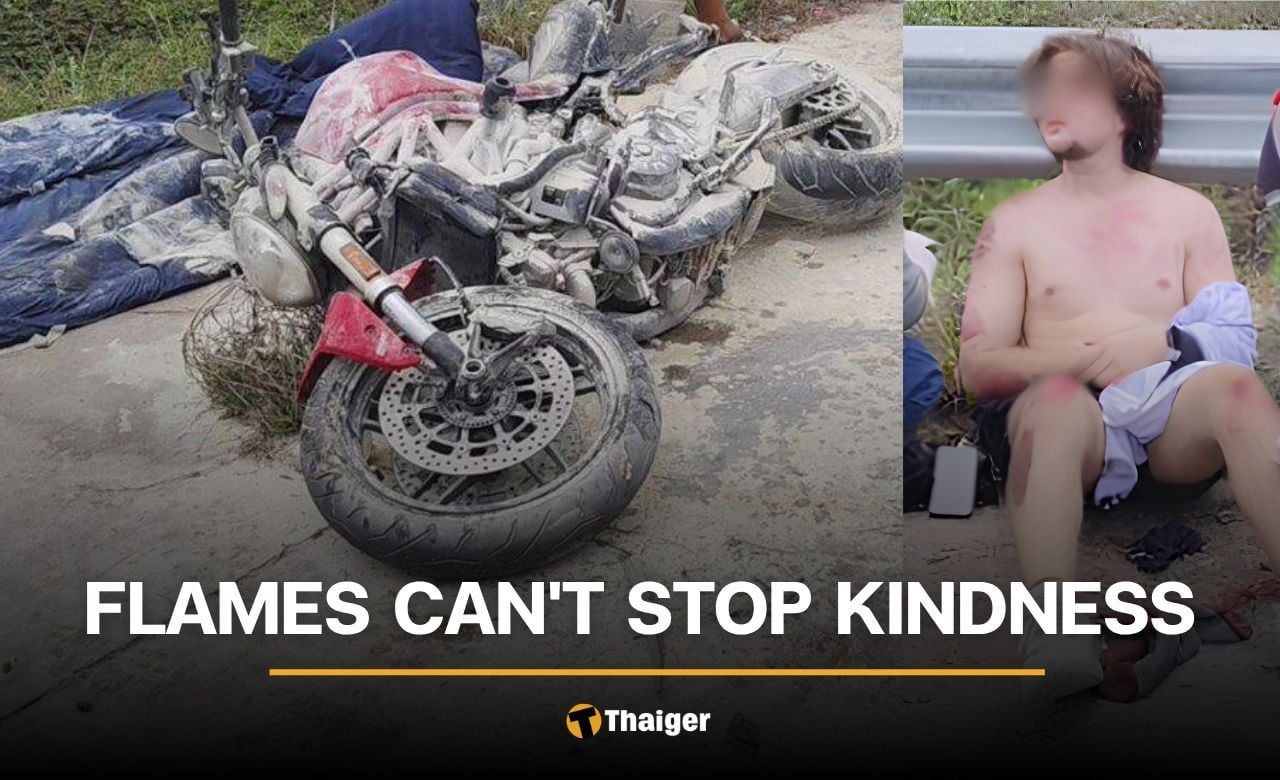
On the evening of Wednesday, September 17, near the Wat Santikham U-turn in Nong Pla Lai, Bang Lamung, Chon Buri, a Russian motorcyclist demonstrated a personal act of aid. After a collision on Route 36, his own red Ducati motorcycle caught fire. Despite this, the 24-year-old Russian man stopped to check on Thanakrit, a 39-year-old Thai man who was also injured in the incident. Rescue workers from the Sawang Boriboon Thammasathan Foundation were called to the scene, finding the Ducati with fire damage and its rider with grazes. A damaged Honda Wave was found nearby.
This single event, reported by The Thaiger, contrasts with broader narratives concerning Russia's presence and activities in the Asia-Pacific region. While an individual rendered assistance, the wider geopolitical environment suggests a Russia actively engaging with the region. Indonesia's President has pitched his country as a 'gateway' for Russia into Southeast Asia, as reported by The Diplomat on September 4. This indicates a strategic intent to foster deeper ties.
Simultaneously, discussions around Russia's global standing are ongoing. The Jakarta Post reported on September 6 that Moscow is not ruling out a trilateral meeting involving Russian, US, and Chinese leaders. The South China Morning Post reported on September 2 that the Kremlin suggested Xi, Trump, and Putin might meet at the next Apec forum. These high-level diplomatic considerations highlight Russia's efforts to position itself within the global power structure, a move that would significantly impact regional dynamics.
Such high-level diplomacy occurs amidst rhetoric concerning international relations. Reuters reported on August 13 that President Putin stated Russia would begin seizing European vessels if its own ships were targeted. This kind of statement establishes a confrontational posture, particularly towards Western entities, and illustrates the potential for escalating tensions across different spheres.
Separately, The Japan Times reported a Russian screening of a Soviet-era film to a small audience in Taipei alarmed Taiwan. This instance, while seemingly minor, points to the sensitivities surrounding Russia's cultural or soft power initiatives in geopolitically delicate areas. It underscores how even small-scale events are scrutinized through a lens of regional security and political alignment.
What this motorcycle incident near Pattaya changes for someone's month is immediate. For Thanakrit, the aid received directly impacts his recovery from injury. For the Russian rider, it represents a moment of personal decision in a crisis. For observers, it might offer a moment of individual connection, separate from national political narratives. However, it does not alter the larger strategic shifts taking place. Moscow's engagement in the Asia-Pacific, whether through economic partnerships, diplomatic overtures, or cultural activities, continues to unfold.
The outcome of Russia's broader regional strategy now depends on how these diverse engagements — from economic pitches to high-level summits and even cultural events — translate into concrete policies and relationships. The individual act of help in Thailand remains just that: an individual act, separate from the complex and multifaceted political landscape involving Russia in the Asia-Pacific.
Sources
Newsletter
Pacific Daily
A curated briefing from Thailand, Asia-Pacific and the world.