The Arithmetic of Mountain Coexistence
Wildlife counts in high-altitude terrain demonstrate how technical conservation mandates diverge from operational grazing practices.
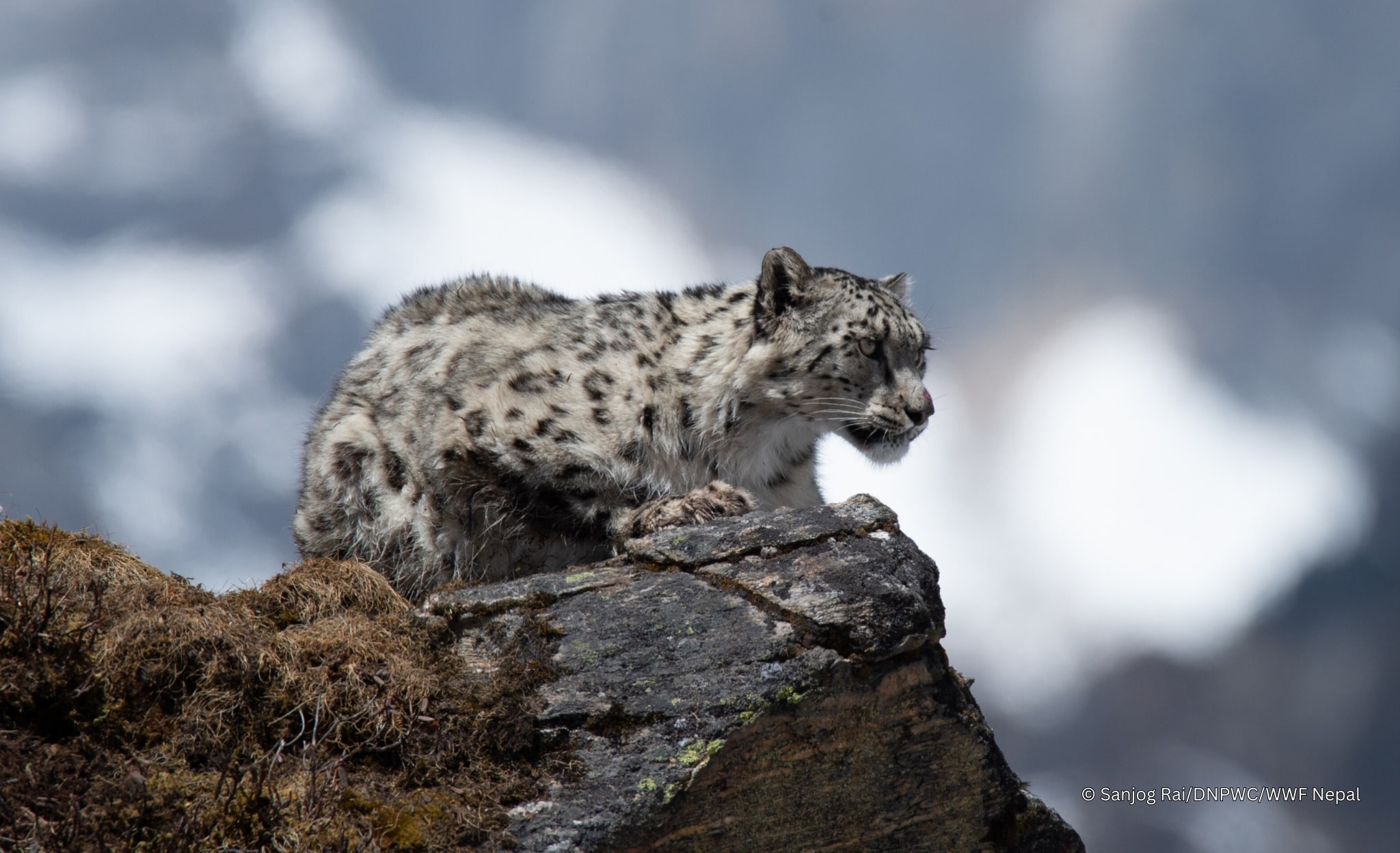
A 2025 government survey recorded roughly 397 snow leopards living in Nepal. That baseline figure registers an ecological presence across steep alpine corridors, but it also measures an unresolved operational dilemma. Animals and pastoralists share high-altitude working ground where wild prey is declining, climatic shifts alter baseline grazing, and retaliatory killings by herders remain an ongoing hazard.
State frameworks approach this friction through administrative categories. On International Snow Leopard Day, marked on Oct. 23, institutional messaging tends to emphasize community-centered conservation, innovative science, and climate-ready habitats as integrated management tools. In practice, statutory conservation design frequently diverges from the day-to-day mechanics of livestock handling.
Field evidence shows why.
The Overlapping Range
Territorial management assumes clear spatial divisions that animal populations routinely ignore. A study published earlier this year documented that snow leopards (Panthera uncia), common leopards (Panthera pardus), and Himalayan wolves (Canis lupus chanco) share territory rather than holding separate domains. Multi-species predator overlap across a single high-altitude zone concentrates foraging pressure on the remaining wild prey base.
When three apex carnivores hunt the same terrain, livestock herds frequently present the most accessible nutritional return. For herders operating along narrow margins, an apex predator represents a recurring capital loss rather than a conservation milestone. Programs that promote coexistence without providing immediate financial insulation against animal mortality struggle to curb retaliatory strikes.
Field documentation by specialists including Narayan Prasad Koju, Rodney Jackson, and teams from the Snow Leopard Conservancy indicates that structural preservation requires direct alignment with local grazing routines. Reporting by Mongabay’s Liz Kimbrough has outlined how researchers observe areas such as Nepal’s Lapchi Valley to track whether community initiatives alter retaliatory patterns. Even so, the underlying operating balance for herding households remains vulnerable.
Capital Exposure and Enforcement
Technical monitoring provides data without absorbing risk. Remote sensing, camera traps, and statistical modeling yield precise population estimates, but cameras cannot settle livestock losses incurred by an isolated family. Unless regulatory protections are matched with reliable, liquid compensation schemes, conservation mandates risk functioning as unfunded compliance burdens shifted onto rural households.
Counting apex carnivores across high ridges does not remove the capital cost of sharing grazing land with them.
Advocates of existing frameworks argue that local settlements eventually capture offsetting returns through broader ecological stability, grant funding, or incoming visitor traffic. That calculation, however, assumes that pastoral families maintain enough cash reserves to withstand immediate asset depletion while waiting for prospective returns. Subsistence herds cannot absorb repeated losses without reaction.
The durability of alpine conservation does not depend primarily on confirming 397 snow leopards or mapping predator distribution charts. It rests on whether administrative bodies can structure viable financial mechanisms for the herders who absorb the immediate cost of predator survival.
Sources
Newsletter
Pacific Daily
A curated briefing from Thailand, Asia-Pacific and the world.