Thai Queen's Textile Diplomacy Aims to Shift Perception, Create Opportunity
Royal visits often carry unspoken messages, and the Queen's recent appearance in Vietnam suggests a focus on cultural soft power and economic impact for local artisans.
SINGAPORE
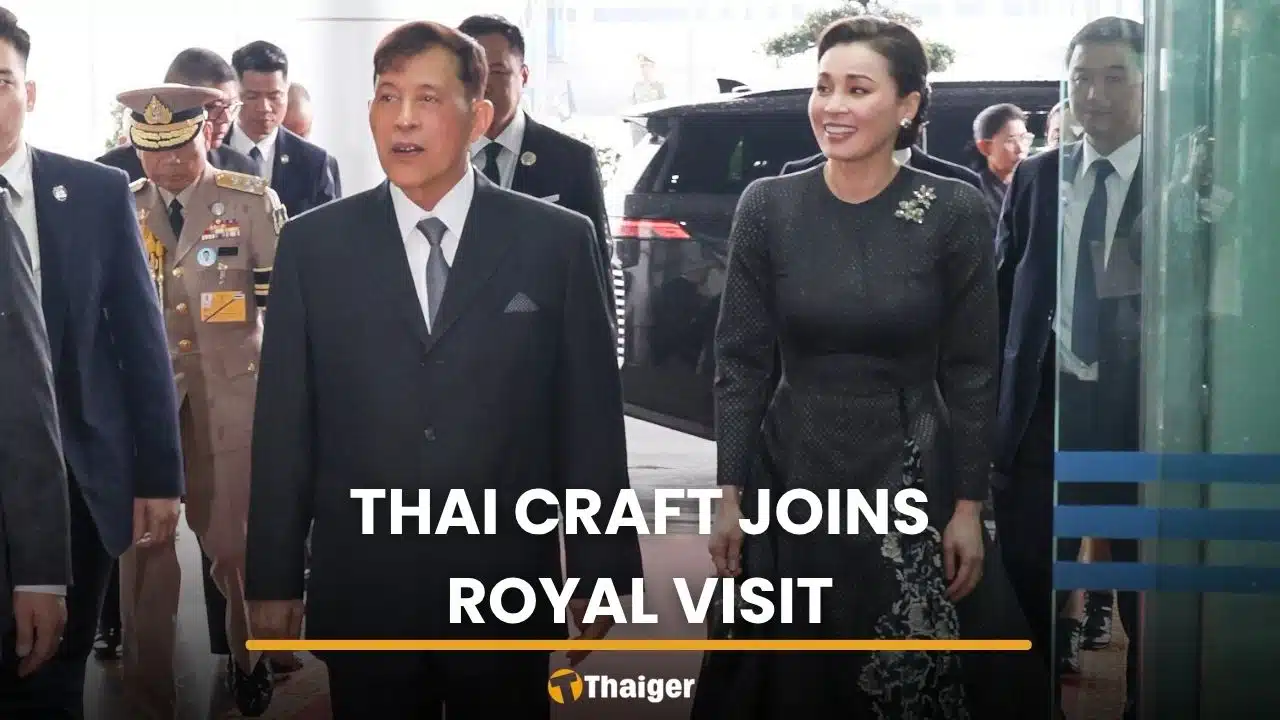
The image of Queen Suthida arriving in Hanoi for a state visit, dressed in a dark-grey mudmee silk dress and carrying a handwoven yan lipao bag, may seem like a detail of royal protocol. However, for many in Thailand, such appearances are not merely ceremonial. They are carefully orchestrated displays that can carry tangible implications, especially for the communities involved in producing these traditional crafts.
The royal couple’s visit to Vietnam from September 14 to September 16 marked 50 years of diplomatic relations between the two nations. The Queen’s choice of attire for her arrival is an example of what is often referred to as 'textile diplomacy,' a practice that can elevate traditional crafts to an international stage. The mudmee silk, a form of ikat weaving, and the yan lipao bag from Narathiwat, represent distinct Thai artisan traditions. By showcasing these items, the Queen provides exposure that can translate into demand and income for the artisans and their communities.
This approach contrasts with some of the more politically charged narratives that have circulated around the Thai monarchy in recent years. Public discourse has included events like Thai protesters being acquitted over a run-in with the Queen's motorcade in 2023. These incidents highlight underlying tensions within the country regarding the institution. While the monarchy has also been involved in efforts like royal pardons for figures such as Thaksin, as reported in June 2026, and has engaged with international bodies such as the Food and Agriculture Organization in January 2024, the focus during this state visit was decidedly on cultural promotion.
The choice to emphasize traditional crafts during an international visit suggests an attempt to project a specific image of Thailand—one rooted in cultural heritage and artisanal skill. For an artisan in Narathiwat, a mention, or even a photograph, of a yan lipao bag carried by the Queen can elevate their product from a local item to an internationally recognized craft. This form of visibility can be invaluable, potentially opening new markets and providing a boost to local economies that are often reliant on such traditional skills.
However, the ultimate impact of such gestures on the lives of individual artisans is not always direct or immediate. While visibility is crucial, the infrastructure for scaling production, ensuring fair wages, and navigating international trade must also be present for these opportunities to be fully realized. The question remains whether these high-profile displays translate into sustained economic uplift for the craftspeople, or if the benefit remains largely symbolic. For many, the daily reality of their month will depend not just on royal endorsement, but on tangible policy and market access that follow.
Sources
Newsletter
Pacific Daily
A curated briefing from Thailand, Asia-Pacific and the world.