Technology Contracts and Public Trust: A Structural Issue Beyond Hawaiʻi
The case of a Hawaiʻi law enforcement official raises questions about capital allocation and oversight in procurement processes, with implications for Asia-Pacific nations acquiring surveillance technology.
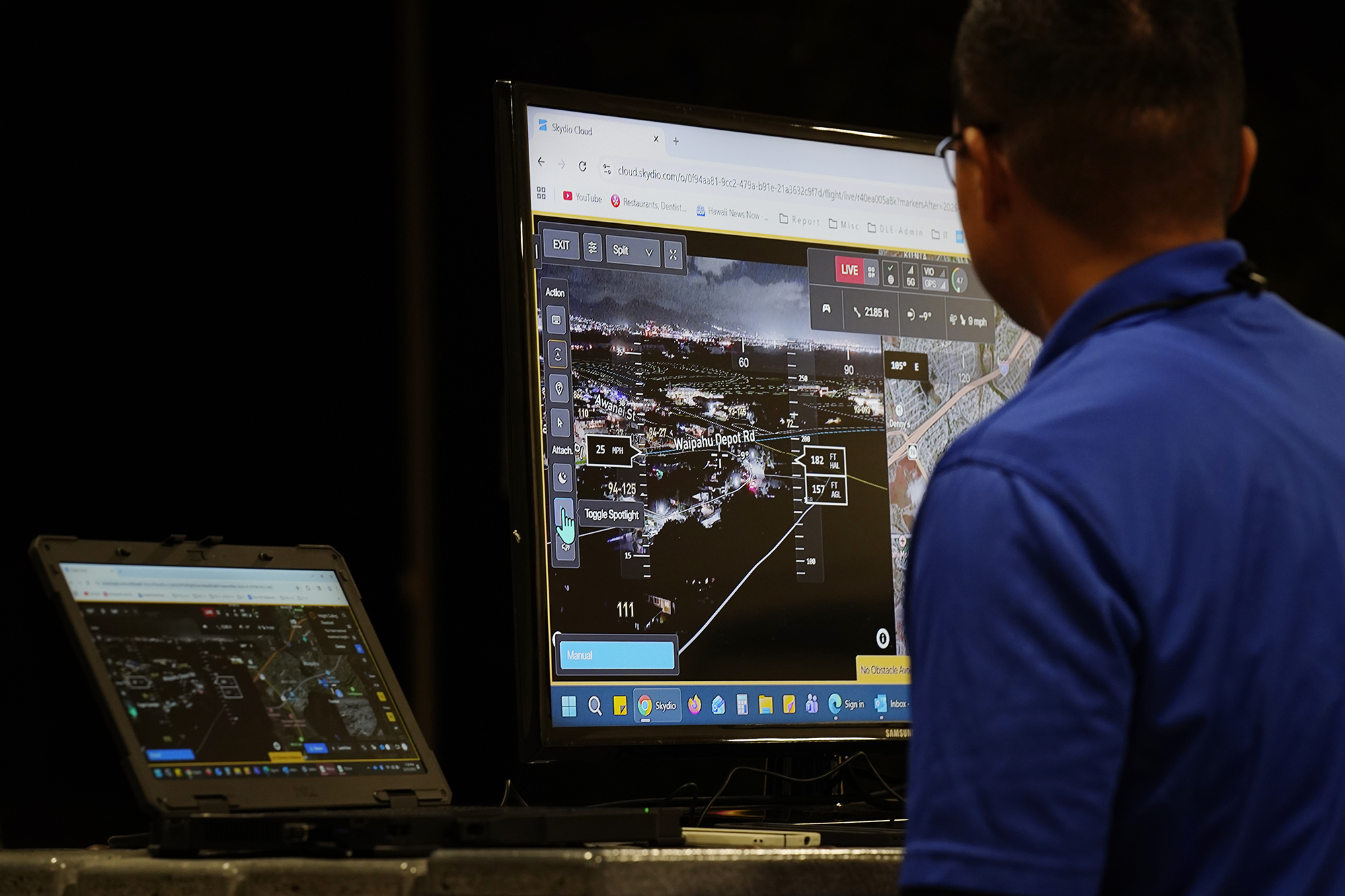
A Hawaiʻi Department of Law Enforcement official, Brandon Asuka, identified specific technology companies at policing and surveillance conferences over the past two years. Subsequently, he accepted employment with one of these identified companies. This sequence of events, as reported by Honolulu Civil Beat on August 27, 2026, concerns the allocation of public funds — approximately $30 million in tech contracts — to private entities.
This individual's presence at more law enforcement conferences than most state workers suggests a significant investment in his exposure to such technologies. The identification of companies that "impressed him" before a job offer materialized with one of them raises a fundamental question about the integrity of the procurement process. The commitment of public capital to acquire these systems is a critical policy decision, particularly when the evaluation and selection process appears to lack independent layers of oversight.
The capital plan for departments seeking advanced surveillance or policing technology often relies on expert recommendations from within the agency. However, when the individual making those recommendations transitions directly to a company that benefited from such contracts, the public perception of an impartial process is compromised. This does not necessarily constitute a legal violation, but it exposes a structural vulnerability in how public funds are expended. The absence of specific dates for the contract awards or the official’s departure and subsequent employment limits a precise timeline of events, but the causal link between identifying companies and later joining one requires scrutiny.
For countries across the Asia-Pacific region, many of whom are also investing heavily in surveillance and policing technologies, this case highlights a critical area for policy review. Governments in Thailand, for instance, acquiring similar systems, must ensure that their procurement frameworks prevent any individual from holding undue influence over contract awards that could later benefit their private interests. The structural analyst's focus here is not on individual culpability, but on the system that permits such potential conflicts of interest to arise and persist.
One could argue that an official’s expertise, developed through conference attendance and evaluation, is valuable to both the public and private sectors. Proponents might suggest that movement between these sectors is a natural career progression and that blocking it would limit the talent pool available to government agencies. The counter-argument posits that agencies benefit from an official’s direct experience and knowledge of cutting-edge technology, irrespective of future career moves, and that restricting such movement could deter qualified individuals from public service. This perspective asserts that the expertise gained directly benefits the state in its initial procurement decisions.
However, the central issue remains the potential for influence over the allocation of $30 million in contracts. The system's design must insulate procurement decisions from personal career trajectories to maintain public trust in capital expenditure. The Hawaiʻi situation exemplifies an unresolved tension between leveraging specialized knowledge within government and preventing the appearance, or reality, of revolving-door influence over significant public investments.
Sources
Newsletter
Pacific Daily
A curated briefing from Thailand, Asia-Pacific and the world.