Singapore’s Haze Disrupts the Urban Athletic Economy
Cross-border smoke forces running clubs indoors and reveals the fragility of metropolitan wellness routines.
SINGAPORE
The pursuit of bodily discipline in modern Singapore demands predictable atmospheric conditions, yet the air itself remains an unhedgeable regional liability. When smoke from cross-border fires settles over the island, the outdoor ledger collapses immediately.
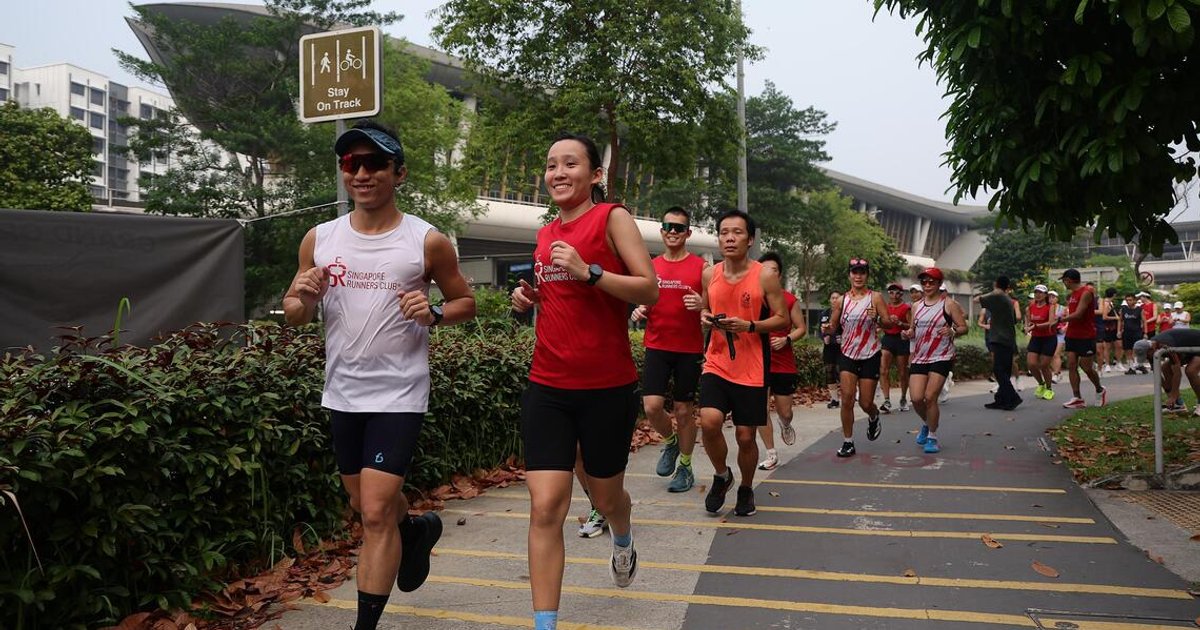
Poor air quality has forced running clubs and event organisers across Singapore to shorten routes, alter timetables, or cancel training sessions entirely for safety. On Oct 17, the Singapore Runners Club redirected its morning exercise from VivoCity on the southern coast to Canberra in the north, pursuing marginal improvements in hourly PM2.5 readings. Medical professionals cite immediate respiratory degradation under these conditions, warning that haze inflames airways, restricts oxygen exchange, and elevates cardiovascular risks during strenuous physical exertion. For amateur athletes such as Jileen Tan, who is training toward a personal best race time, the atmospheric barrier introduces an intractable training deficit that indoor treadmills cannot easily simulate.
The Disrupted Ledger of Urban Endurance
Urban exercise is frequently treated as an autonomous personal investment, detached from primary resource production. In reality, metropolitan leisure depends entirely on the ecological stability of surrounding regional territories. The transboundary smoke that triggers national Pollutant Standards Index advisories originates from industrial-scale land clearing and agricultural burning across Indonesia, an environmental byproduct tied directly to commodity cultivation. While state authorities probe corporate entities and weigh potential cross-border prosecutions under statutory frameworks, the immediate metabolic cost is transferred directly downward onto urban residents.
Faced with hazardous particulates, runners increasingly retreat into air-conditioned commercial gyms, shopping malls, and modified indoor routines. Yet this substitution reveals a distinct physical and spatial limitation. Enclosed retail complexes and private fitness facilities charge substantial access premiums to supply filtered air, converting an elemental public good into a monetised utility. Even then, the compromise fails to replicate the physiological conditioning demanded by competitive long-distance events like the Marathon or regional fixtures such as the Standard Chartered Hong Kong marathon scheduled for 2027. The National Environment Agency issues technical advisories and updates PSI measurements, but monitoring apparatus cannot restore clean air once particulate concentrations cross safety thresholds.
Structural Inaction and Shared Atmospheric Costs
Transboundary smoke converts outdoor exercise from a public health asset into an unmanageable cardiovascular liability.
The recurring disruption exposes the limits of localised civic mitigation. Event organisers remain tethered to hourly readings, compelled to weigh liability against the sunk administrative capital of staging large-scale athletic gatherings. When organisers defer decisions until the final pre-dawn hours, logistical costs cascade across transport providers, safety personnel, and thousands of registered participants.
Civic resilience in Southeast Asia is routinely tested by seasonal agricultural burning, but moving a road group from VivoCity to Canberra represents tactical triage rather than a viable environmental equilibrium. Athletes can recalibrate heart rate monitors, and race committees can draft provisional cancellation clauses. Neither measure alters the underlying commercial calculus of slash-and-burn clearing in regional forestry concessions. Until transboundary environmental enforcement extracts a tangible commercial penalty from the operators responsible for the fires, the urban population continues to absorb the physical deficit.
Sources
Newsletter
Pacific Daily
A curated briefing from Thailand, Asia-Pacific and the world.