When pets become 'fur kids': What Asia-Pacific Halloween events reveal about urban life
A rising array of sophisticated pet-centric events, like doggie yoga and costume parades, signals a deeper transformation in how urban dwellers across the region relate to their animal companions.
SINGAPORE
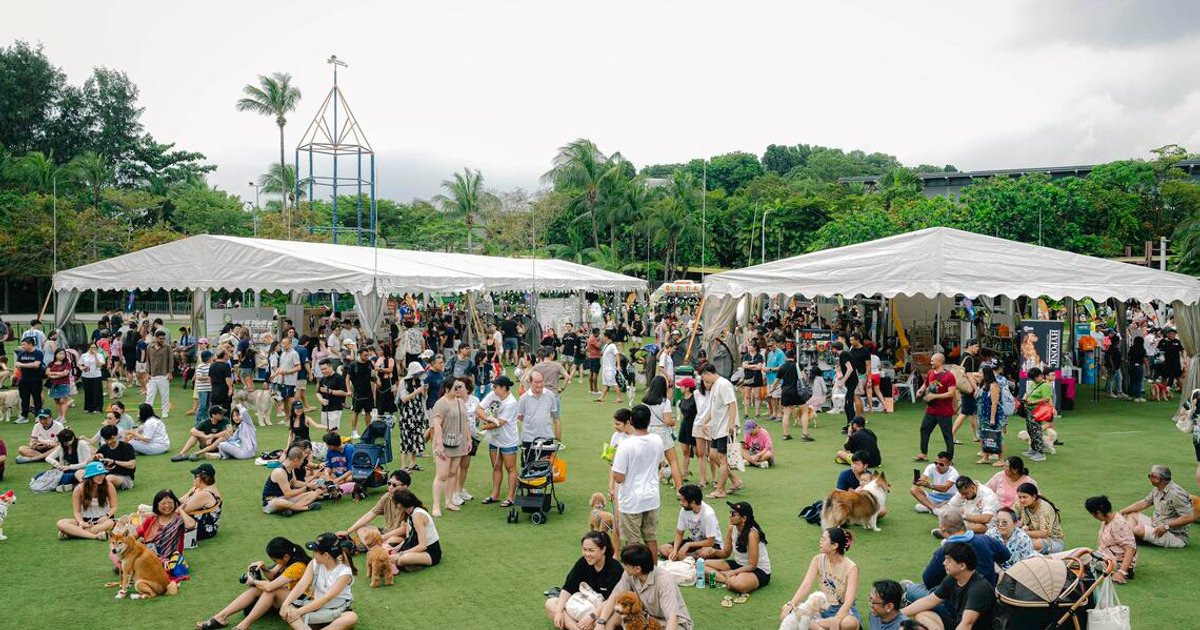
Amid Singapore's urban landscape, a scene unfolds where pets are more than mere animals. Canine companions in costumes navigate Halloween celebrations at venues such as Tiong Bahru Plaza and Changi Simei After Dark. These gatherings, offering activities from sensory play to dog-friendly yoga sessions at One Punggol, reflect a notable cultural evolution in how city residents engage with their pets.
Traditionally, a pet's role often involved basic companionship or utility. The advent of “pawrents” lavishing attention on “fur kids” points to a significant redefinition. Pets are not simply present in the home; they are integrated into social calendars, participating in public spectacles and festive occasions. This shift extends beyond fundamental care, showcasing a desire among owners to share experiences previously reserved for human family members. The appearance of KFC pet merchandise further illustrates the commercial recognition of this trend.
This phenomenon is not exclusive to Singapore. Reuters reported in June 2026 on pet owners in China who were spending on preschools for their puppies. Just two months later, Nikkei Asia noted the blend of affection and disorder within Australian puppy yoga sessions. While precise participation numbers for these events are not available, the variety and scale of offerings in Singapore, from Tiong Bahru Plaza’s Paw-lloween to the Singapore Dog Festival on Sentosa, indicate a substantial audience eager to engage in such activities.
For some observers, this degree of anthropomorphism might raise questions. The Straits Times Life on October 11, 2026, pointed to considerations regarding pet comfort, costumes, and stress levels during crowded events. Owners planning to attend these events are advised to check if their pets are at ease, ensuring the enjoyment for humans does not compromise the animal’s well-being. This suggests an inherent tension between the human impulse for shared experiences and the fundamental needs of the animal itself.
The growing visibility of pets in public and commercial life also reconfigures urban spaces. Parks, shopping centers, and community hubs adapt to welcome animal attendees, transforming into settings for shared human-animal recreation. This expansion into public life alters the urban fabric, fostering new forms of social interaction and community around pets. As Halloween festivities approach, the sight of animals in elaborate outfits across Singapore’s public areas is not just a fleeting seasonal display. It functions as a visible indicator of an evolving relationship between urban dwellers and their animal companions, hinting at a transformation in how cities are experienced and inhabited.
Sources
Newsletter
Pacific Daily
A curated briefing from Thailand, Asia-Pacific and the world.