Echoes of Assimilation: Native Resilience and Asia-Pacific Identities
An exhibition of Lenape art in New York City reveals a struggle for cultural continuity that resonates across regions grappling with historical suppression.
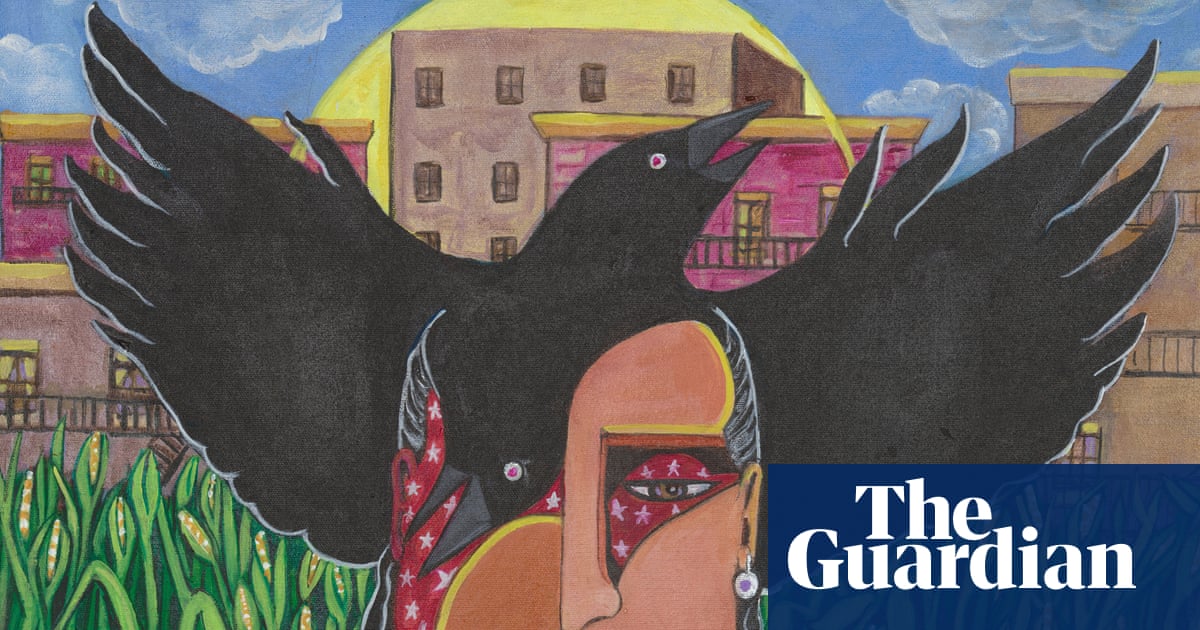
In a display at the Museum of the City of New York, an exhibition features Lenape paintings, traditional dress, and music. This presentation, as reported on 2026-09-30, showcases a vibrant and alive modern-day culture, prompting observers to consider how a group copes when its sacred land transforms into a bustling urban center. The context for this resilience dates back to the 19th century when the US government funded over 500 “Indian boarding schools.” These institutions aimed at forcibly assimilating Native American children into Western culture. Children were taken from their families, often by force, stripped of their original names, and taught to feel shame regarding their heritage and customs. Run like military academies, these schools mandated uniforms and imposed strict regulations.
This historical pattern of cultural suppression, though geographically distant, evokes a familiar tension present in parts of Southeast Asia. Across the region, established customs and traditional ways of life often face pressure from external forces, whether historical colonial impositions or contemporary development drives. The exhibition’s focus on the Lenape’s enduring cultural presence challenges a widespread assumption that such traditions fade into history under sustained pressure. Instead, it suggests a dynamic process where cultural forms adapt and reassert themselves. The act of publicly exhibiting traditional art and music in a modern setting serves not as a static historical record but as a declaration of ongoing identity. It highlights the enduring power of cultural expression to assert presence and connection to heritage, even when the physical landscape undergoes radical change.
The historical mechanisms used against Native American cultures—the forced removal of children, the erasure of language and names, the instillation of shame—are potent tools of assimilation. Similar patterns have been observed in various contexts across Asia, particularly during periods of nation-building or under dominant cultural hegemonies where minority or indigenous practices were devalued or suppressed. The Lenape exhibit, by presenting a culture as ‘vibrant and alive,’ directly confronts the narrative that such practices are relics of the past. It offers a counter-narrative of persistence and adaptation, where tradition is not merely preserved but actively lived and evolved.
Yet, the very need for such an exhibition points to the persistent fragility of these cultural forms. While the exhibit celebrates resilience, it simultaneously acknowledges the historical trauma and the ongoing effort required to maintain cultural distinctiveness in a world that often demands homogenization. This tension — between the celebration of survival and the underlying history of suppression — shapes perceptions of heritage. The question is not whether a culture can survive profound disruption, but what forms that survival takes and what stories it tells about the broader human impulse to belong and to remember. The Lenape's modern-day expression, showcased far from their ancestral lands, suggests that culture can be both a rooted experience and a portable declaration of identity, capable of thriving even when the ground beneath it has shifted irrevocably.
Sources
Newsletter
Pacific Daily
A curated briefing from Thailand, Asia-Pacific and the world.