The Silent Stage: A Shift in Performance and Protest in Asia-Pacific
When pop music meets public conscience, the choices made by artists echo beyond the concert hall, shaping a new landscape of cultural engagement.
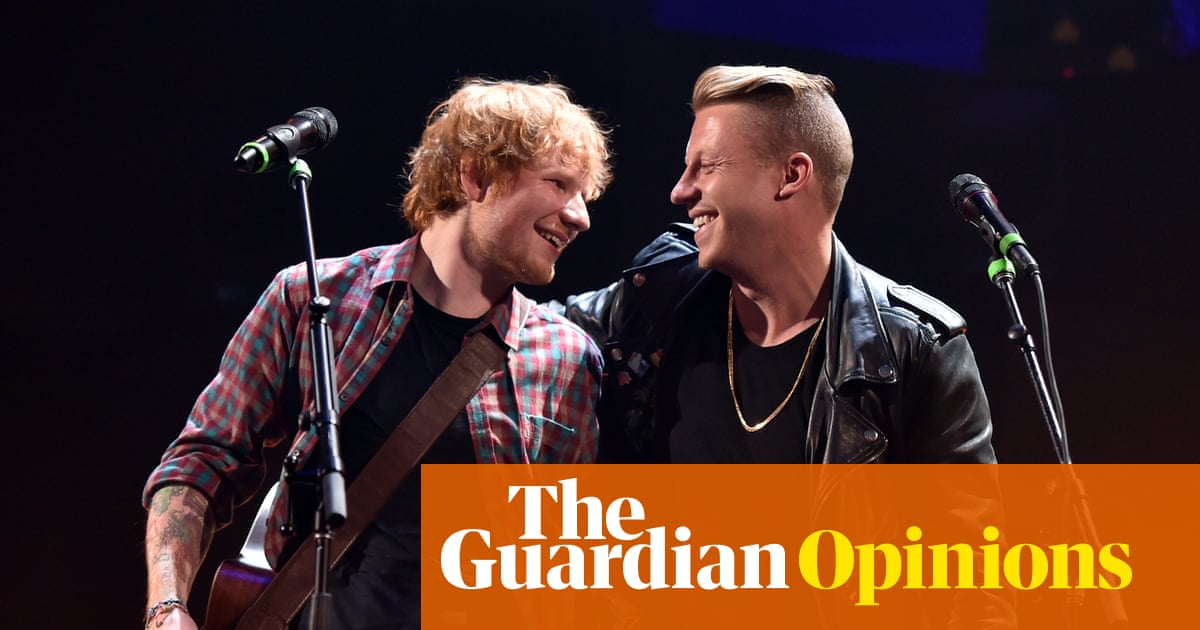
The stage, traditionally a space for performance, is increasingly becoming a ground for public declaration, with artists navigating the complex currents of global politics. The recent events surrounding Ed Sheeran’s US stadium tour, initially reported on September 16, 2026, offer a striking illustration of this evolving dynamic, one that carries particular weight in the Asia-Pacific region.
Macklemore, a scheduled support act, was removed from the tour after making pro-Palestinian comments. This action prompted a decisive response from other musicians: Finneas, Lukas Graham, Aaron Rowe, and Sheeran’s backing band, Beoga, all withdrew their participation. This collective departure, noted by the BBC and The Guardian on September 15 and 16, 2026, demonstrated a distinct stance against what they perceived as a suppression of speech. Ed Sheeran, in his own statement, defended an apolitical position, arguing for “different approaches to being an advocate for change.” Macklemore, for his part, pledged his reported $1 million tour salary to Palestine, as reported by The Guardian on September 16, 2026.
This incident is not merely about a pop tour; it reflects a broader cultural shift. In the Asia-Pacific, where artistic expression often operates under different regulatory and social pressures, the reverberations of such a principled stand are significant. For years, the expectation for many international artists touring this region has been a careful neutrality, an unspoken agreement to avoid local or contentious global issues. The reasoning is pragmatic: maintain access, ensure commercial viability. Yet, the actions of these musicians — who collectively decided that creating inconvenience was necessary to express solidarity — challenge this established norm. Their withdrawal implies that commercial relationships, even with a figure of Sheeran’s stature, can be secondary to an ethical position. This behavior, of artists actively choosing to sacrifice opportunity for a declared principle, marks a change in how public figures define their role, moving beyond mere entertainment.
Indeed, some might argue that such public displays risk alienating broader audiences, suggesting that political statements can overshadow artistic merit. There is a commercially compelling argument for maintaining neutrality, especially in diverse markets like those across Southeast Asia, where sensitivities vary widely. Staying silent, in this view, is a strategic choice to maximize reach and avoid controversy. However, the collective action seen in the Sheeran tour case suggests an emerging counter-narrative: that a principled stand, even if costly, can solidify an artist’s identity and resonate deeply with segments of an audience that value authenticity and social engagement over mere escapism. The response from fellow musicians was not just individual, but a synchronized withdrawal, signaling a collective understanding of the stakes involved. This, more than any single statement, speaks to a maturing cultural consciousness among artists.
The choice facing artists in the Asia-Pacific is becoming less about whether to engage with public issues, and more about how. The stage, whether physical or digital, is no longer a detached arena. When artists like Finneas or Lukas Graham step away from a major tour, they signal a path where silence, once a strategic comfort, may now carry its own weight of complicity. The habit that changed first, it seems, is the acceptance of an assumed quietude.
Sources
Newsletter
Pacific Daily
A curated briefing from Thailand, Asia-Pacific and the world.