The Comedy Stage in Flux: Echoes in Southeast Asia
Observations on British panel show comedy offer a perspective on how humor's evolving boundaries and societal role resonate across the varied cultural landscapes of Southeast Asia, including Thailand.
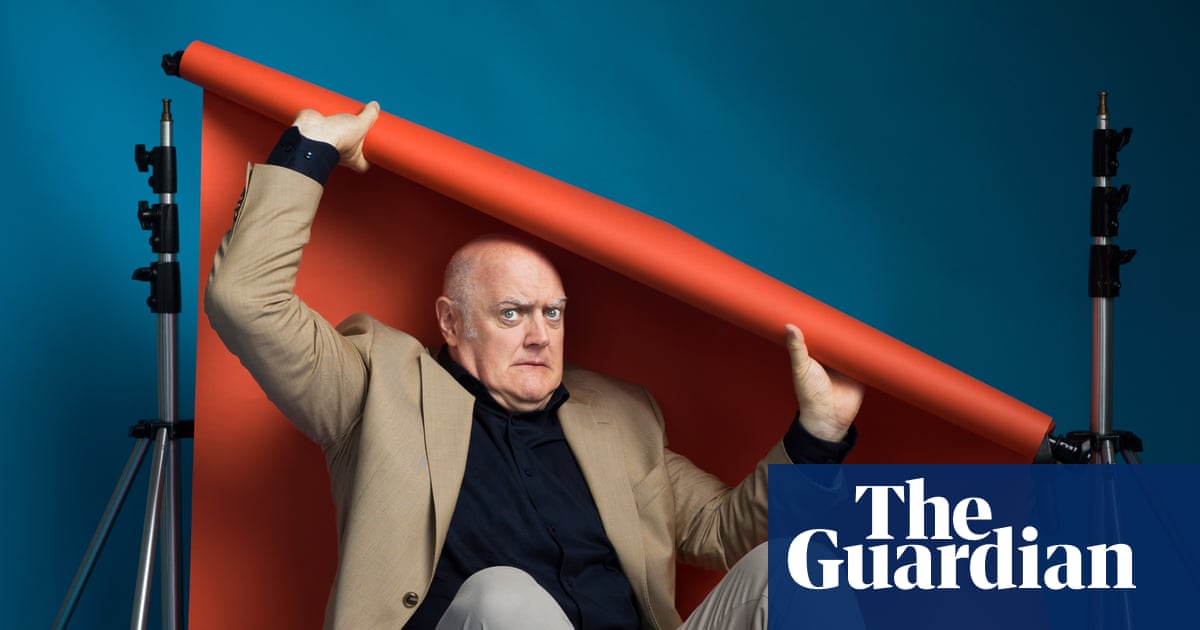
Dara Ó Briain, identified as the host of the panel show Mock the Week for over two decades, reflected on the show’s past as a “macho bear pit.” This description, made as the program returns to UK screens, suggests a shift in the nature of comedic performance and its reception in a Western context. His mention of a “dearth of jokes about Brexit” and the stated importance of ‘punching up’ in comedy imply a changing awareness regarding comedy’s social function and the influences shaping contemporary humor.
The evolution Ó Briain discusses, from a confrontational style to one seemingly more considerate of its targets, hints at a broader cultural re-evaluation. Where comedy may once have thrived on unrestrained provocation, there now appears to be an expectation for greater precision. This is not necessarily about suppressing expression, but about recognizing the impact of language and the power dynamics inherent in public platforms. The relevant question, then, is how such cultural shifts, particularly concerning humor and its perceived limits, manifest or transform within the distinct social environments of Southeast Asia.
Consider the region's diverse approaches to public expression. In some areas, the demarcation between satire and offense can be particularly subtle, with consequences for those who misjudge it. Just as Ó Briain noted the absence of specific topics in UK comedy, so too do local contexts often dictate what can or cannot be publicly joked about. The principle of ‘punching up’—directing humor at power rather than vulnerability—is not uniformly adopted, nor is its definition consistently applied. The underlying cultural habit that changed in the UK, a public acknowledgment of comedy's potential for harm when misdirected, is a complex idea to apply across varied cultural sensibilities.
For comedians and cultural commentators in places like Thailand, the challenge lies in navigating these evolving dynamics. While a “macho bear pit” might seem distant from the more nuanced comedic traditions often found in the Asia-Pacific, the tension between free expression and social responsibility is a common thread. Pressures to avoid certain subjects, or to frame humor in a particular way, can arise from both audience expectations and external forces. The notion that comedy should be precise, and its targets carefully selected, represents a cultural habit that moves with differing speeds and forms across various cultural currents. The studio in west London, where Ó Briain was photographed and playfully suggested feeling 'trapped in a box,' offers a metaphorical echo of these broader constraints on expression, even if their origins and implications differ profoundly.
Sources
Newsletter
Pacific Daily
A curated briefing from Thailand, Asia-Pacific and the world.