New Los Angeles Museum Tests Asia-Pacific Art Strategy
The Lucas Museum of Narrative Art, opening in 2026, presents a model for engagement that challenges traditional regional approaches to cultural institutions.
SINGAPORE
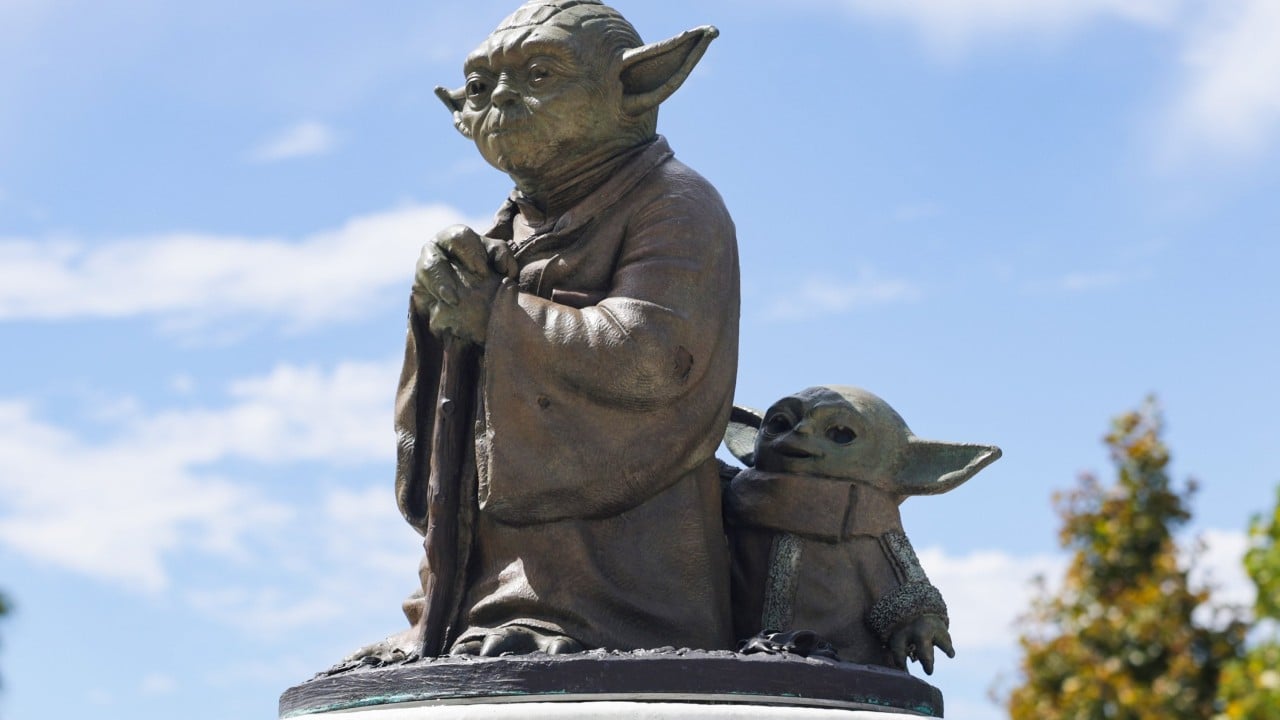
The Lucas Museum of Narrative Art in Los Angeles, scheduled to open in 2026, is positioning itself as a significant cultural destination. George Lucas and Mellody Hobson, founders of the institution, describe it as an “experience” spanning 300,000 sq ft (27,000 sq metres) indoors and 11 acres (4.5 hectares) of park space. With over 1,300 works, the museum aims to engage visitors with a diverse collection, from “Star Wars to Banksy.” This scale and stated ambition invite examination of its potential impact, particularly for cultural institutions in the Asia-Pacific region.
Traditionally, major museums in the Asia-Pacific often focus on national heritage or specific artistic movements. The Lucas Museum, by contrast, emphasizes narrative art broadly, incorporating popular culture alongside more established forms. This broad curatorial approach, highlighted in reports from SCMP Lifestyle and AP News detailing “must-see” attractions, suggests a strategy designed to attract a wide audience, including those not typically drawn to conventional art spaces. The 90-foot (27.4 metre) oculus in the entrance plaza, for example, is described as making visitors feel "like a speck in the galaxy,” an observation that points to an intentional focus on visitor immersion rather than purely academic presentation.
For the Asia-Pacific, where the expatriate community often seeks cultural experiences that blend familiar elements with local context, this approach carries implications. An expatriate’s cultural month might not be changed by an exhibition of ancient artifacts alone. Instead, a museum that consciously integrates diverse narratives—even those from Hollywood or street art—could offer a more immediate connection. This is not to say that the region lacks ambitious cultural projects; the BBC listed the Lucas Museum among the "six most anticipated museum openings of 2026," demonstrating global interest in such large-scale initiatives. However, the model of an “experience” rather than solely a repository of art presents a different challenge to existing regional museums.
One counterargument suggests that the Lucas Museum's model, rooted in a specific American pop culture legacy, may not translate directly to the diverse cultural landscapes of the Asia-Pacific. Local institutions have their own unique narratives and historical contexts to draw upon. The Seattle Asian Museum, for instance, which moved to a new location in 2008, established its identity by focusing on its specific regional remit. This demonstrates that deep regional focus can also be a successful strategy. The Lucas Museum’s emphasis on popular narratives, however, raises the question of whether a similar broad-appeal strategy could increase engagement within Asia-Pacific expatriate communities, who often navigate multiple cultural frames.
What this development suggests is a shift in how large-scale cultural institutions might define their purpose. The outcome for Asia-Pacific museums now depends on how they adapt, or choose not to adapt, to models that prioritize broad engagement and narrative diversity. The question remains whether the region's institutions will continue to foreground traditional definitions of art and heritage, or if they will integrate a broader spectrum of storytelling to appeal to an increasingly globalized audience, particularly those residing away from their home cultures.
Sources
Newsletter
Pacific Daily
A curated briefing from Thailand, Asia-Pacific and the world.