Scotland’s Craftsmanship Finds an Unexpected Stage in Asia
The rising visibility of Scottish luxury jewellery in Asian lifestyle narratives points to a deeper cultural exchange than commercial ambition alone.
SINGAPORE
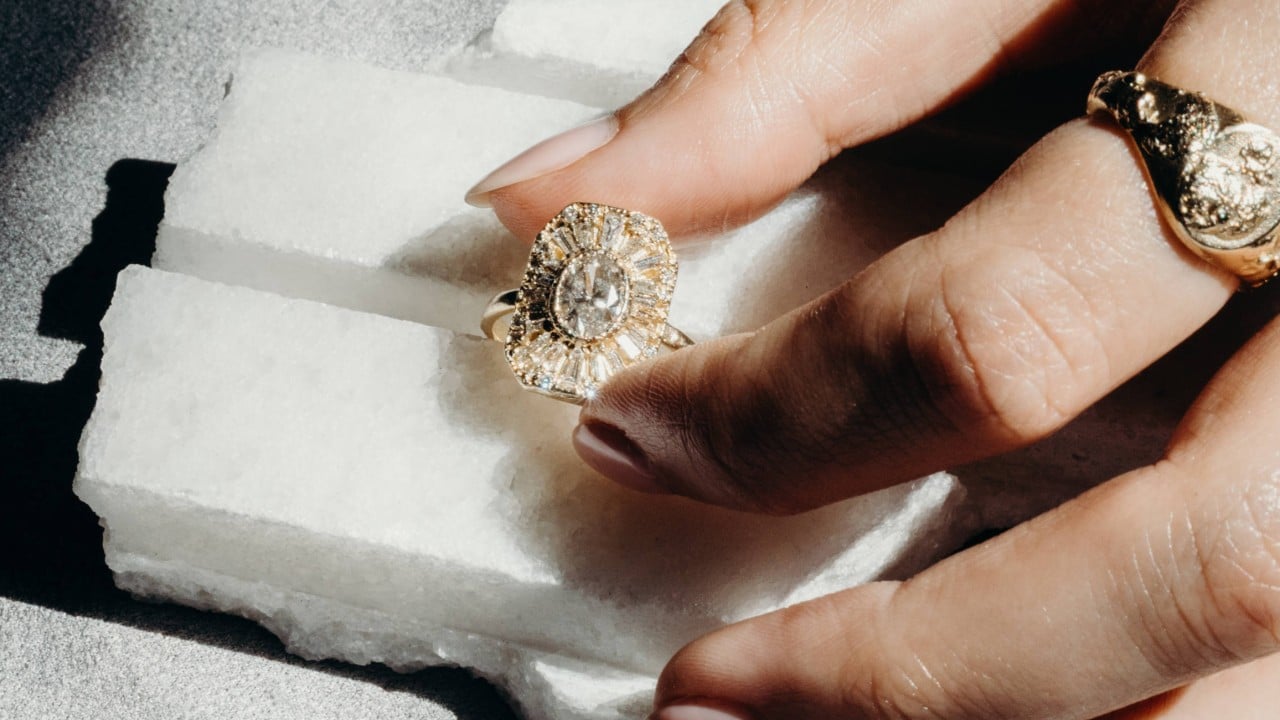
The report that Scotland is becoming a growing centre for contemporary luxury jewellery, with designers drawing on local cultural and natural influences, suggests an evolving dynamic in how craftsmanship is perceived and marketed globally. This observation, emerging from lifestyle reporting that highlights "Scotland’s jewellery allure" and “seven Lifestyle highlights,” does not merely catalog a trend. Instead, it offers a lens into what audiences in Asia are increasingly receptive to, and how regions outside traditional luxury hubs are finding new cultural relevance.
Historically, Asian markets have often been associated with the consumption of established European luxury brands, frequently from Paris or Milan, or more recently, a burgeoning local high-end scene. The spotlight on Scottish jewellery—a less conventional entry in the luxury conversation—reflects a subtle but significant shift. It indicates an appetite for narratives rooted in specific cultural identities and regional distinctions, rather than a generic notion of 'luxury.' The evidence from SCMP Lifestyle in August 2026, which groups this topic with Hong Kong food’s “gourmet moment,” implies a shared underlying interest in authenticity and provenance, qualities that resonate beyond mere material value.
One might argue that this is simply an expansion of market reach, driven by commercial interests akin to how e-cigarette brands once "eyed Asia" (CNBC, 2018). Such a view holds that this is an opportunistic move, leveraging newfound attention to cultivate new consumer bases. Indeed, the mention of “luxury” within the description of Scottish jewellery development suggests a clear economic intent. However, this interpretation might overlook the nuance of how cultural products gain traction. If it were purely commercial, the focus would likely be on broader marketing initiatives rather than the specific artistic influences of "cultural and natural influences." The East Asia Forum's 2024 discussion on "what European regions want from Asia" hints at a two-way street, where Asian markets are not just passive recipients, but active participants in shaping these exchanges.
The engagement with Scottish craftsmanship, therefore, appears to be less about a direct commercial pipeline and more about the cultural signals being sent and received. It suggests that Asian consumers, particularly within the lifestyle segment, are increasingly looking for stories and identities that challenge established definitions of luxury. This trend does not necessarily translate into immediate mass market penetration, but it does signify a shift in aesthetic appreciation and cultural valuation. It points to a future where regional crafts, even from places far removed geographically and culturally from the Asia-Pacific, can find resonance by emphasizing their unique heritage, rather than just their price tag. The enduring interest in distinct cultural forms, from pipes marking VJ Day (BBC, 2025) to hanfu designs, highlights a broader pattern: cultural specificity, when presented thoughtfully, can transcend geographical boundaries and create new avenues for appreciation and exchange within the Asia-Pacific.
Sources
Newsletter
Pacific Daily
A curated briefing from Thailand, Asia-Pacific and the world.