Residential Gardens as Urban Infrastructure
Australia's Landscape Awards challenge the perception of private green spaces, suggesting their role in climate resilience and public ecology extends beyond property lines. This re-evaluation holds implications for urban planning in rapidly developing Asian cities.
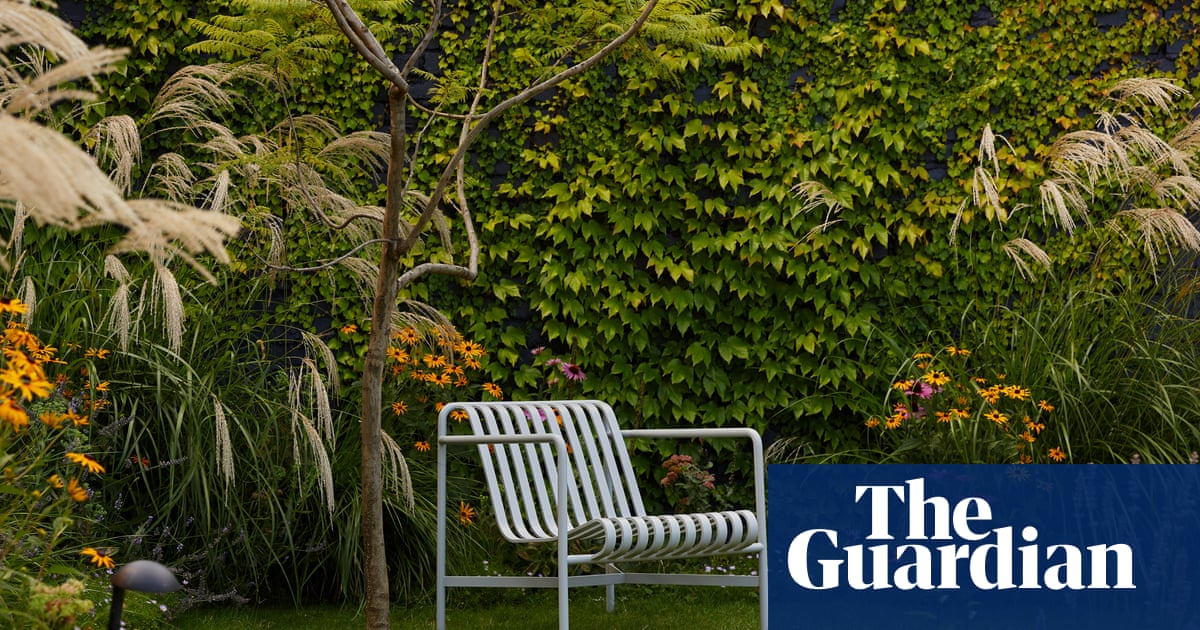
The inaugural Landscape Australia awards shortlist, announced on October 3, 2026, recognizes 20 residential garden projects. Jury chair Emily Wong stated these designs respond to urgent issues like the climate crisis, fire and flood resilience, and the loss of biodiversity. Wong’s framing shifts the understanding of private gardens, stating they are ‘part of a larger living commons that supports different ecologies and also … the future of Australian cities’.
This perspective redefines the function of residential green spaces. Gardens are typically viewed as private amenities, primarily serving the aesthetic or recreational needs of homeowners. However, Wong highlights that private gardens occupy a significant portion of urban land in Australia. Their collective design therefore becomes a ‘contribution to shared infrastructure’.
This statement implies that the benefits, or failures, of individual plots extend to the wider urban environment. They influence climate regulation, stormwater management, and habitat provision across a city. The emphasis on design as an infrastructure contribution raises questions for urban development in the Asia-Pacific.
Cities like Bangkok or Manila, facing similar climate pressures and rapid expansion, often prioritize vertical growth and impervious surfaces. Green space, especially private residential plots, is frequently seen as a luxury or a developable asset. It is rarely considered a critical component of urban resilience. The Australian awards acknowledge gardens on rooftops and working cattle farms. This demonstrates a range of responses to specific environmental conditions. This breadth of application suggests that diverse land uses can contribute to a larger ecological network, provided the design intentionally addresses broader environmental challenges.
Considering a garden as infrastructure necessitates a shift in how its value is measured. It moves beyond property enhancement to include public good. A residential garden designed for fire resilience or enhanced biodiversity, as cited by Wong, offers benefits that extend beyond the homeowner. It contributes to a city’s overall capacity to withstand environmental shocks. It also supports regional ecological health. This contrasts with traditional views where a garden’s value is primarily assessed by its impact on property values or personal enjoyment.
This re-conceptualization, however, faces practical constraints. Public policy and land-use regulations across the Asia-Pacific seldom incentivize private landowners to manage their gardens for collective ecological benefits. Designing for ‘shared infrastructure’ would require integrating private land management with city-wide environmental strategies. Without such frameworks, the concept remains largely theoretical, dependent on individual initiative. The Australian awards recognize existing innovative projects, but systemic change would necessitate a more formalized approach to how private green spaces are valued and integrated into urban planning.
This recognition signals an evolving understanding of urban greening. It points to a future where the design of even the smallest private garden is considered for its impact on a city’s collective ecological health. Such an approach could inform urban policies, encouraging an integrated strategy to green space planning in congested Asian cities. This would move beyond public parks to encompass the cumulative effect of individual plots.
Sources
Newsletter
Pacific Daily
A curated briefing from Thailand, Asia-Pacific and the world.