When Spectacle Overcomes the Air It Breathes
Tens of thousands assemble beneath Singapore's acrid skies, proving that regional devotion easily outlasts environmental caution.
SINGAPORE
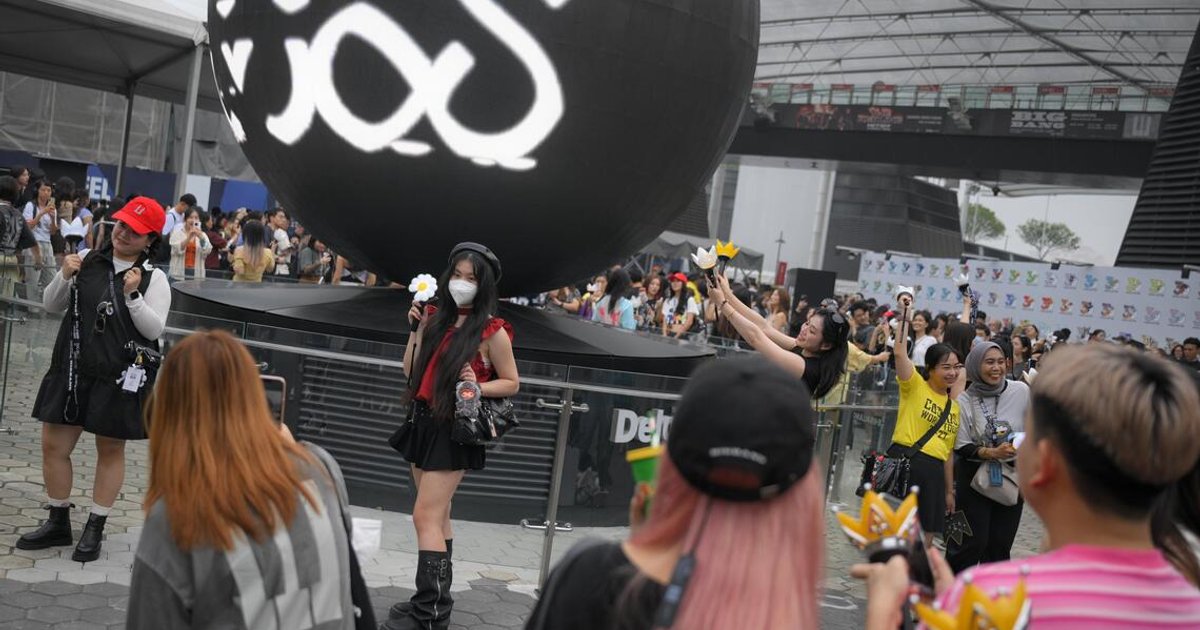
Mass gathering in urban spaces has long relied on clear thresholds between domestic shelter and public air, an unwritten civic understanding that community life retreats indoors when seasonal fires alter the sky. In earlier seasons, persistent smoke haze prompted cancellations, quiet streets, and widespread public health advisories urging residents to seal their windows. That defensive urban ritual suspended itself on Oct 17 outside Stadium MRT station and across Singapore’s National Stadium. There, tens of thousands gathered for BigBang’s XX: Cosmos world tour, largely unbothered by either torrential downpours or the toxic pall settled over the city.
The K-pop group, performing as G-Dragon, Taeyang and Daesung, returned to the touring circuit after nine years away, marking a 20th anniversary that drew crowds from Beijing and across Indonesia. National Environment Agency monitors registered Pollutant Standards Index readings between 129 and 196 alongside PM2.5 levels ranging from 101 to 199, figures that place the atmosphere squarely within the unhealthy range. Most concertgoers declined to wear protective face masks, standing in lines that snaked along wet concrete perimeter walkways.
"I came from Samarinda in East Kalimantan, where the fires are, but I am really surprised that it is hazier in Singapore,"
remarked Emily, an attendee who had travelled from East Kalimantan only to encounter the very smoke associated with burning lands back home.
The Transnational Contract of Fandom
What is preserved here is the communal tenacity of early K-pop devotion, yet what is quietly being replaced is the basic instinct toward collective bodily caution. The sheer difficulty of securing an arena seat after a nine-year absence creates a sunk cost that overrides municipal air indices. Cross-border movement has resumed with an intensity that treats atmospheric hazards as minor inconveniences.
Devotion at this generational scale operates under a distinct contractual logic. For years, major world tours were sporadic, fragile undertakings whose dates required complex coordination across distant cities. The return of an influential pop fixture after near-total absence carries an aura of unrepeatable scarcity. When audiences commit disposable income, flight tickets, and hotel reservations months in advance, an elevated particulate reading cannot easily compete with the rare presence of surviving band members on stage.
Atmospheric Realities and Public Denial
There is, naturally, a rational counter-position to this view. Supporters might point out that modern stadium infrastructure provides structural protection, that evening temperatures reduce immediate physical strain, and that young, healthy populations can tolerate brief spikes in atmospheric particulate matter without acute distress. Devotion to shared youth memories is an authentic emotional good, and dismissive criticism from civic observers often ignores how rarely such cultural reunions take place.
Yet that rationale strains against the physical reality recorded by official monitors. Chronic exposure across the region stems precisely from this normalization of polluted baselines, where collective life refuses to pause simply because the air has turned acidic. If an unhealthy PSI range cannot deter unmasked assemblies of tens of thousands, environmental thresholds cease to function as meaningful public safeguards. The performance continues inside, leaving the air outside the stadium heavy, grey, and ignored.
Sources
Newsletter
Pacific Daily
A curated briefing from Thailand, Asia-Pacific and the world.