Formula 1 Spectacle: The Commercial Racetrack Beyond the Grand Prix
While Singapore leverages Formula 1's expanding commercial footprint for regional tourism, Thailand faces a distinct challenge in converting its significant fan engagement into local economic value.
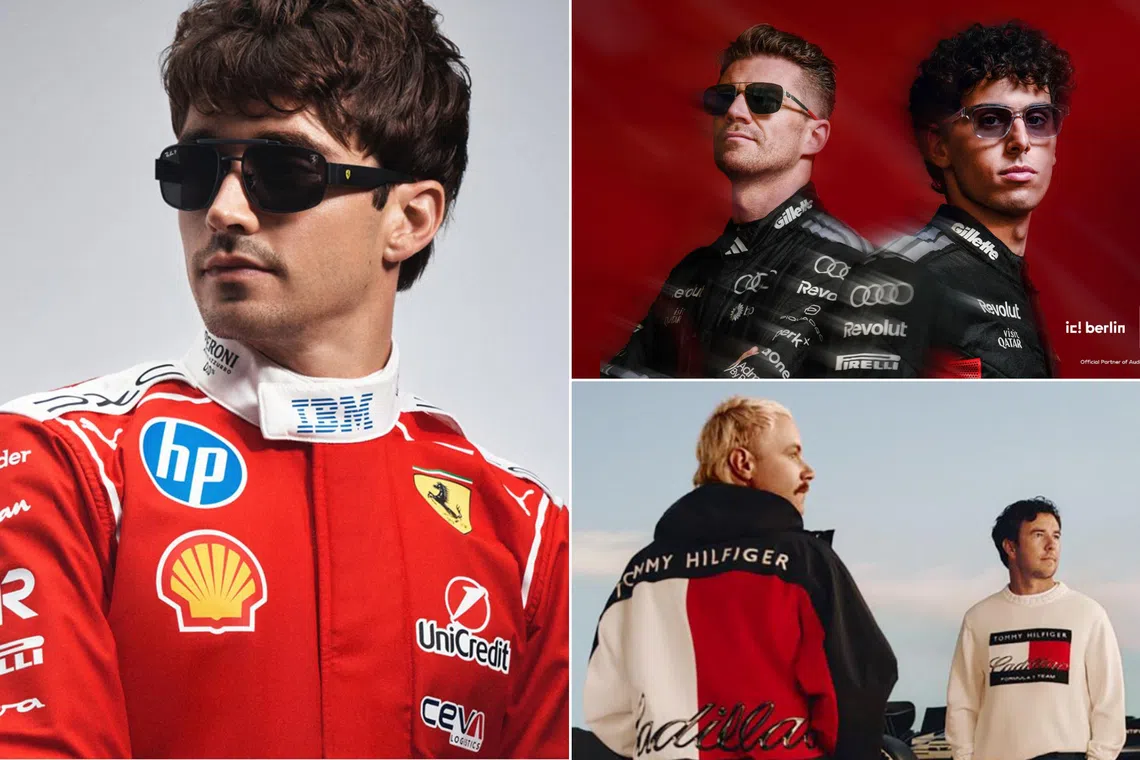
SINGAPORE
The appearance of Formula 1 drivers Charles Leclerc, Sergio Perez, and Zhou Guanyu at various pop-up events in Singapore this October, specifically at Ray-Ban’s Beyond The Track and the Tommy Hilfiger x Cadillac Formula 1 activations, signals a strategic expansion of how major sporting events are commercialized. These appearances, reported by The Straits Times Life on October 1, 2026, extend the Grand Prix experience beyond the race circuit. Drivers become conduits for brand engagement, transforming the event into a broader platform for consumer interaction.
This phenomenon moves beyond simple sponsorship agreements. It reflects an active cultivation of fan culture through opportunities for direct access, even if brief. Leclerc's presence at Clarke Quay on October 7 and the Tommy Hilfiger x Cadillac pop-up at Paragon on October 8, featuring Perez, Guanyu, and Thai stars Fourth Nattawat and Pond Naravit, illustrate this approach. Attendees are invited to interact with F1-related eyewear and apparel, including Fanwear and Replica collections. Such activations aim to deepen brand loyalty and foster micro-economies around celebrity endorsement, distinct from the primary race but benefiting directly from its broader appeal.
For a country like Thailand, the implications are substantial, yet complex. Singapore has effectively positioned itself as a regional hub for high-profile events, a strategy that demonstrably boosts tourism across the island and other parts of Asia-Pacific, as reported by CNBC on October 2, 2025. Thailand’s engagement with this global spectacle economy remains less defined. The presence of Thai stars at the Singaporean pop-up acknowledges Thailand's considerable fan base and consumer market for motorsport merchandise. This creates a tension: while the F1 spectacle engages Thai consumers, the direct economic benefit from hosting these ancillary events primarily accrues elsewhere.
Thailand's challenge is to translate this demonstrated consumer interest into tangible economic value within its own borders. The demand for direct fan engagement is evident, as suggested by promotional offers involving F1 figures. However, attracting and hosting these commercial extensions requires developed infrastructure, clear regulatory frameworks, and a strategic approach to intellectual property and commercial partnerships. The current pattern sees Thai celebrities drawing crowds to Singaporean events, rather than stimulating similar economic activity in Bangkok or other Thai cities. The question is not about the enthusiasm of the Thai fan base, but rather Thailand's capacity to host the commercial offshoots of global sports spectacles that currently tend to gravitate towards established regional centers.
Hosting the Grand Prix itself represents one ambition; capturing the wider economic spillover from the F1 ecosystem, which includes these brand-led pop-ups, is another. The existing evidence suggests that while the regional impact of the race is recognized, the direct commercial benefits of these adjacent activations are geographically concentrated. Thailand’s task is to navigate this landscape, discerning how to participate not solely as a source of fans and celebrity endorsers, but as a destination for the growing commercial dimension surrounding Formula 1.
Sources
Newsletter
Pacific Daily
A curated briefing from Thailand, Asia-Pacific and the world.