Beyond the Preference: Gen Z's Commercial Agency
The emergence of multi-label retail in Asia-Pacific suggests a shift from consumer preference to active shaping of commerce within this generation.
SINGAPORE
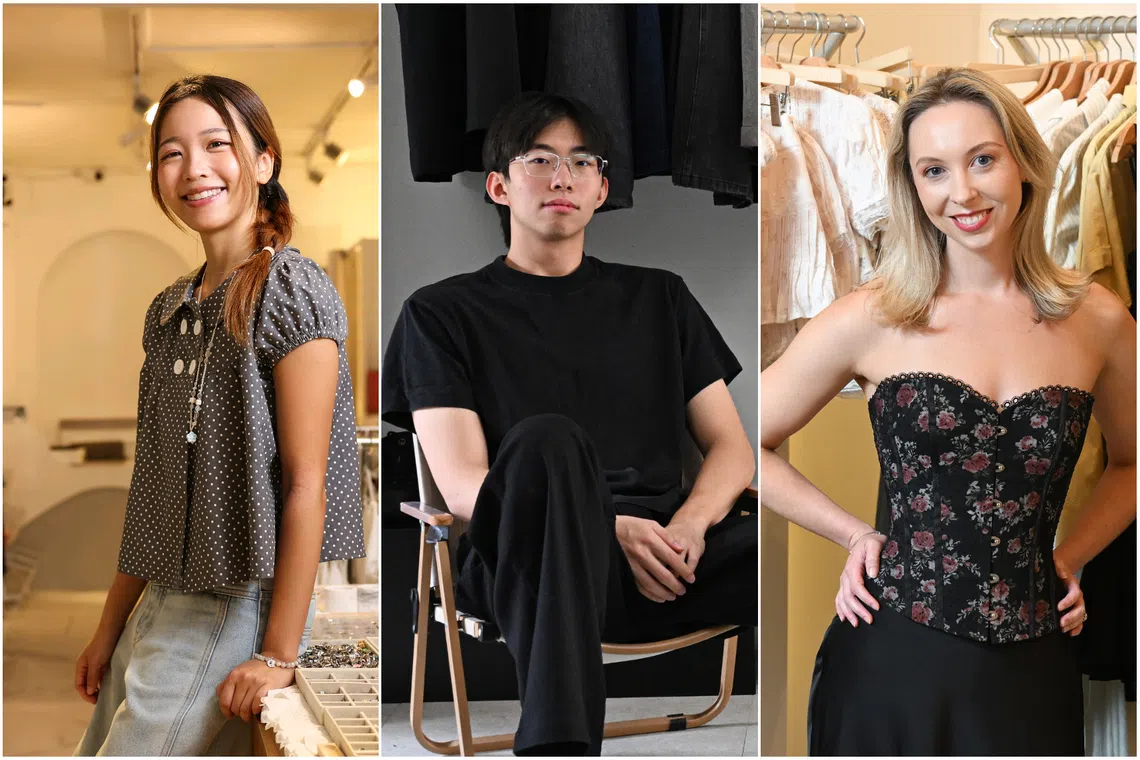
A common observation in retail analysis highlights the Gen Z shopper's preference for discovery over brand loyalty. This preference is frequently framed as a consumer trend, suitable for marketing departments. However, recent developments suggest this characterization may be incomplete. In Singapore, for instance, a growing class of entrepreneurs from Gen Z are starting or pivoting to boutiques anchored by a selection of small international labels. These are not merely new outlets responding to existing demand, but active shapers of supply.
These multi-label stores, specifically named Incoleur, Uno Collectives, and With Love, offer curated, small-batch regional fashion brands. Their appeal stems from a blend of vintage, indie labels, and sustainable fashion, attracting diverse tastes and supporting emerging Southeast Asian designers. The Straits Times Life reported this phenomenon in August 2026, noting that these spaces also function as community hubs, combining fashion with music, events, and cultural connections. This transition from pure transaction to communal experience marks a departure from established retail models.
The implications extend beyond commerce alone. When a generation moves from expressing preferences through purchases to building platforms that curate and define commercial offerings, it indicates a more fundamental engagement with economic structures. This entrepreneurial turn suggests an intent to shape markets, rather than merely react to them. Such active participation in the creation of commercial ecosystems stands in contrast to the passive consumer role often ascribed to younger demographics.
Indeed, the focus on 'Gen Z rage' in other contexts, such as India where The Japan Times and CNBC reported the generation's political influence testing leadership in July 2026, or Nepal where Reuters reported arrests during Gen Z protests in March 2026, frequently centers on their capacity for dissent. While this political activism is notable, it obscures another form of agency: the reshaping of commerce itself. The entrepreneurial impulse observed in Southeast Asian retail is not a passive reflection of consumer taste; it is an active construction of new commercial and cultural pathways. The question is not whether Gen Z prefers discovery, but what they intend to discover by building their own stores.
Sources
Newsletter
Pacific Daily
A curated briefing from Thailand, Asia-Pacific and the world.