Singapore's design ambition and the invisible lives it shapes
The President’s Design Award at 20 reveals a nation crafting its image, often without acknowledging the unseen social infrastructure that makes its celebrated designs possible.
SINGAPORE
The public square, meticulously planned and dotted with sculptural benches, offers a snapshot of urban aspiration. Children chase pigeons, adults scroll through phones, and the air hums with a cultivated calm. It is a scene of precise design, a tangible outcome of national investment and meticulous attention to detail. This is the Singapore that the President’s Design Award, celebrating its 20th anniversary, consistently highlights.
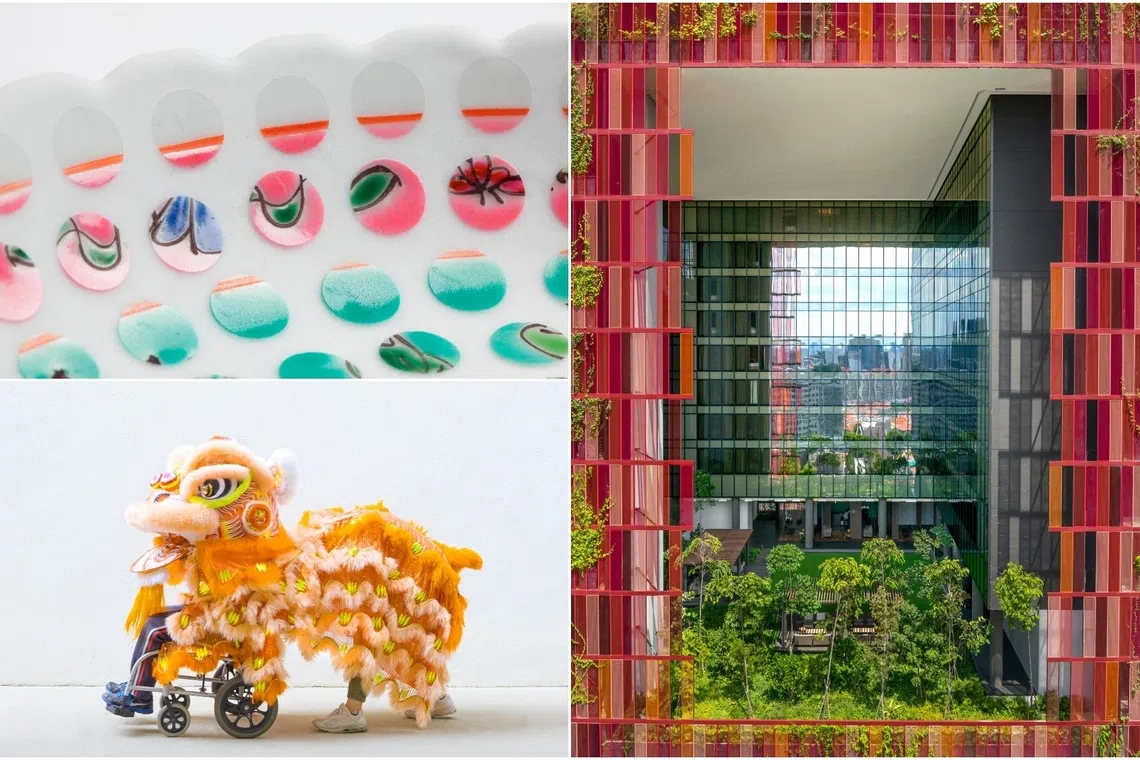
Since 2006, the Award has recognized outstanding Singaporean designs and designers across various fields. The ‘highest honour’ designation, conferred by the President of Singapore, signals the weight placed on this craft. Past winners like The Pinnacle@Duxton demonstrate an intent to shape not just buildings, but vertical communities. More recent accolades for CapitaSpring and PCF Sparkletots @ Punggol Shore further underscore a trajectory towards sustainability, community focus, and inclusivity in design. These are visible markers of a society actively engaging with its physical form and declared values.
Yet, a crucial element often remains in the periphery: the network of migrant labour and essential services that underpins such urban perfection. When considering ‘innovation in designing for Singapore’s unique context,’ as the source summary states, this context implicitly includes a reliance on workers whose presence is largely unacknowledged in celebratory narratives of design success. They build the award-winning structures, maintain the green spaces, and clean the public areas that enable these designs to function as intended. The smooth operation of a community-focused hub, for example, is as much a product of its maintenance staff as its architects. This vital, often invisible, social infrastructure is not typically foregrounded in design accolades, which focus instead on form, function, and aesthetic appeal.
This is not a uniquely Singaporean phenomenon. Across the Asia-Pacific, from the gleaming towers of Kuala Lumpur to the resort islands of Phuket, the pursuit of ‘world-class’ urban environments often rests on a similar foundation. Thailand, for instance, in its own bids for global recognition in tourism and urban development, also navigates this dynamic. The narratives surrounding new infrastructure or architectural marvels frequently celebrate innovation and local talent, while the contribution of a significant, often transnational, workforce remains an unstated prerequisite.
To consider these design achievements comprehensively requires looking beyond the celebrated object. It means acknowledging the full ecosystem of human effort involved in bringing a design from concept to lived reality. When design awards speak of ‘impactful projects,’ the impact on all who contribute to and inhabit these spaces – whether through their labour or daily use – merits consideration. The President’s Design Award has successfully showcased innovation within Singapore’s unique context, but the full scope of that context, particularly its human foundation, is a deeper and less visible truth. The polished surface of public space, while designed for all, conceals the hands that make its precision possible.
Sources
Newsletter
Pacific Daily
A curated briefing from Thailand, Asia-Pacific and the world.