Hollywood and the Illusion of the Wrestling Auteur
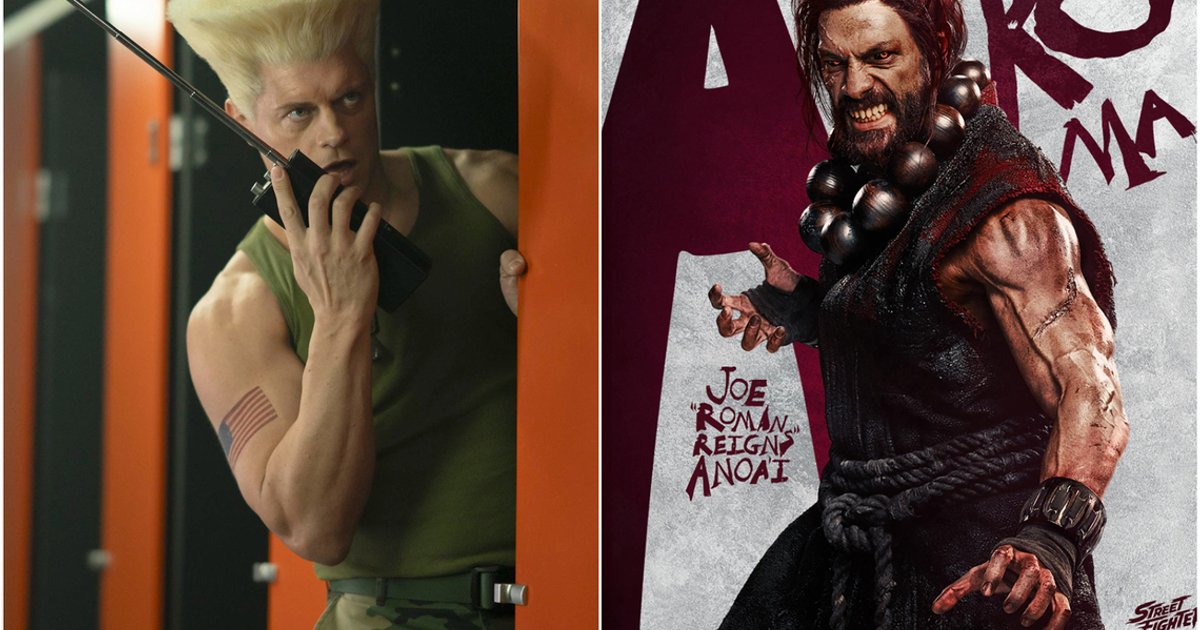
As Cody Rhodes and Roman Reigns step into the 2026 Street Fighter adaptation, franchise machinery has replaced the star-making power once commanded by physical charisma
SINGAPORE
At the Polo Lounge in Beverly Hills, trade is quietly bartered over linen tablecloths. Here, beneath California patio light, Cody Rhodes sat in a dark pinstripe suit on a Tuesday afternoon, neatly cutting his chicken Parmesan while courting the film industry. WWE performers have pursued studio approval across generations. On an earlier visit, staff presented latte foam decorated with his personal emblem, an American flag-themed skull with wings. This afternoon, however, the foam bore the wrestler and his Siberian husky. The conversion of ring combatants into cinematic properties is an enduring American ritual. Yet the ground beneath it has moved. Studio executives no longer search for singular physical presence to lead original stories, looking instead for recognizable figures to flesh out established corporate brands.
For two decades, professional wrestling operated as an incubator for physical showmanship. Dwayne Johnson broke through first. Relying on sheer athletic charisma, Johnson established a crossover template that bypassed traditional dramatic institutions, anchoring large-scale cinematic spectacles through individual force of personality. John Cena followed him, deftly bending an imposing physique toward deadpan comedy and self-aware parody. Both men entered an entertainment ecosystem where Hollywood still anchored broad-appeal releases around identifiable human stars. Now wrestlers-actors Cody Rhodes and Roman Reigns step toward cinema through the live-action Street Fighter adaptation scheduled for 2026. They face a different proposition.
The Avatar Replaces the Athlete
The test is straightforward. Can World Wrestling Entertainment still mint Hollywood stars, or has modern franchise filmmaking reduced physical performers to decorative avatars? In Street Fighter, character silhouette matters far more than personal mythology. By casting Rhodes and Reigns within this video game universe, producers are not acquiring the lived stagecraft of ring combat. They are securing recognizable bodies to inhabit corporate intellectual property. Screen charisma is subordinated to digital fidelity. Physical performers who once commanded arenas through unscripted improvisational heat now find their likenesses flattened onto promotional character posters.
Physical performers who once commanded arenas through unscripted improvisational heat now find their likenesses flattened onto promotional character posters.
Industry observers argue that adaptation offers modern performers their only dependable route onto international screens. Global distribution demands massive brand recognition, especially across the Asia-Pacific where Street Fighter commands enduring popularity alongside gaming audiences in China. Franchises offer built-in scale. Original dramatic vehicles simply cannot promise that kind of immediate global reach in the current theatrical market. For Rhodes and Reigns, stepping directly into an established gaming universe ensures an audience that personal wrestling followings alone cannot deliver.
The Price of Corporate Scale
Yet scale exacts a cost. When Dwayne Johnson left the ring, audiences bought tickets to watch Dwayne Johnson. With video game films, viewers arrive to see whether human tissue can match a digital blueprint. Ring performance was historically an art of athletic melodrama, cultivated through immediate crowd interaction and precise control over bodily presence. That theatrical craft relied on physical spontaneity. The performer owned the gestures, the vocal cadence, and the dramatic momentum that drew spectators into the ring.
That tradition does not easily survive translation into corporate intellectual property. Rhodes may sit comfortably in California dining rooms, receiving polite courtesies from studio executives and customized foam portraits from attentive waiters, but creative control remains with the copyright holder. If Street Fighter succeeds, studio executives will credit the underlying intellectual property rather than the wrestlers who wore the costumes. Should the project stumble, the actors shoulder the disappointment alone, while the gaming franchise simply waits for another production cycle. Charisma was once an asset an actor controlled; today it is merely rented to serve someone else's catalogue.
Sources
Newsletter
Pacific Daily
A curated briefing from Thailand, Asia-Pacific and the world.