Rui Takahashi's Coming Out: An Ongoing Test for Japanese Sports Inclusion
The volleyball player's public statement reflects a personal journey, but its broader impact on Japanese men's sports and societal acceptance remains to be fully seen, particularly for young men navigating their identities.
SINGAPORE
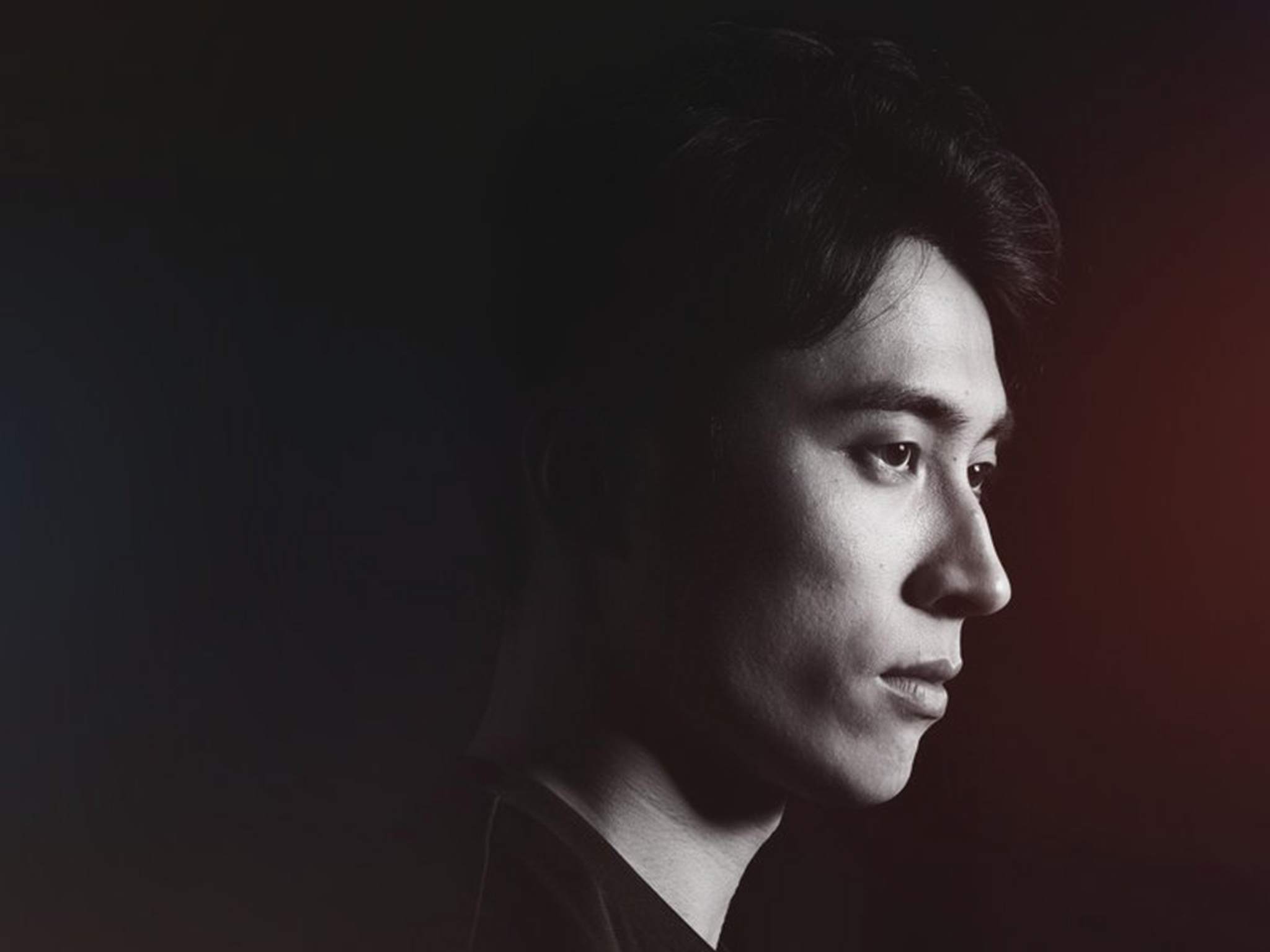
Rui Takahashi, a 26-year-old volleyball player for the Suntory Sunbirds Osaka, announced publicly on September 29 that he is gay. In an Instagram post, Takahashi detailed years of struggling with his sexuality since childhood and denying his identity. Conversations with his younger brother, national team star Ran Takahashi, eventually helped him confront these feelings.
This public declaration is a personal milestone for Rui Takahashi. However, its implications for Japanese men's sports extend beyond individual courage. While Japanese sports organizations are reportedly making strides toward LGBTQ+ inclusion, the fact that a professional athlete's coming out is still a notable event underscores that full acceptance is not yet commonplace. For young men in Japan, particularly those aspiring to or participating in sports, Takahashi's experience may resonate, highlighting the internal conflict between personal identity and societal expectations. The question remains how this public statement will influence the environment within team sports, where masculinity and conformity can often be deeply ingrained.
The context of Japanese sports, even popular ones like volleyball, has traditionally been reserved in public discourse on personal matters. The Japan Times reported in 2024 on the fastest-growing fan base for Japanese volleyball being female superfans, which suggests a significant consumer engagement with the sport, but not necessarily a progressive shift in the discussion of athletes' private lives or identities. Media attention around athletes has also included personal controversies, such as a 2025 VnExpress International report on Ran Takahashi denying an affair with a JAV actress, indicating that personal lives, when perceived as scandalous, do attract scrutiny. This contrast suggests that while personal lives are sometimes public, the specific topic of LGBTQ+ identity may still be navigating a different, more sensitive path.
For Asia-Pacific readers, particularly in countries like Thailand, where LGBTQ+ acceptance is often perceived as more advanced than in some other regional nations, Takahashi's statement highlights that societal progress is uneven. In Thailand, public visibility of LGBTQ+ individuals is higher, yet legal protections and full social integration still face challenges. Takahashi's experience, rooted in Japan's cultural context, emphasizes that even in economically developed nations, the journey towards unconditional acceptance for LGBTQ+ athletes is ongoing. The true measure of impact will not be in the initial announcement, but in the sustained support and policy changes, if any, that follow within Japanese sports and wider society. The outcome for other athletes will depend on how institutions, peers, and the public respond to this and future disclosures.
The Wider Ripple
The significance of Rui Takahashi's coming out, therefore, lies less in its immediate shock value and more in its potential to incrementally shift perceptions. While there is no immediate evidence to suggest a widespread policy overhaul in Japanese sports organizations following this specific event, it does contribute to a broader global conversation about LGBTQ+ inclusion in professional athletics. The persistence of silence or denial among many athletes, as Takahashi described his own struggle, illustrates the pressure to conform. If his statement helps even a few young men reconsider their own internal conflicts, or encourages sports bodies to more actively foster inclusive environments, then its impact will extend beyond one Instagram post. The degree to which this becomes a catalyst for wider change in Japanese men's sports will depend on continued dialogue and visible support from figures within the sporting establishment. Without such sustained engagement, the burden of change risks falling solely on individual athletes. The path forward will be determined by whether this personal act becomes a collective movement.
Sources
Newsletter
Pacific Daily
A curated briefing from Thailand, Asia-Pacific and the world.