Review of US Troop Conduct in Okinawa Reflects Enduring Security-Sovereignty Tensions
Tokyo's re-examination of off-base rules for American military personnel follows an alleged killing, highlighting complex regional dynamics of host nation support for foreign forces.
SINGAPORE
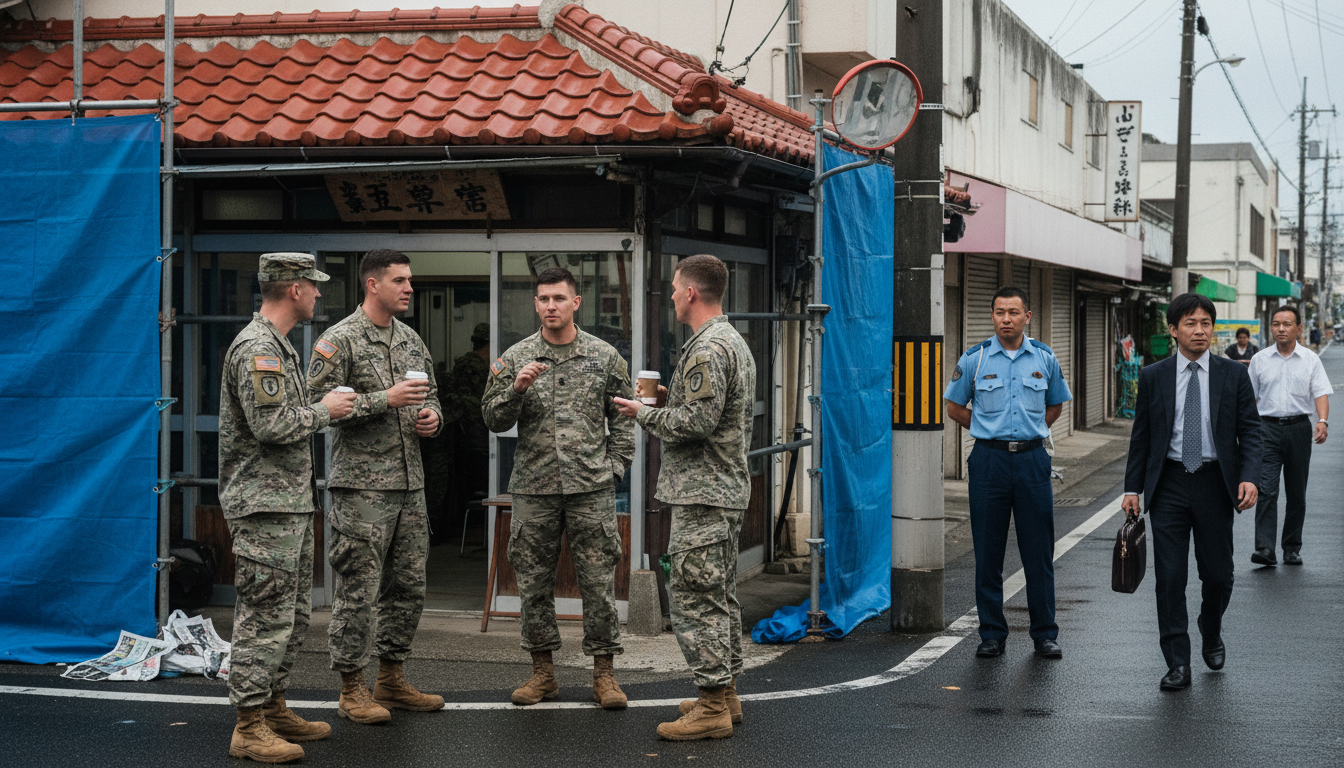
Japan's stated review of off-base rules for United States troops, initiated by Japanese Foreign Minister Toshimitsu Motegi, signals a recurring challenge in Asia-Pacific security arrangements. This reassessment, following an alleged killing of an Okinawan woman by a US Marine, underscores the enduring friction between sovereign nation concerns and the presence of foreign military forces. Such incidents in Okinawa have historically provoked public protests and political responses, demonstrating a pattern of public dissatisfaction when security alliances intersect with local safety.
Foreign Minister Motegi stated that officials plan to hold discussions including whether the existing rules are effectively functioning. This indicates Tokyo’s intent to scrutinize the practical application of existing agreements. The specific focus on off-duty conduct points to the difficulty in managing personnel stationed abroad beyond their operational roles. In Okinawa, allegations against US military personnel, including rapes, assaults, hit-and-runs, and drunk driving, have long generated public opposition. These past incidents contribute to the pressure on Tokyo to address the present situation with visible action.
Historically, Okinawa has consistently called for other regions in Japan to share the burden of hosting US troops, revealing an internal tension within Japan itself. This regional disparity in accommodating military assets is not unique to Japan; similar dynamics play out across other host nations in the Asia-Pacific. Localized discontent, amplified by individual alleged criminal acts, can complicate broader security cooperation and strategic alignment between allies. The repeated nature of these events suggests that while security treaties may evolve at a high-level, the implementation of conduct protocols on the ground remains a consistent point of contention.
The review in Japan occurs in a region where several nations host significant foreign military presences. The implications of this incident, therefore, extend beyond Japan. How Tokyo and Washington address the current situation, and what changes emerge from their discussions, could establish precedents or shift expectations for other alliance partners. While the immediate focus is on Japan and the United States, the underlying questions of jurisdiction, accountability, and the social impact of military bases resonate across the broader Asia-Pacific landscape, where security partnerships are critical but also continually renegotiated through such local-level events. The fundamental challenge remains balancing strategic defense needs with the imperative of community safety and local sentiment.
Sources
Newsletter
Pacific Daily
A curated briefing from Thailand, Asia-Pacific and the world.