Rabuka’s Constitutional Gamble Exposes the Fragility of Pacific Alignments
Fiji’s looming parliamentary split over the 2013 charter threatens domestic stability just months after Canberra anchored its regional security strategy in Suva
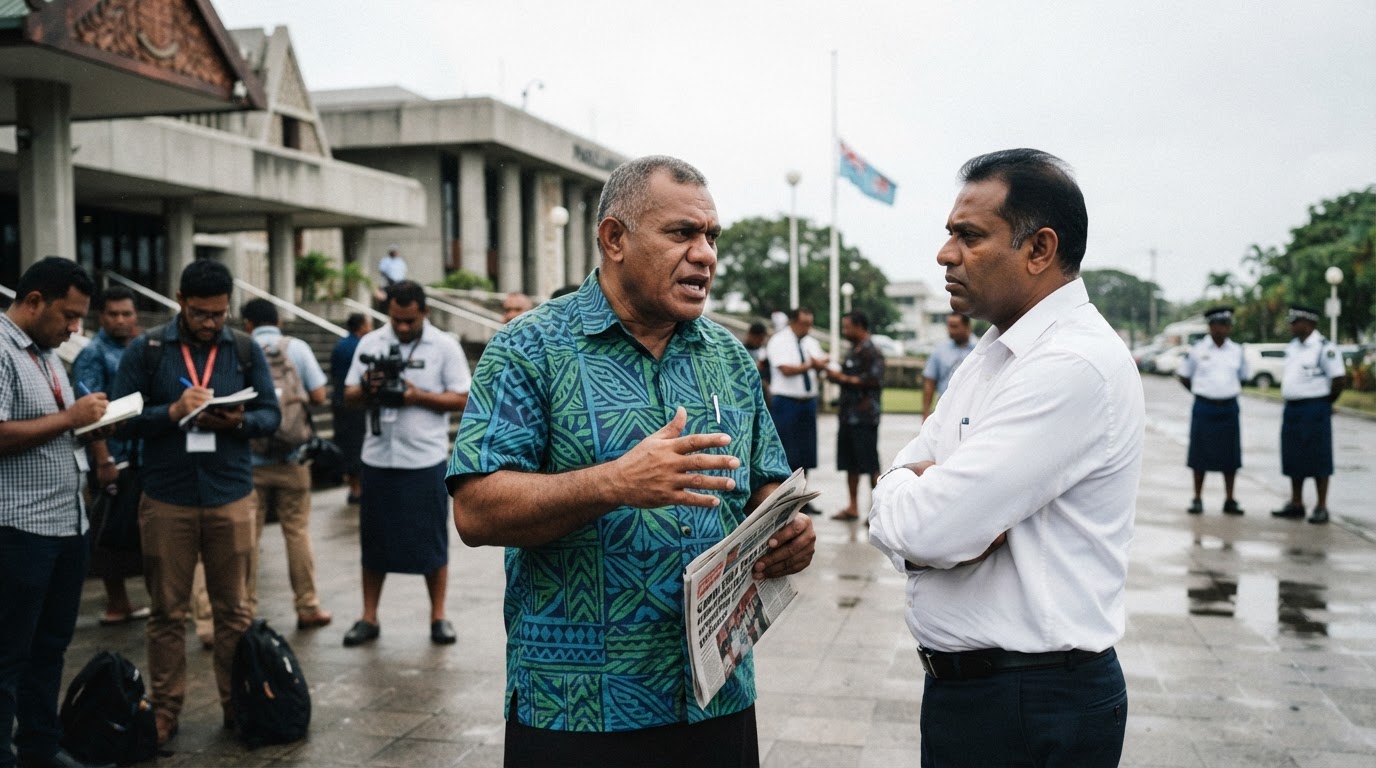
Constitutional permanence in the Pacific has rarely survived the arithmetic of fragile legislative coalitions. When Prime Minister Sitiveni Rabuka assembled his government in December 2022, the tripartite arrangement ended a sixteen-year era of centralised rule, offering regional partners a stable democratic interlocutor in Suva. That foundation is now fracturing over the very document that defined Fiji’s modern political settlement. With two minor partners directing their members of parliament to reject the Constitution (Amendment) Bill 2026 at its crucial third reading, Rabuka faces an internal revolt that reaches far beyond domestic procedural reform.
The immediate contest turns on a rigid constitutional threshold. To amend the 2013 Constitution, the prime minister requires a two-thirds majority of at least 36 votes in a 53-seat parliament, a chamber diminished from its original 55 members following the passing of two lawmakers. Securing that margin was mathematically improbable even with unified cabinet backing. Without the compliance of his minor coalition allies, the arithmetic collapses entirely. Yet Rabuka has committed to tabling the bill when parliament resumes on Monday, forcing a public reckoning that risks bringing down his administration.
The Cost of Coalition Fracture
Supporters of the prime minister argue that pressing the amendment remains an essential democratic duty. The 2013 Constitution, enacted under the previous administration, concentrated executive authority and created lingering institutional grievances that the coalition pledged to resolve upon taking office. From Rabuka’s perspective, retreating from fundamental legal reform would alienate core constituencies and signal legislative paralysis. Demonstrating political courage by putting lawmakers on the record, his loyalists maintain, clarifies where institutional allegiances lie ahead of the next electoral cycle.
That argument understates the governance liability created by an open rebellion among junior partners. Coalition management in small island legislatures requires delicate patronage distribution and ideological compromise. By forcing lawmakers into an uncompromising roll call, Rabuka is accelerating the disintegration of his parliamentary majority. A defeated flagship amendment would leave the executive wounded, unable to command legislative discipline for budgetary or statutory business.
Regional Repercussions
This domestic impasse carries serious external consequences across the wider Asia-Pacific diplomatic corridor. In July 2026, Australia concluded a bilateral defence alliance with Fiji, a strategic arrangement designed explicitly to solidify Canberra’s traditional security perimeter and counter China’s expanding presence across Pacific maritime routes. Canberra calculated that a cooperative administration in Suva provided an enduring anchor for Western strategic interests in Melanesia.
That calculation assumed political durability. While foreign ministries often treat formal security treaties as state-to-state commitments insulated from cabinet instability, political legitimacy in Suva dictates strategic continuity. A fractured government absorbed by internal survival cannot manage foreign policy alignment with predictable resolve. Beijing has historically monitored political transitions across Pacific island capitals, capitalising on governance voids whenever incumbents falter under domestic strain. If the defeat of the constitutional bill precipitates a wider realignment of the Fijian legislature, Canberra’s diplomatic dividends could face sudden reassessment.
Institutional reform in post-coup polities always contends with the balance between legal ambition and governing capacity. Rabuka’s insistence on testing his coalition against the rigid strictures of the 2013 charter reveals the structural limits of multiparty governance in Suva. Whether the parliamentary confrontation on Monday triggers a formal dissolution or merely cements a minority administration, the legislative constraint remains wholly unresolved.
Sources
Newsletter
Pacific Daily
A curated briefing from Thailand, Asia-Pacific and the world.