Political Maneuvers in Indonesia Weaken Economic Defenses
Factional bargaining stalls structural market reforms as sovereign downgrade threats and civic friction mount across the republic
SINGAPORE
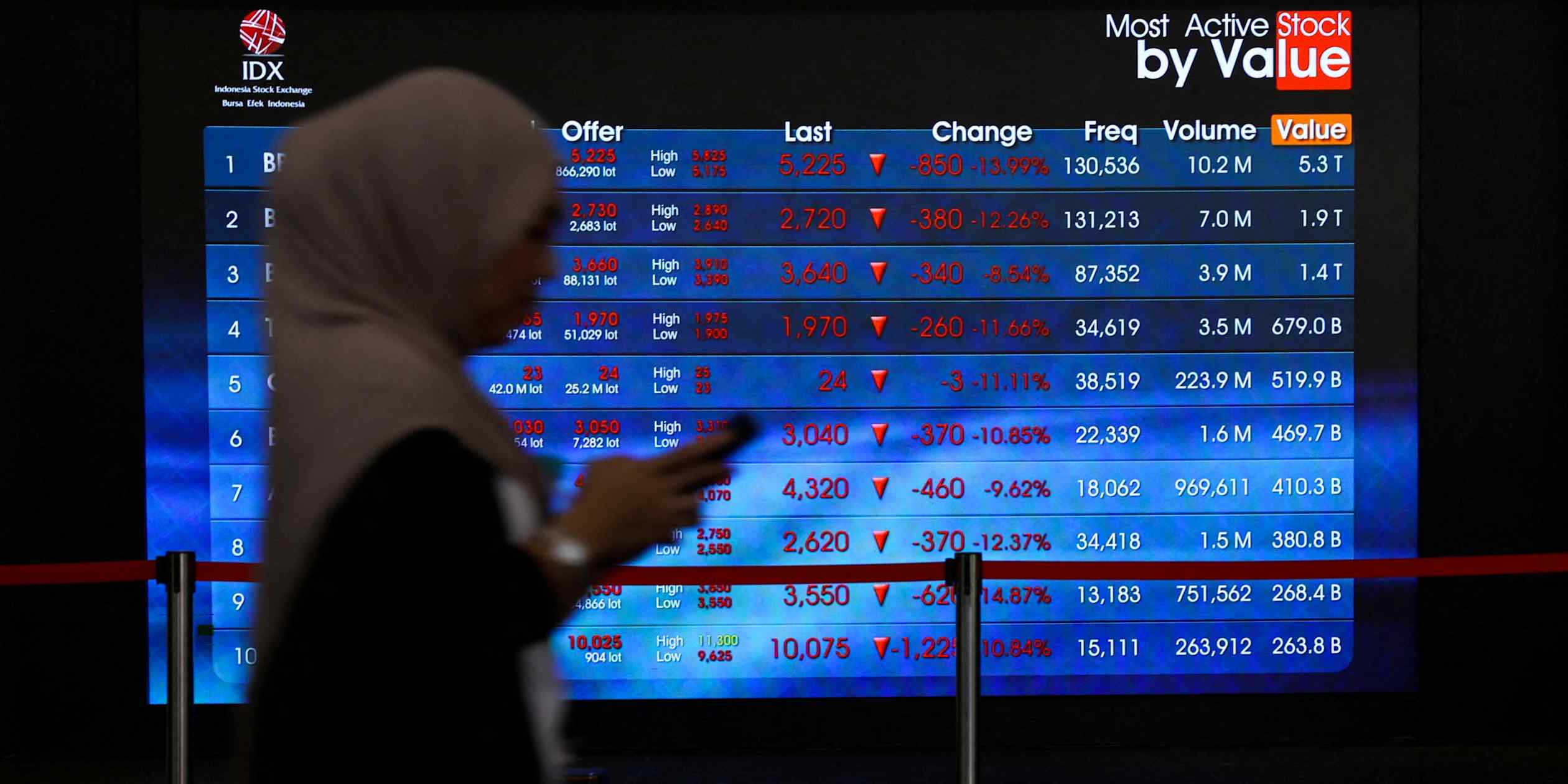
The established pattern of Southeast Asian economic governance rested on a durable administrative assumption: executive consolidation, whatever its democratic compromises, preserved the bureaucratic insulation required to enact market discipline. In Indonesia, that operational separation has fractured. As reported assessments indicate that domestic political maneuvers are directly impeding market reforms under the immediate shadow of sovereign credit downgrade threats, state management confronts an acute institutional contradiction.
What has altered is not the formal statutory authority of the executive, but its operational capability to insulate economic adjustments from partisan alliance management. Over successive cycles of regional growth, foreign capital tolerated domestic political horse-trading because core regulatory bodies maintained technical autonomy. Today, factional bargaining treats statutory deregulation as disposable currency in the preservation of legislative coalitions. When legislative factions subordinate structural overhaul to patronage maintenance, regulatory clarity evaporates precisely as external capital conditions penalize administrative delay.
These policy blockages coincide with documented breakdowns in basic public administration. A published report indicated that fire pollution killed 3,560 people in Indonesia in September, presenting an unsparing accounting of systemic regulatory failure. Simultaneously, hundreds of Indonesian students mobilized to protest the state response as forest fires spread, linking physical environmental neglect directly to bureaucratic inertia in the capital.
Factional Leverage and Institutional Atrophy
Analytically, the central question is what institutional capability has degraded. Technical competence inside economic ministries remains intact on paper. What has eroded is the political capacity to enforce fiscal austerity and market competition against entrenched parliamentary allies. Historically, sovereign downgrade warnings triggered rapid regulatory rationalization. Under prevailing coalition dynamics, legislative factions instead leverage market reform bills to extract regional concessions, neutralizing structural overhauls before implementation.
Advocates of incrementalism offer a standard counterargument: coalition preservation serves as a necessary shock absorber in an archipelagic state, preventing institutional ruptures through continuous elite accommodation. According to this reasoning, postponing contentious market liberalization preserves the underlying political stability necessary for long-term growth.
That hypothesis, however, conflates elite truce with macroeconomic resilience. International credit rating assessments do not evaluate sovereign creditworthiness by coalition harmony; they measure statutory predictability and fiscal sustainability. Trading structural solvency for temporary legislative compliance compounds external exposure, leaving the sovereign balance sheet vulnerable to market repricing.
Cross-Border Fallout Across Southeast Asia
For the Asia-Pacific region, institutional hesitation within Southeast Asia's anchor economy generates direct friction. Cross-border supply networks and capital allocators depend on Indonesia's regulatory consistency. When domestic political maneuvers delay structural statutory overhauls and provoke downgrade alerts, neighboring economies absorb elevated risk premia across regional bond markets and supply chains.
The state now faces an unresolved structural constraint. Executive leadership cannot reconcile international demands for creditworthiness with domestic factional appeasement. Public demonstrations by student groups and the documented loss of 3,560 lives to seasonal fire pollution reveal that administrative paralysis extracts measurable human and financial tolls. Until national authorities resolve whether sovereign policy serves global credit realities or domestic patronage preservation, Indonesia remains caught between external market penalties and internal legislative compromise.
Sources
Newsletter
Pacific Daily
A curated briefing from Thailand, Asia-Pacific and the world.