Papal Diplomacy Confronts Pacific Realities
Costa Rica's formal invitation to Pope Leo XIV seeks moral ballast as maritime security pressures test the nation's traditional civilian posture.
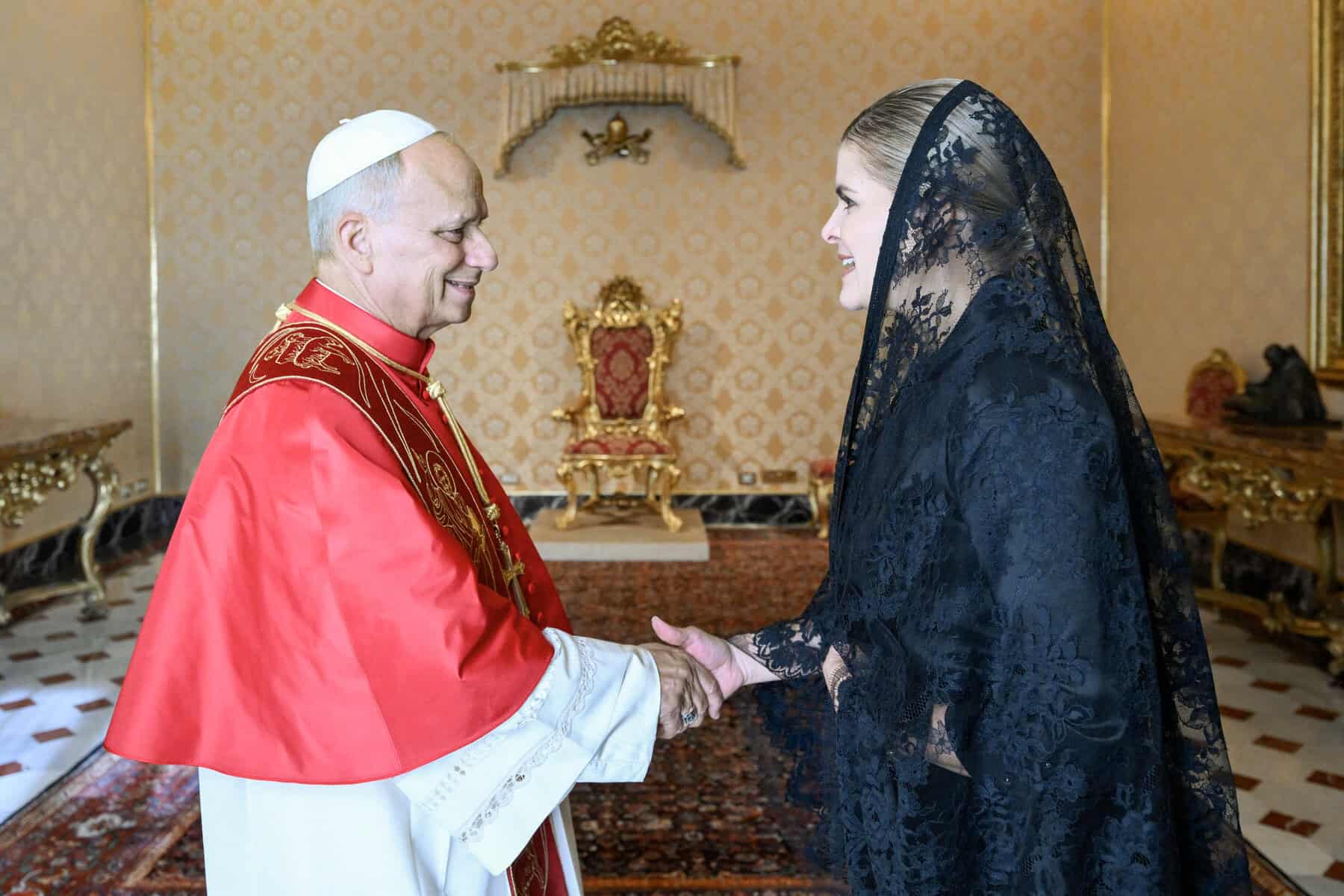
Forty-four years have passed since a Roman pontiff walked the streets of San José. When President Laura Fernández presented a formal invitation to Pope Leo XIV at the Apostolic Palace, proposing a state visit for 2027, the gesture revived a diplomatic channel dormant since John Paul II visited in March 1983. Official communiqués frame the prospective journey around historical commemoration, specifically marking the 203rd anniversary of the declaration of Our Lady of the Angels. Yet behind the statutory protocol lies an administration reaching for sovereign prestige at a moment when Pacific maritime pressures are challenging the state's traditional civilian posture.
Statecraft in small, demilitarised republics relies heavily on normative authority rather than coercive force. For Costa Rica, anchoring its international profile in constitutional stability and institutional dialogue has served as defensive strategy. Inviting the head of Catholicism to reaffirm those foundations in 2027 provides external verification of national stability. That moral capital, however, faces acute strain along the country's territorial boundaries.
The Maritime Calculus
Seven months before the diplomatic audience at the Vatican, events off the Pacific coast punctured the image of regional disengagement. In March 2026, a United States strike on a suspected drug boat operating in waters off Costa Rica left two dead and one critically injured. The kinetic intervention highlighted the growing militarisation of anti-narcotics enforcement across the eastern Pacific corridor. While executive authorities in San José continue to speak of a land where peace prevails, foreign military assets are actively executing lethal interdictions right at the edge of domestic jurisdiction.
Bilateral diplomacy offers symbolic legitimacy, but it cannot patrol contiguous waters or insulate small nations from extraterritorial enforcement.
This operational friction reveals a structural contradiction. An administration cannot fully leverage sovereign neutrality on the global stage while simultaneously accommodating foreign military operations in adjacent waters. The reliance on United States interdiction reflects domestic resource constraints, yet each offshore incident alters the regional perception of Costa Rican territorial governance. Pope Leo XIV would arrive in a country seeking spiritual endorsement of its social contract, even as external security dependencies suggest that contract remains incomplete.
Limits of Moral Capital
Papal itineraries are rarely neutral pastoral exercises; they are negotiated transactions between sovereign chancelleries and the Secretariat of State. Securing a confirmation for 2027 would mark a significant public relations achievement for President Fernández. It offers an effective counterweight to domestic anxieties over organised crime and regional instability, rallying civic identity around traditional symbols like the Virgin of the Angels.
The strategic limitation of such diplomacy remains clear. Ceremonial visits elevate national visibility, but they do not alter the macroeconomic incentives of illicit transit networks across the Pacific rim. Nor do they resolve the constitutional ambiguities of hosting foreign armed strikes along sovereign maritime approaches. Moral authority functions as a useful diplomatic instrument only when backed by effective administrative control over national territory.
Whether the Vatican accepts the 2027 timeline depends on regional Vatican scheduling and geopolitical calculations. If the visit proceeds, it will provide high-profile validation of Costa Rica's historical identity. What it will not alter is the security equation unfolding offshore, where international enforcement continues to operate under rules that moral diplomacy cannot rewrite.
Sources
Newsletter
Pacific Daily
A curated briefing from Thailand, Asia-Pacific and the world.