Pilot Attack on Flydubai: A Sobering Reminder of Air Travel Vulnerabilities
While rare, the attempted aircraft crash on a Dubai-Tel Aviv flight raises questions about passenger confidence and the unseen costs of aviation security.
SINGAPORE
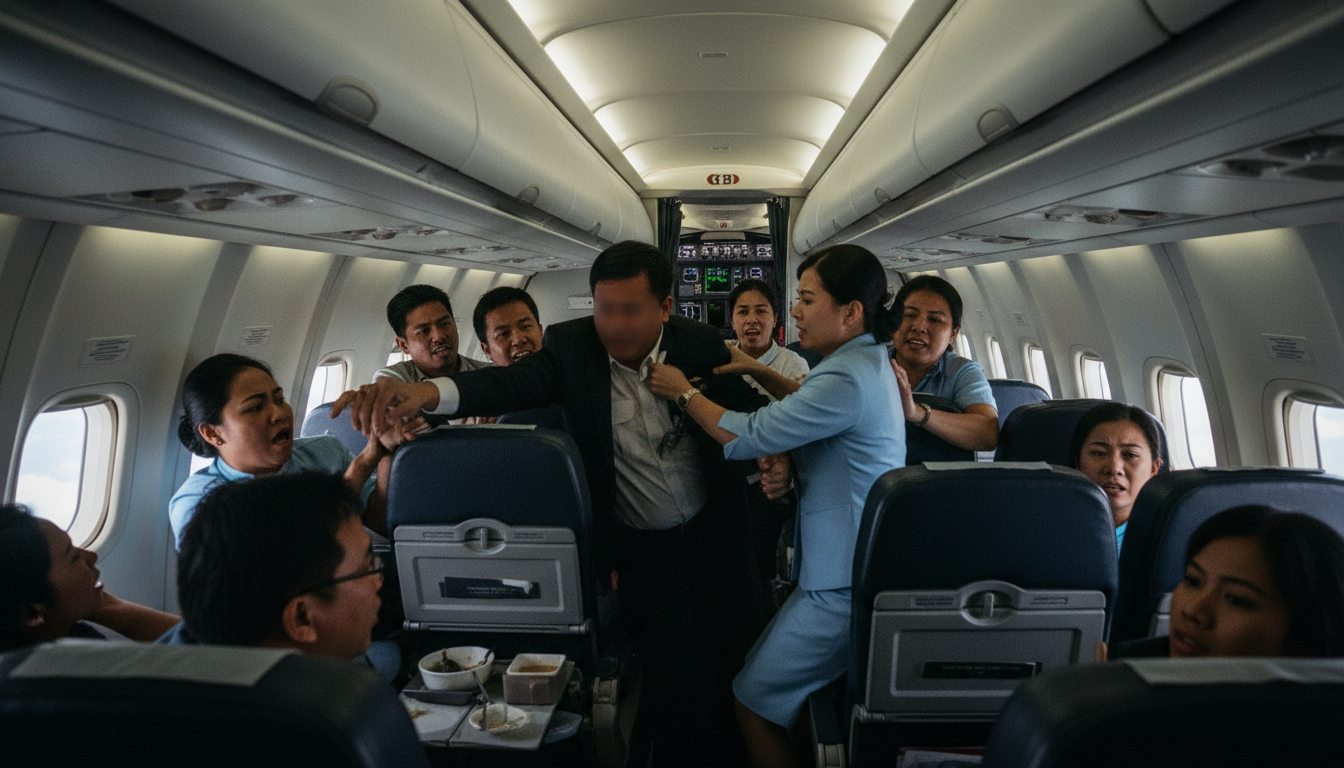
The attempted hijacking of Flydubai flight FZ 1073 on September 30, involving a co-pilot allegedly stabbing a pilot and attempting to crash the aircraft, brought a rare and severe threat to commercial aviation. All 172 passengers, predominantly Israeli nationals, were reported safe after an emergency landing in Tabuk, Saudi Arabia. This incident, confirmed by The Thaiger and other international outlets, shifts focus to the unseen vulnerabilities within air travel.
Such an event, though unique, has immediate implications for the average traveler. While direct fare increases are not a certainty, a significant incident affecting passenger confidence often leads to heightened security measures. These measures, from increased crew vetting to enhanced cockpit security protocols, bear costs that airlines eventually factor into their operational expenses. For an everyday economy, these can manifest as subtle, incremental additions to ticket prices or extended wait times at airports, impacting both time and budget.
Governments and airlines are likely to review existing mental health support and vetting processes for flight crew. The alleged actions of a co-pilot attempting to crash a commercial aircraft are an extreme departure from typical aviation safety concerns. While a Malaysian pilot recently faced the death penalty in Indonesia for drug smuggling, a different form of crew-related risk, the Flydubai event points to an internal threat within the cockpit itself. Israel's Prime Minister Netanyahu stated that the pilot may have attempted to crash the flight, underscoring the severity of the alleged act.
Some might argue that this was an isolated incident with no broader implications for the millions of safe flights each year. Commercial aviation has a robust safety record, and attacks originating from within the flight deck are exceptionally rare. The rapid intervention by passengers and the successful emergency landing demonstrate existing safety mechanisms working under duress. However, even isolated events can trigger systemic responses. The airline industry’s business model relies heavily on a public perception of absolute safety. When that perception is shaken, even briefly, the industry reacts to restore it, often through costly procedural changes. The potential for such extreme internal threats could lead to a re-evaluation of crew monitoring and mental health checks across the board, affecting airlines globally.
The immediate aftermath for Flydubai and potentially other carriers on routes involving Israel and the United Arab Emirates will be an intensive scrutiny of security protocols. The long-term impact on passenger behavior and airline costs will depend on how effectively the aviation industry addresses the underlying questions this incident raises about trust in those at the controls.
Sources
Newsletter
Pacific Daily
A curated briefing from Thailand, Asia-Pacific and the world.