Thai Nominee Crackdown Reveals Scale of Undeclared Foreign Land Control
The ongoing investigation into 11,000 companies suspected of nominee arrangements raises questions about transparency and the costs borne by local communities.
SINGAPORE
Thailand’s government is currently engaged in an expansive investigation into over 11,000 companies suspected of operating under nominee arrangements. These arrangements are believed to conceal foreign control of land and businesses, circumventing regulations that restrict direct foreign ownership. The inquiry is scheduled for completion by the end of September.
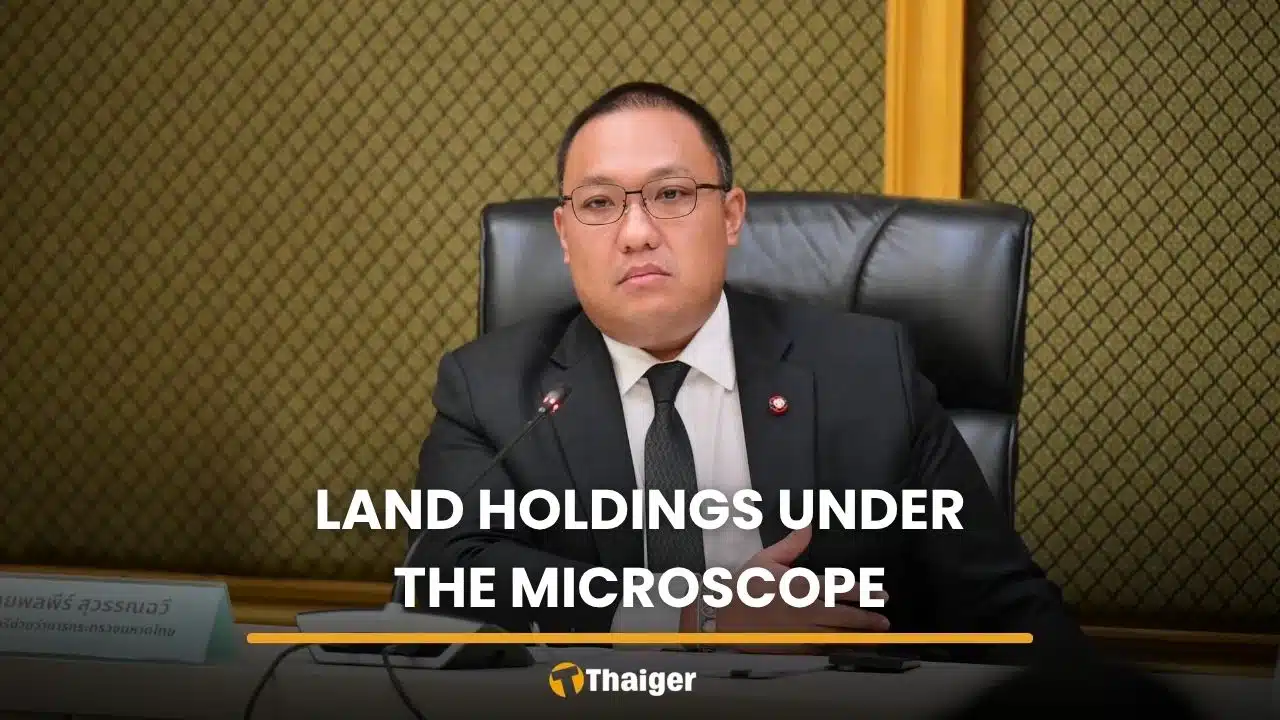
According to Deputy Interior Minister Phonpi Suwannachawi, approximately 2,200 of these firms have already been confirmed as foreign-controlled. The land associated with these cases is valued at an estimated 85 billion baht. This figure marks an increase from the 65 billion baht valuation reported two weeks prior, indicating the growing scale of the problem as investigations proceed. The Deputy Minister announced these figures on September 15 following an inter-agency meeting that included representatives from the Interior, Commerce, and Justice ministries, alongside police and land agencies.
The investigation focuses on instances where Thai shareholders are allegedly used to mask foreign ownership, particularly in sectors such as land acquisition where foreign investment faces restrictions. This crackdown is part of a broader government effort to address nominee companies across the country. While the immediate objective appears to be regulatory compliance, the long-term implications for land use, local communities, and the broader investment climate remain uncertain. The sheer number of companies under scrutiny suggests a pervasive practice, rather than isolated incidents.
### The Cost of Concealment
The rising valuation of the land involved — from 65 billion baht to 85 billion baht in a fortnight — suggests that the full extent of foreign-controlled assets remains to be quantified. This raises questions about how these arrangements have influenced local land prices and development patterns over time. The opaque nature of nominee structures makes it difficult to assess who has truly benefited from land transactions and who has borne the costs, particularly in areas where local populations may be displaced or priced out. Without clear ownership, accountability for land-related issues, including environmental impact or adherence to zoning laws, can become diluted.
The current focus on quantifying the value of land under suspect arrangements is a necessary step, but it is the daily impact on local populations that demands further attention.
The government’s stated intent to complete these investigations by the end of September implies a swift resolution. However, the complexity of untangling thousands of corporate structures and tracing beneficial ownership suggests that the real work of ensuring equitable land use and regulatory enforcement may extend far beyond this initial deadline. The outcome of these investigations could redefine how foreign investment is permitted to operate in Thailand, potentially altering long-standing practices and introducing new compliance burdens for both local and international entities.
Sources
Newsletter
Pacific Daily
A curated briefing from Thailand, Asia-Pacific and the world.