Phuket’s All-Inclusive Model: A Question of Design for Place
The new Hotel Riu Palace Phuket introduces a self-contained resort concept that tests the island’s existing infrastructure and local engagement.
PHUKET
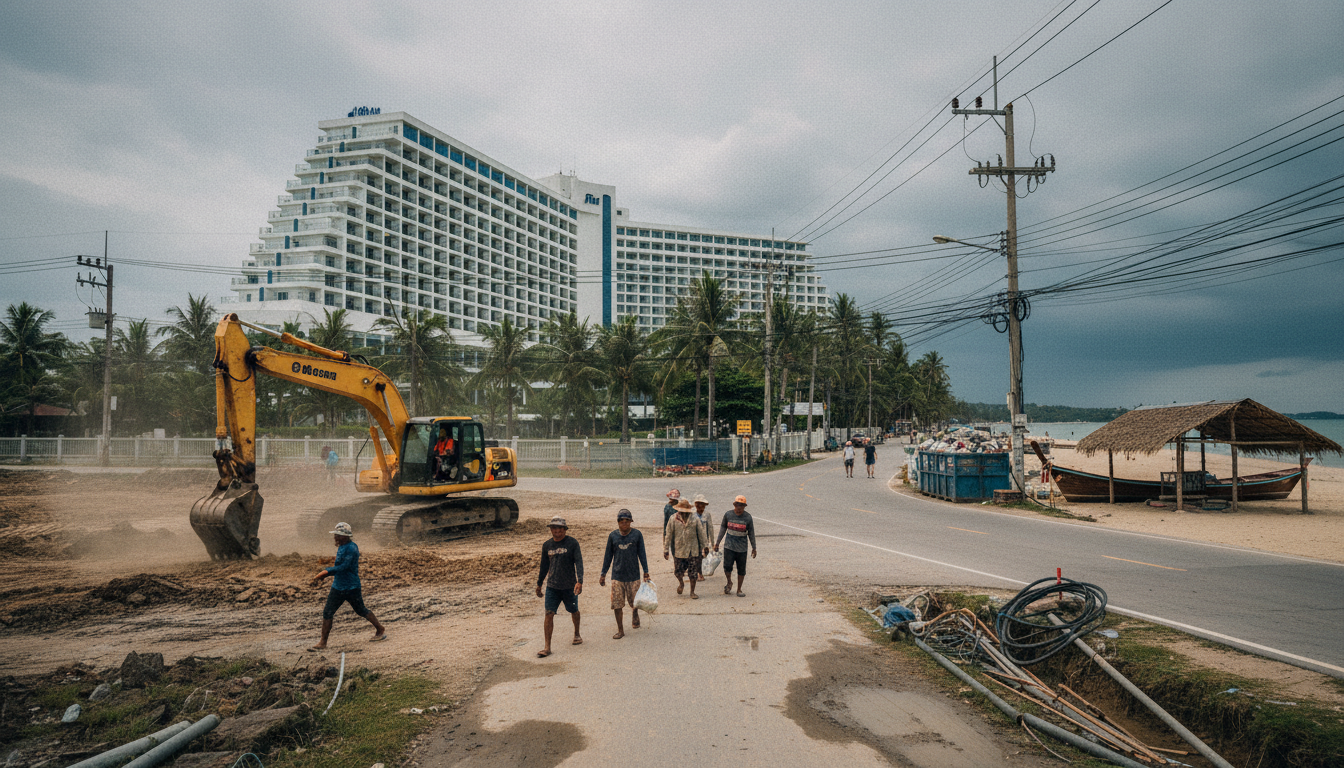
The Hotel Riu Palace Phuket opens on Mai Khao Beach, introducing a 24-hour all-inclusive model to the island. RIU Hotels & Resorts presents this as its signature concept, applied now in Thailand for the first time. The arrival raises questions about how this design model will integrate with Phuket’s established tourism economy and its environment.
All-inclusive resorts typically aim to contain guest activities and spending within the property’s boundaries. This operational design can reduce direct engagement with local businesses outside the resort gates. For an island like Phuket, which has numerous hotels catering to all types of travellers, this type of self-sufficiency may limit economic spillover to local vendors, restaurants, and tour operators. The concept, while offering a contained experience for visitors, inherently designs a separation between the guest and the immediate locality.
Phuket has experienced rapid development, leading to awards for its luxury resort residences in 2018. However, this growth also creates pressures. The island grappled with a growing garbage crisis reported in 2025. A self-contained hotel with 500 rooms, as is the case for the Hotel Riu Palace Phuket, will generate its own significant waste stream. The design of all-inclusive systems often prioritizes internal efficiency, but their external impacts on local services like waste management require scrutiny. Mai Khao Beach itself borders Sirinat National Park, an area with sensitive ecological considerations. The scale of new developments adjacent to such zones demands careful evaluation of their environmental footprint and resource demands.
Proponents of the all-inclusive model often highlight its convenience for guests, offering a predictable vacation cost and a comprehensive range of services on-site. This can appeal to a segment of the international travel market. The source described Phuket’s international popularity, implying a consistent demand for diverse lodging options. However, this convenience for the visitor must be balanced against the needs of the host destination. The question for Phuket is whether such a design contributes sustainably to the local economy and environment, or if it instead places an additional burden on public resources while isolating tourist spending.
The challenge for Phuket, and other destinations in the Asia-Pacific region considering similar models, is to ensure that new tourism infrastructure design supports the community and environment, not just the guest experience. The long-term implications of self-contained properties on local employment patterns and the viability of small businesses are yet to be fully understood. The introduction of the Riu Palace Phuket serves as a case study in progress, testing the resilience of Phuket’s economic and environmental systems against a globally recognized but locally distinctive hotel concept.
Sources
Newsletter
Pacific Daily
A curated briefing from Thailand, Asia-Pacific and the world.