Phuket Resort Incentivizes Longer Stays
A Phuket resort's strategy to extend guest visits suggests a shift in the tourism sector's approach to consumer spending, moving beyond brief transactional encounters.
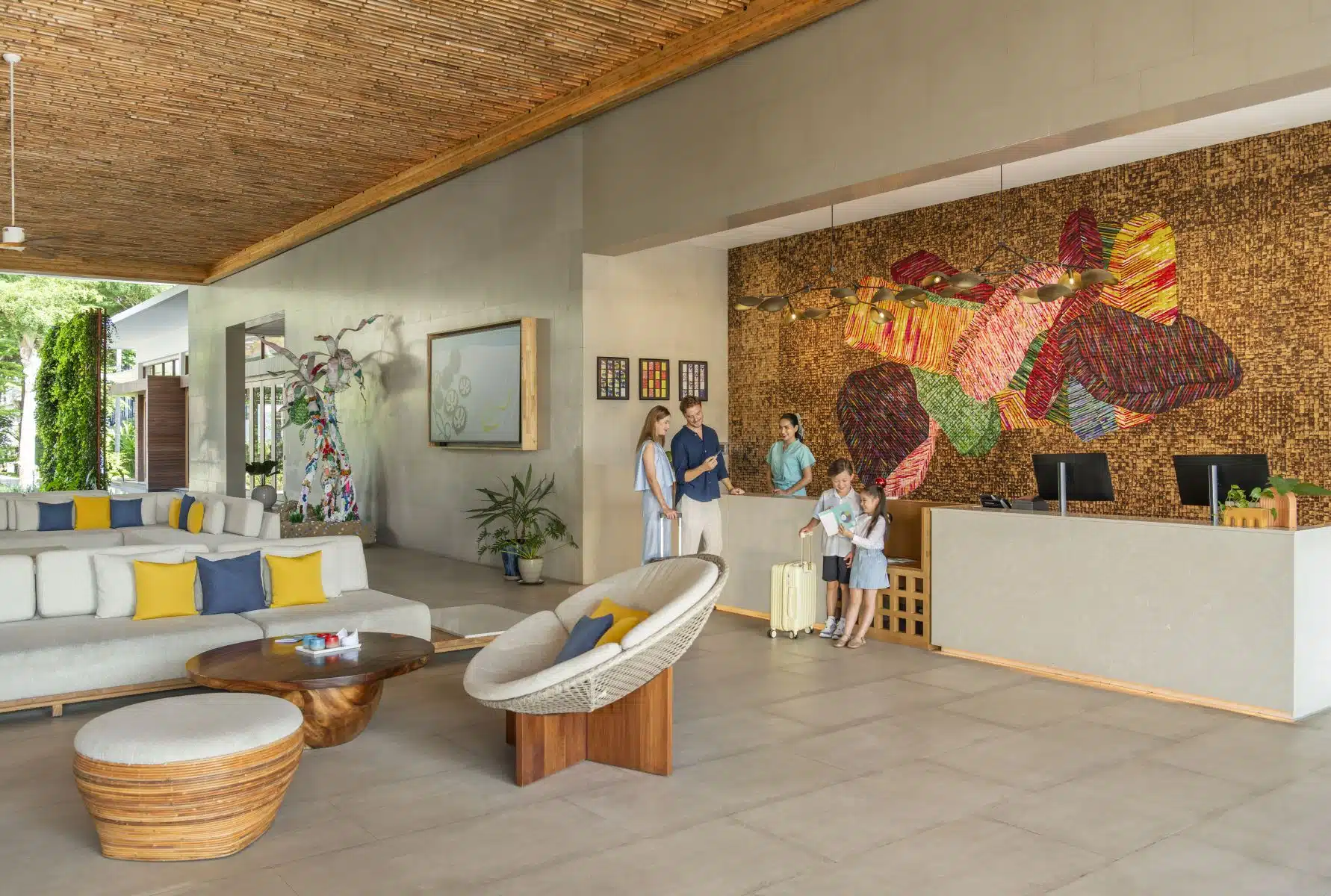
PHUKET
Le Méridien Phuket Mai Khao Beach Resort has introduced the Long Stay Beach Escape, an offer designed to reward guests who extend their stays. This initiative, available for bookings through April 30, 2027, includes a range of additional experiences. These range from kayaking and paddleboarding to cooking classes and private wellness sessions, with benefits varying by length of stay.
For stays of three nights or more, guests receive a gelato or popsicle treat for two. This package also includes a 30-minute kayaking or paddleboarding session. The incentives increase significantly for those staying seven nights or longer. This tier adds a choice of return airport transfers or a transfer to Central Floresta Phuket, breakfast for children under 12, and a private, in-room floating breakfast for two. Guests staying ten nights or more gain access to a private wellness session with a dedicated instructor, a 60-minute spa treatment for two, and a private cooking class.
On the surface, this offer might seem like a simple marketing tactic. It signals, however, a broader shift in how some luxury resorts in Thailand are trying to secure revenue from visitors. Historically, many tourism models have focused on maximizing occupancy with shorter, high-turnover visits. This new approach suggests an attempt to increase the total spend per customer by encouraging longer, more embedded experiences within the resort's ecosystem. The resort effectively bundles value, making a longer stay appear more economical and richer in experiences than multiple shorter trips or external activities.
Such strategies are relevant for understanding consumer behavior in a post-pandemic travel landscape. With fluctuating travel patterns and economic pressures, retaining guests for longer periods at a single location can offer more predictable revenue streams than constantly attracting new, short-term visitors. The included perks, such as transfers and children's breakfast, directly address potential budget concerns for families and individuals. This makes the proposition more attractive on a monthly budget.
While this initiative may benefit the resort by stabilizing occupancy and increasing incidental spending on additional services, it also implies a trade-off. It caters to a segment of travelers able and willing to commit to extended stays, potentially sidelining those who prefer shorter, more diverse travel itineraries. For a family on a tight budget, the initial cost of a ten-night stay, even with perks, could remain prohibitive. The emphasis on in-resort activities also means less direct engagement with local businesses outside the resort's immediate sphere. This could limit the wider economic impact on the surrounding community. Whether the perceived value of these bundled experiences outweighs the desire for flexibility and external exploration among target consumers will determine its success.
Sources
Newsletter
Pacific Daily
A curated briefing from Thailand, Asia-Pacific and the world.