Penang Leisure Play Signals Mall Shift
An RM8m indoor park commitments reflects landlords trading retail margin for footfall insurance
SINGAPORE
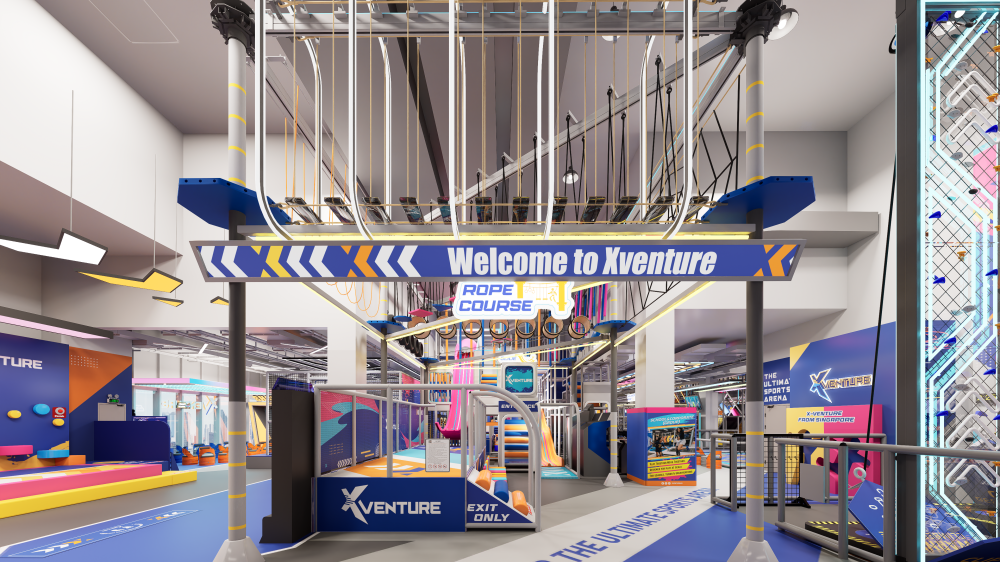
Capital expenditure on indoor entertainment is no longer an afterthought for commercial developments. In George Town, operator Xventure has committed RM8m to establish its debut Malaysian outlet at The Waterfro. The transaction looks straightforward as a leisure expansion into Penang. In commercial real estate terms, the allocation tells a more calculating story about tenant mix and rental yield.
Traditional retail yields have compressed across Southeast Asian commercial centres as digital commerce erodes baseline apparel and department store turnover. Landlords face rising vacancy costs and shorter lease tenures from conventional fashion tenants. To counter softening foot traffic, property managers are reallocating prime floor plates to experiential anchors that draw physical visits regardless of consumer spending cycles. An indoor adventure venue acts as an engineered traffic driver, occupying substantial square footage that would otherwise struggle to find single-tenant occupancy.
Shifting Square Metres
Commercial landlords once treated family entertainment centres as low-margin concessions relegated to basements or upper mezzanine levels. The economics of modern commercial space have inverted that priority. When an operator commits RM8m to build out an indoor venue, the landlord effectively accepts lower direct rent per unit of floor space in exchange for covenant stability and sustained patronage.
Experiential anchors absorb expansive floor plans while serving as loss leaders for nearby food and beverage tenancies.
This physical reconfiguration alters the financial equation for surrounding tenancies. High-turnover food and beverage operators absorb the higher rental rates, subsidising the massive footprints occupied by active recreation facilities. The economic burden shifts accordingly. Small independent merchants and mid-tier retail vendors find themselves priced out of renovated commercial concourses, replaced by higher-margin lifestyle franchises designed to capture secondary spending from park visitors.
Local consumer spending patterns dictate whether this balance holds over a multi-year horizon. Commercial developments in secondary metropolitan hubs often mimic primary capital cities by commissioning capital-intensive leisure concepts. Yet sustaining footfall outside holiday peaks presents a structural challenge. An indoor facility demands continuous maintenance, insurance overhead, and periodic equipment updates to maintain interest after local customer novelty recedes.
The Footfall Calculation
Regional leisure operators are adapting to consumer preference shifts toward active, climate-controlled indoor recreation across tropical urban hubs. For George Town, hosting a domestic debut outside Kuala Lumpur indicates that commercial developers see viable domestic discretionary income in Penang. It also reflects intense competition among developers seeking to distinguish emerging waterfront retail infrastructure from older downtown properties.
Every square metre allocated to large-scale indoor equipment removes space from standard trade. If the venue succeeds in drawing sustained visitor volumes, neighboring commercial properties will follow with similar experiential leases, increasing the capital barrier for smaller retail tenants across Penang. If interest tapers, commercial landlords will face expansive, highly specialised floor plans that are notoriously expensive to reconfigure for alternative commercial uses.
The real estate calculation behind the project depends on whether recreational foot traffic converts into durable neighborhood economic activity or remains confined within the turnstiles.
Sources
Newsletter
Pacific Daily
A curated briefing from Thailand, Asia-Pacific and the world.