Paint Offers a Structural Answer to Wind Power's Avian Impact
A recent study suggests a low-cost visual modification to wind turbine blades could significantly reduce bird mortality, presenting a clear opportunity for renewable energy expansion in the Asia-Pacific.
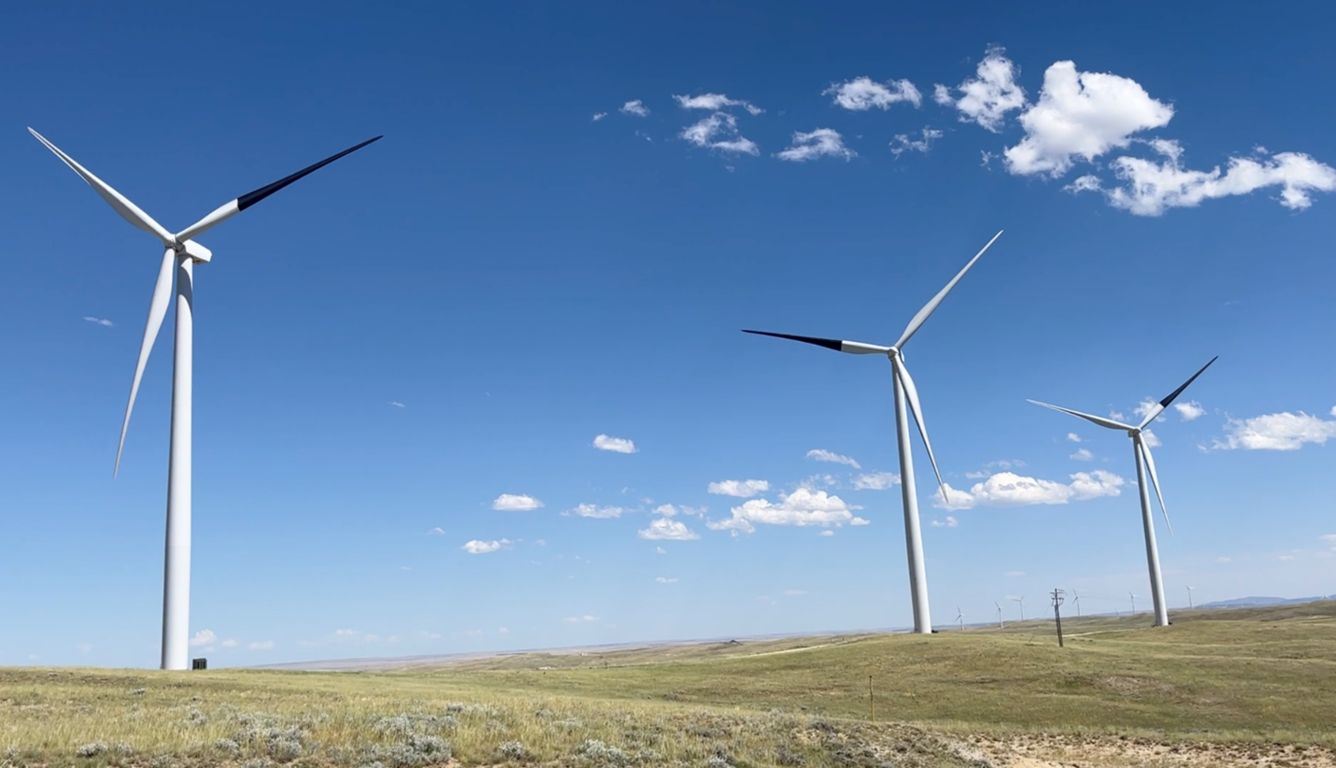
Wind energy is considered a valuable tool for addressing the climate crisis. However, the operational impact of wind turbines on bird populations remains a consistent challenge. A recent study, reported by Mongabay Asia on October 9, 2026, highlights a simple structural solution that could dramatically reduce bird fatalities associated with these installations. This finding holds particular relevance for regions like the Asia-Pacific, where renewable energy infrastructure is expanding.
The core issue lies in what is termed 'motion smear' or 'motion blur'. When the massive white blades of a wind turbine rotate rapidly, they can become a transparent blur, making them difficult for birds to discern. The study found that by painting a single turbine blade a contrasting color, such as black, this visual blur can be disrupted. This modification theoretically makes the turbine more visible, allowing birds to navigate around the moving blades. Researchers reported results from a long-term experiment that commenced in 2020. This research provides a specific, actionable intervention rather than merely documenting the problem.
This approach carries significant economic implications. The fix is described as low-tech and relatively inexpensive. In contexts where large-scale renewable projects face local opposition due to environmental concerns, particularly regarding wildlife, such cost-effective mitigation measures become critical. The financial burden of implementing these painted blades is minimal compared to the overall investment in wind farm construction and operation. This contrasts sharply with the substantial costs associated with other environmental mitigation strategies, or the economic value represented by a David Hockney painting, sold for USD 28,500,000, which offers no comparable structural utility.
The structural shift implied by this research moves towards integrating wildlife protection directly into turbine design and operation. While previous discussions around bird-friendly wind farms involved various strategies, this particular method relies on a fundamental aspect of avian vision and physics. The evidence suggests a measurable reduction in bird collisions with this visual change. For countries across the Asia-Pacific region, including Thailand, that balance ambitious renewable energy targets with biodiversity conservation, this simple intervention represents a policy tool addressing a specific externality of wind power generation. The question remains how quickly this evidence will translate into widespread adoption, especially in rapidly developing energy markets where deployment speed often takes precedence over incremental design changes.
While the study points to a clear benefit, the full extent of its impact across diverse avian species and geographical conditions warrants continued observation. Different bird species may perceive colors and motion differently, and local ecological factors vary. The long-term effectiveness and maintenance implications of painted blades also need consideration. Ultimately, the ability to scale this solution across existing and future wind farms in the Asia-Pacific will depend on the willingness of energy developers and regulatory bodies to mandate and implement this design change, or the cost of avian fatalities will remain an unresolved constraint.
Sources
Newsletter
Pacific Daily
A curated briefing from Thailand, Asia-Pacific and the world.