Pacific Rim Storm Systems Test the Unit Economics of Urban Tourism
Prolonged November precipitation across Metro Vancouver exposes how weather volatility compresses shoulder-season cash flows for hospitality assets.
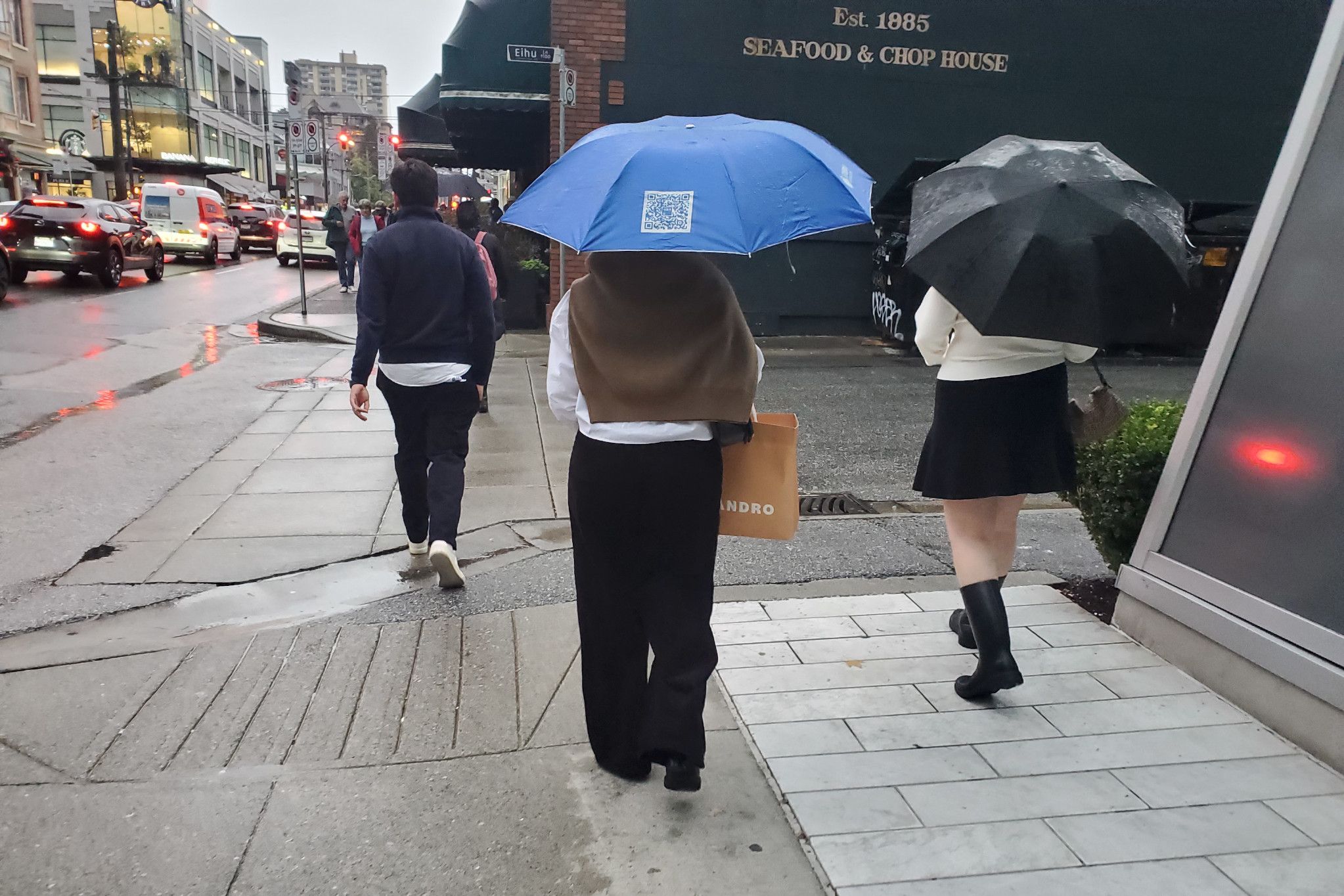
Municipal outdoor attractions and urban leisure operators rarely factor continuous rain into their base-case weekend yield models. Across Metro Vancouver, meteorologists at Environment and Climate Change Canada forecast sustained rainfall dominating the outlook from Monday, Nov. 23 through Friday, Nov. 27. The front delivers about 5 mm of precipitation alongside easterly winds of 20 km/h gusting to 40 km/h on Monday, before intensifying overnight with another 15 to 25 mm. Such forecasts illustrate the persistent operating risk facing seasonal service sectors across the Pacific Rim, where outdoor foot traffic underpins commercial viability.
Operators attempting to generate shoulder-season revenue confront immediate friction when prolonged wet fronts arrive. Rain continuing from Tuesday into the late week dampens footfall across metropolitan parklands and commercial strips, deferring high-margin casual spending. While ECCC notes skies may clear in time for the weekend with a chance of sunshine, leisure properties cannot recover midweek operational losses through a compressed two-day rebound. Staffing rosters, heating overheads and base maintenance costs remain fixed regardless of outdoor precipitation.
Capital Allocation Against Regional Rain Belts
Public and private capital commitments in coastal gateways continually face climate-driven utilization limits. Metro Vancouver recently saw a new $1-million viewing platform open in a busy local park, demonstrating sustained investment in civic visitor infrastructure. Yet physical infrastructure without roof cover generates zero ancillary retail return during severe downpours. When moisture sweeps across Canada’s Pacific coastline, outdoor civic installations sit largely idle while carrying ongoing debt-service costs and structural depreciation.
Extreme moisture also raises direct operational risks that travel across the broader Pacific basin. Late-year weather patterns carry significant downside, as shown when Reuters reported that torrential rains unleashed widespread flooding and evacuations across the Pacific Northwest in December. Event organizers, transport networks and regional hospitality groups face immediate insurance adjustments and cancellation claims when regional drainage thresholds fail. Commercial operators in Vancouver must therefore price weather contingency directly into their late-autumn business models rather than treating heavy precipitation as a brief inconvenience.
Eventual clearing over Saturday and Sunday offers momentary relief to regional ski operators and central business district venues. Even so, unpredictable precipitation corridors along the Pacific coastline leave thin operating margins behind. Commercial resilience now depends on whether operators can sustain five days of suppressed footfall for every two days of marginal clearing.
Sources
Newsletter
Pacific Daily
A curated briefing from Thailand, Asia-Pacific and the world.