The Appetite of Touring Power and the Fragile Economics of Neighborhood Tables
Celebrity patronage in Pacific Rim hubs confers sudden validation on local kitchens while laying bare how transient hospitality has become
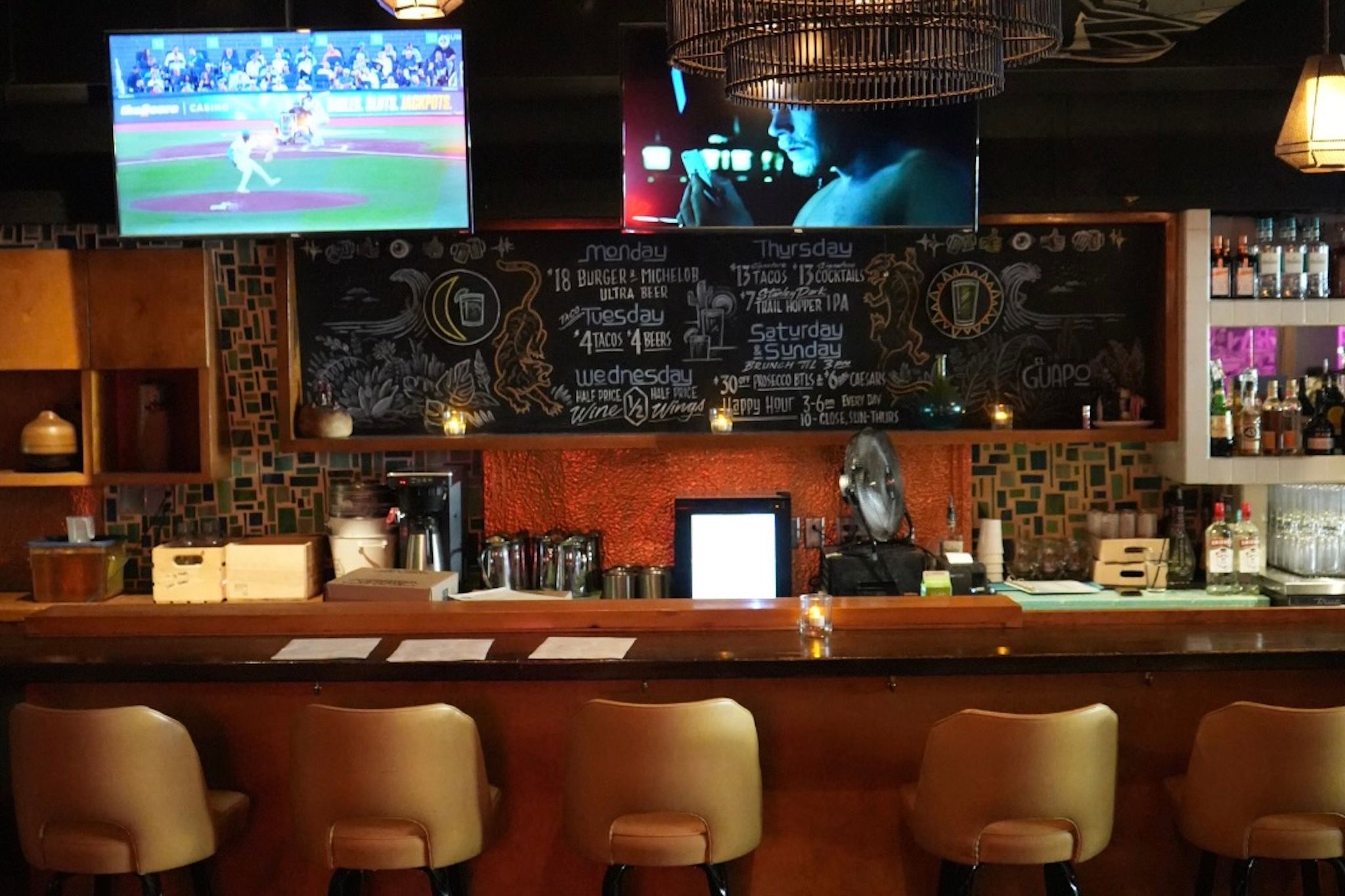
When an arena-filling performer sits down at an independent dining counter after midnight, the transaction appears casual enough to pass for ordinary leisure. Yet hospitality spaces along the Pacific Rim have long operated under a dual reality, where community dining habits built over decades intersect abruptly with the roving, high-velocity cultural capital of global entertainment tours. That friction became visible again in Vancouver, where pop vocalist Bruno Mars followed earlier reported visits to Vietnamese establishment Anh and Chi by arriving at El Guapo for a late private dinner with his touring band on a Saturday night after his concert on the 17th, returning the following Sunday evening accompanied by his opening act, Anderson.Paak, performing under the moniker DJ Pee.Wee.
Such unannounced appearances function as lightning strikes across local food scenes. General Manager Taylor Smith told Dished that the musician and his entourage arrived quietly, securing an intimate meal before Mars gifted a dozen concert tickets to the kitchen and floor staff. Smith remarked that the touring party proved exceptionally warm during both services. The immediate aftermath of such encounters, however, tends to shift the delicate balance of how neighborhood establishments survive and whom they actually serve.
The Validation Economy
Dining rooms in migrant-settled urban enclaves have traditionally derived their authority from generational repetition, family labor, and steady patronage by nearby working residents. In culinary hubs stretching from East Vancouver through California to Southeast Asian capitals, neighborhood food traditions have rooted themselves through consistent craft rather than fame. When international headliners circulate through these dining rooms, their informal presence suddenly converts modest neighborhood spots into global cultural coordinates.
They were an amazing group, very kind and very friendly, Smith said.
While an influx of public attention provides a welcome economic boost to kitchens navigating thin margins, it also disrupts the daily rhythm that sustains them. Commercial prestige often accelerates rent increases, draws transient foot traffic that displaces longtime patrons, and reshapes menus toward novelty rather than culinary permanence. The gift of a dozen arena tickets to waitstaff offers a generous individual gesture, yet it highlights the sheer disparity between the wealth generated by transnational stadium tours and the precarious wage structures of commercial kitchens operating underneath them.
Shifting Neighborhood Memory
Skeptics might argue that unscripted celebrity meals represent nothing more than harmless personal recreation, carrying no systemic weight beyond a brief spike in reservations and pleasant memories for the staff on duty. Kitchens require revenue to survive rising overheads, and turning away high-profile diners or downplaying their visits would defy basic business logic. Exposure in consumer food media can stabilize a small business during lean months, offering exposure that independent operators could never afford to purchase independently.
Yet the broader pattern across Pacific Rim metropolises suggests that when spontaneous celebrity visits become the primary measure of an eatery's cultural importance, the slower, uncelebrated labor of culinary preservation begins to fade from view. What gets preserved in that transition is the spectacle of exclusivity, while what quietly disappears is the affordable, unhurried hospitality that originally anchored the neighborhood. The tables where an ensemble unwinds after an arena spectacle remain fixed to the floor long after the stage lights depart, leaving local cooks and regular patrons to navigate the quiet, permanent reality of keeping the doors open.
Sources
Newsletter
Pacific Daily
A curated briefing from Thailand, Asia-Pacific and the world.