Material Memory at the Winter Table
Vancouver’s pairing of craft ceramics and heritage dining reflects how Pacific Rim restaurants anchor hospitality in physical permanence.
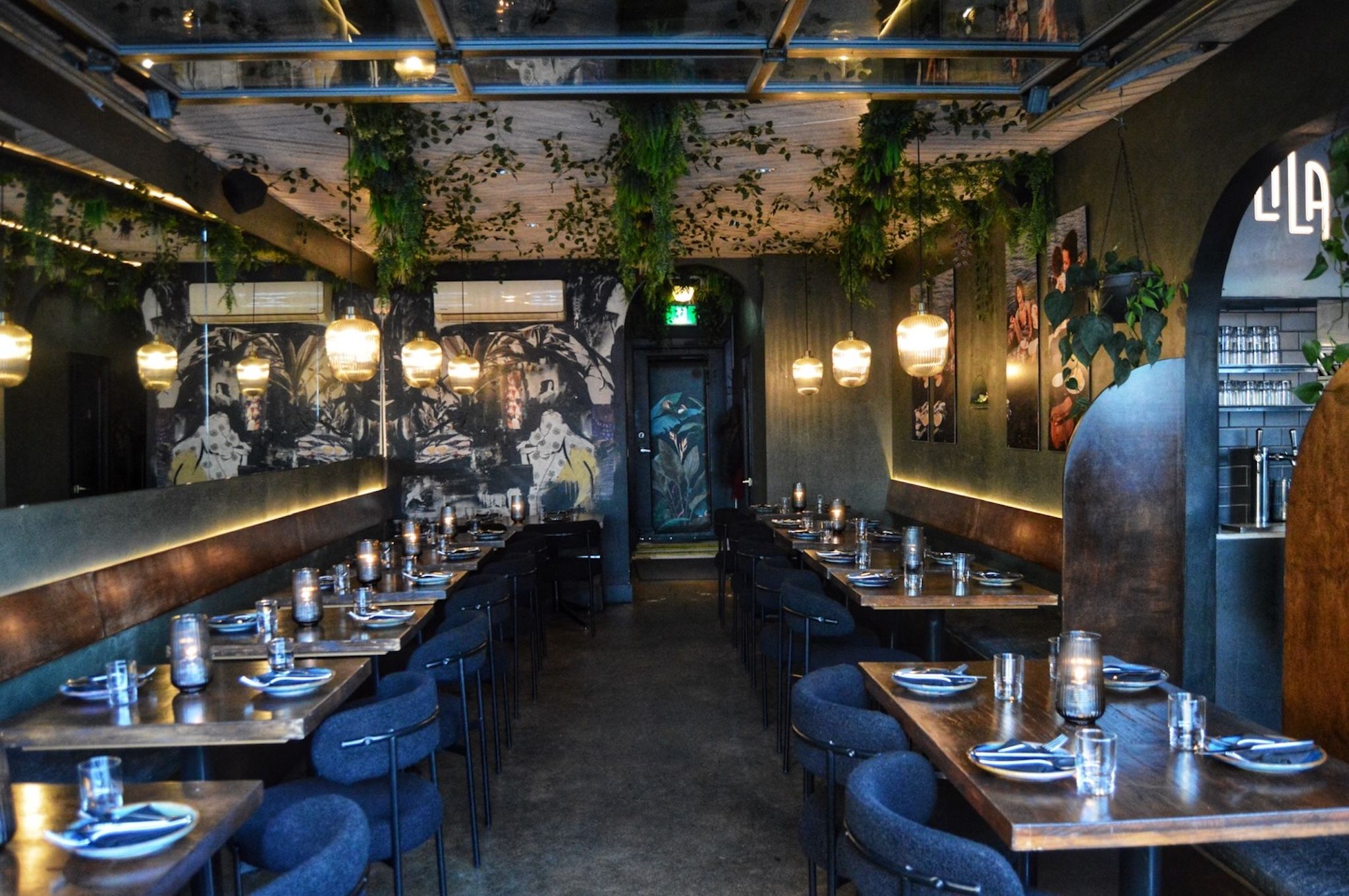
Early December along the northern Pacific Rim brings a decisive retreat inward. Coastal rain cools the streets of Vancouver, and urban dining rooms inevitably trade summer lightness for meals built around tactile warmth and communal platters. Against this seasonal withdrawal, Lila Restaurant has scheduled the return of Clay Collab from Dec. 1 to 3, as reported by Daily Hive Vancouver, staging a three-night series that deliberately links kitchen output to physical craft.
The format pairs a multi-course, family-style dinner with custom pottery produced by Vancouver ceramic artist Julia Chirka. Every ticketed guest takes home an exclusive handmade ceramic piece created by Chirka for the event. In the kitchen, Chef Meeru Dhalwala brings forward her Lamb Popsicles, accompanied by creamy fenugreek curried spinach and potatoes. Dhalwala created the dish at Vij’s almost 30 years ago, establishing a recognizable benchmark for contemporary Indian cooking in western Canada.
The Anchor of Tangible Craft
Contemporary dining in mature urban centres routinely contends with ephemerality. Pop-up concepts, digital reservation drops and fast-shifting tasting menus treat dinner as an experience consumed and immediately discarded. Kiln-fired pottery alters that calculation. Because a ceramic vessel carries physical mass, surface irregularity and heat retention, it forces diners to register the tangible mechanics of eating.
By ensuring patrons leave with a bespoke object, the event shifts the dining interaction from fleeting service to material custody. The food disappears; the bowl remains. In an era where culinary intellectual property circulates endlessly through digital imagery, a dense stoneware dish reasserts the stubborn value of physical presence.
Culinary Heritage in Shared Spaces
A parallel dialogue unfolds between physical craft and culinary continuity. Dhalwala’s decision to revive her signature lamb preparation introduces three decades of regional food history into Lila’s contemporary dining room. Reheating a recipe first composed at Vij’s nearly 30 years ago suggests that legacy cooking gains vitality primarily through active, communal service rather than static archival preservation.
Skeptics can reasonably interpret hybrid gatherings of this type as commercial maneuvers designed to stimulate midweek spending during the early winter lull. Bundling custom artwork into dinner inevitably risks blurring hospitality with retail merchandise, especially if the collaboration leans heavier on promotional novelty than on kitchen discipline.
Yet the underlying appeal points to an enduring seasonal habit. Winter dining seeks tactile reassurance. Gathering across shared platters resting on Chirka’s stoneware surfaces, patrons find that the combined weight of handmade pottery and a thirty-year-old regional recipe answers a collective appetite for permanence.
Sources
Newsletter
Pacific Daily
A curated briefing from Thailand, Asia-Pacific and the world.