Maritime Rituals and Pacific Geopolitics
The formal launch of the 2026 Rolex Sydney Hobart highlights how offshore prestige navigates shifting regional waters
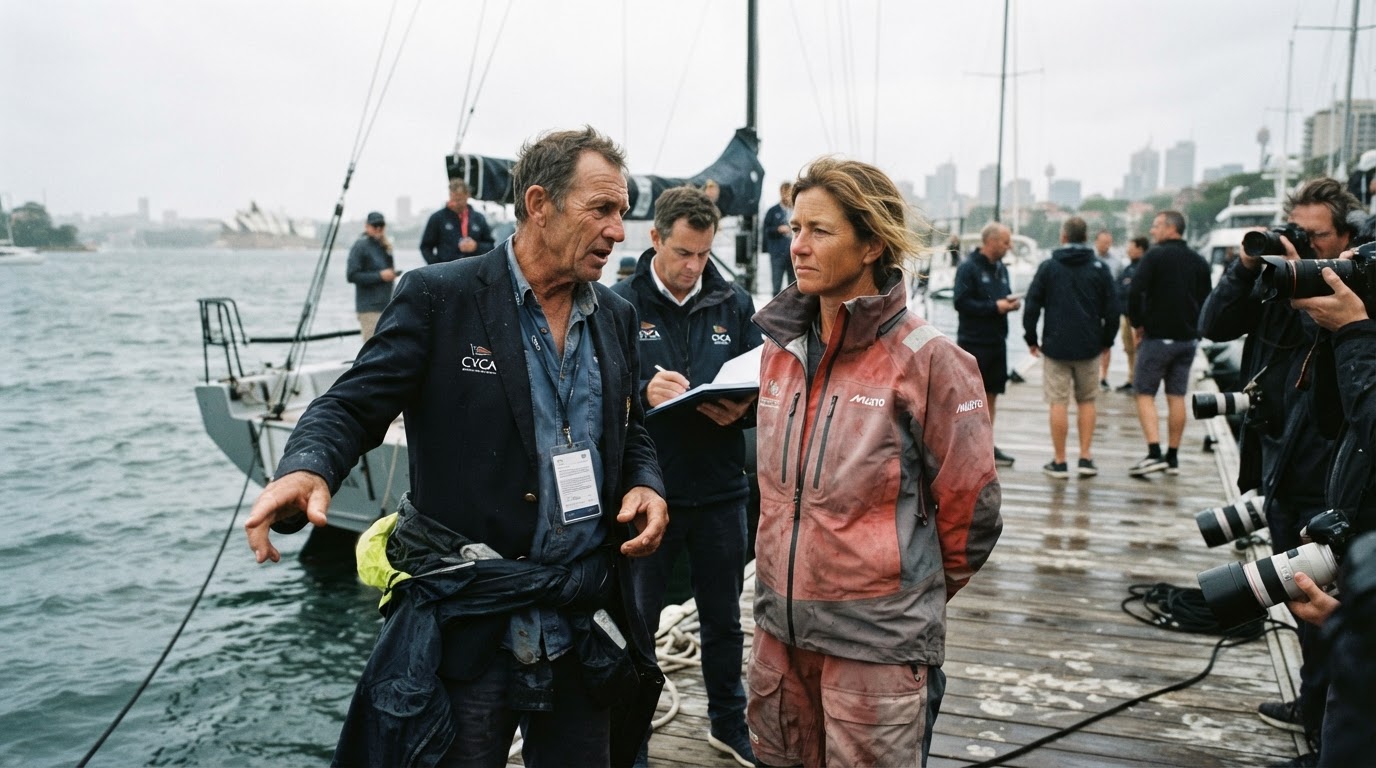
Offshore racing traditions celebrate individual endurance against volatile oceans, yet ocean governance increasingly mirrors strategic rivalries charted far inland. When the Cruising Yacht Club of Australia initiated proceedings for the 2026 Rolex Sydney Hobart, the sporting agenda retained its customary language of individual glory and maritime grit. Parallel across the Pacific, maritime access and historical memory have become arenas of state competition rather than purely athletic spectacle. The contrast reveals a durable friction across the southern waters: sporting institutions continue to treat the ocean as neutral canvas, while regional capitals treat every maritime corridor as strategic terrain.
Tradition has long shielded major oceanic regattas from broader diplomatic scrutiny. For decades, blue-water racing stood as an insular exercise in seamanship, technical mastery, and elite private sponsorship. Organisers framed deep-water passages strictly as physical challenges, disengaged from the sovereign anxieties shaping coastal neighbours. That isolation is wearing thin. Pacific waters now register intensified surveillance, contested passages, and renewed focus on maritime pasts. As institutions like the Cruising Yacht Club of Australia maintain annual calendars established generations ago, the geopolitical significance of their operating theatre expands beyond recreation.
Shifting Southern Corridors
Regional history itself has turned into an active diplomatic instrument across Oceania. Official historical documentation registers continue to record regional heritage, reflecting an appetite among Pacific states to formalise maritime claims and historical legacies. In diplomatic discourse, analytical assessments note deliberate strategic pivots across Pacific waters where historical narratives define bilateral alignments. The sea lanes that recreational navigators parse for prevailing winds and tidal currents are simultaneously being mapped by state strategists assessing logistical vulnerability.
This convergence presents an awkward reality for long-distance racing. A blue-water route across Australian waters does not exist in isolation from wider regional dynamics. Even as fleets focus strictly on technical navigation and structural safety, the logistics and cultural authority of Pacific voyaging intersect with broader regional conversations about maritime stewardship. Elite sports administrators assume their historical status guarantees continuity. That assumption ignores how rapidly the surrounding oceans are being politicised by state actors seeking maritime leverage.
The Commercial Edge of Seamanship
Sponsors and host organisations inevitably view high-profile races through commercial continuity. Spectacle drives sponsorship value, reinforcing maritime mythology while leaving broader economic and political dependencies unexamined. Long-distance ocean racing depends heavily on private capital and specialised maritime infrastructure concentrated along prosperous coastlines. Those resources remain far removed from developing Pacific communities that bear immediate environmental consequences along exposed shores.
Institutions organizing the Rolex Sydney Hobart manage an event steeped in historical prestige, but coastal resilience in the wider Pacific depends on diplomatic stability rather than offshore recreation. Recreational fleets operate across sea corridors where regional states negotiate maritime boundaries and resources. The sport celebrates mastery of oceanic elements while remaining indifferent to the state power structures that define sovereign waters.
Navigating these contradictions leaves regional sporting bodies in an ambivalent position. The Cruising Yacht Club of Australia can sustain its premier event through meticulous operational planning and historical pedigree. Yet as maritime corridors across the Pacific become more heavily contested, running prestigious regattas without engaging regional ocean politics becomes an increasingly fragile posture. The Southern Ocean continues to challenge human endurance, but the human agreements governing oceanic transit face mounting pressure.
Sources
Newsletter
Pacific Daily
A curated briefing from Thailand, Asia-Pacific and the world.