Sailing Circuits and the Logistics of Global Regatta Scheduling
Rio hosts opening races for Copa do Mundo da Vela as maritime competition structures test municipal infrastructure and international capital commitments
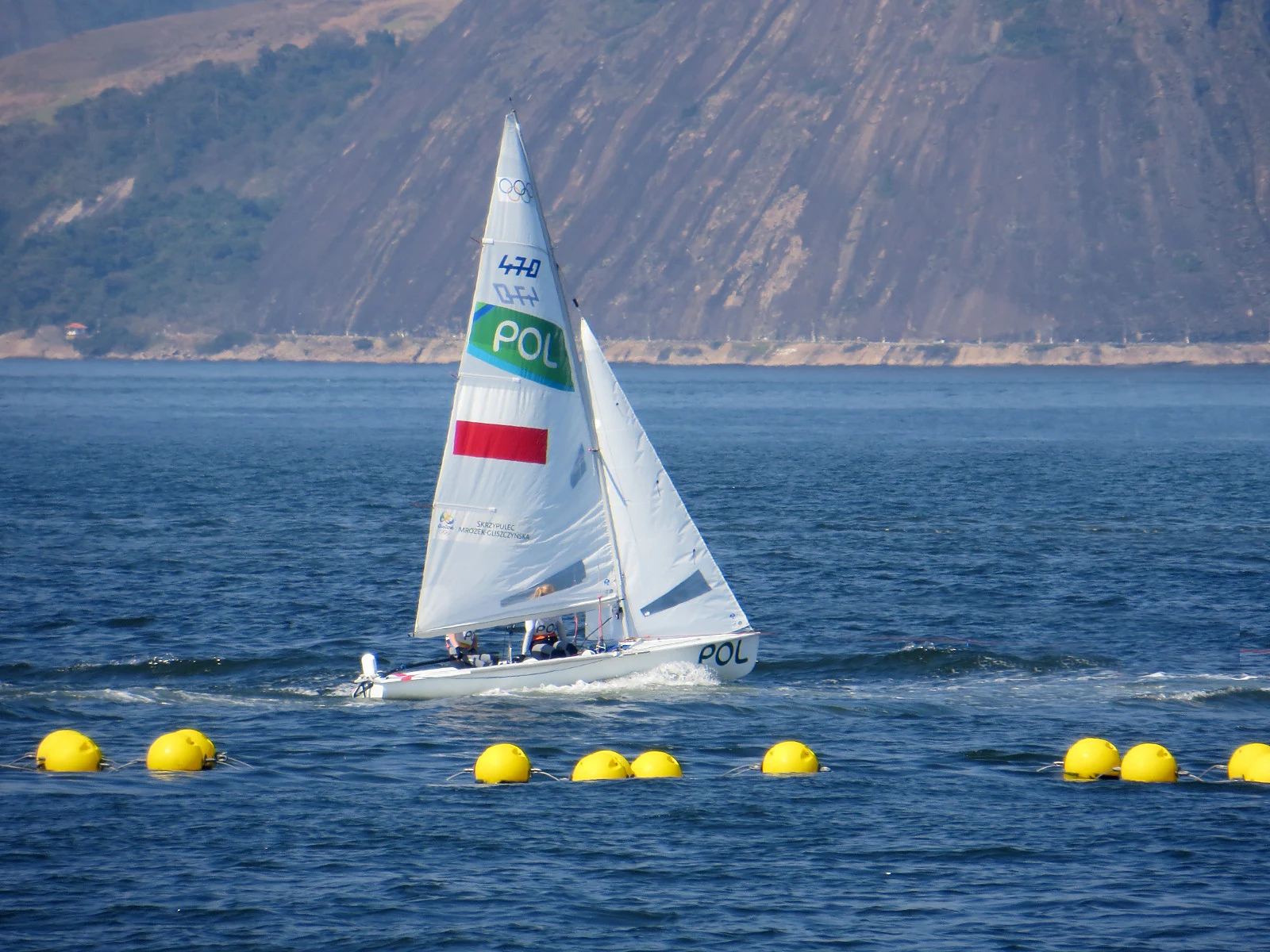
Global sporting calendars depend on logistical choreography that receives minimal scrutiny until operations commence on water. Competitors completed preparatory qualifying rounds, assembled across an event village, and concluded their Opening Ceremony before racing began at Copa do Mundo da Vela Day 1. The formal draw determined team allocations across each Group, shifting months of administrative arrangement into direct athletic contention across Rio waters.
Behind these initial fixtures lies an established economic mechanism governing international regattas. Host jurisdictions absorb substantial expenditure preparing dedicated waterfront compounds and managing customs protocols for specialized maritime freight. Municipal authorities justify these commitments through projected commercial activity and long-term brand equity, yet private logistics networks capture the immediate liquidity generated during setup. Transporting teams, technical support staff, and delicate hulls across continents generates reliable returns for freight intermediaries regardless of spectator attendance.
Capital Flows and Structural Overheads
Regional sporting bodies frequently view these staging commitments as instruments for downstream commercial investment. Emerging coastal economies in the Pacific trade basin increasingly compete for calendar dates, viewing waterfront sports infrastructure as catalyst funding for broader harbour renewal. When international fleets convene in established venues like Rio, operational outcomes provide an empirical benchmark for Asian port authorities contemplating similar bids.
Sustained revenue generation from elite sailing rarely mirrors municipal projections. While organizers celebrate tight battles on course, municipal accounts face the depreciating assets of specialized pontoons and restricted harbour access. Commercial sponsors prioritize digital broadcast rights and corporate hospitality enclosures, insulating event owners from the physical maintenance costs borne by local administration. Public budgets underwrite civil security, maritime channel clearing, and shorefront installations while private federations retain centralized broadcasting and licensing receipts.
Competitive Alliances and Calendar Constraints
Skeptics argue that high-performance regattas remain self-contained exhibitions with negligible structural impact on municipal balance sheets. Proponents maintain that successful execution demonstrates municipal administrative competence, facilitating future maritime commerce and foreign direct investment. Both perspectives address legitimate facets of event economics, but neither resolves the fundamental asymmetry between municipal capital expenditure and commercial rights distribution.
Long-term viability across international sailing circuits ultimately hinges on whether host cities continue absorbing front-end coordination burdens. As transport tariffs fluctuate and public capital projects confront stricter fiscal oversight, international federations must prove that staging major group competitions delivers measurable domestic utility. The technical races underway in South America highlight how modern sporting diplomacy operates, balancing fragile municipal balance sheets against the relentless logistical demands of global competition schedules.
Sources
Newsletter
Pacific Daily
A curated briefing from Thailand, Asia-Pacific and the world.