Lower-Cost Jet Tenders to Strain Asia's Marine Infrastructure
Williams' new TurboJet MX range, designed for a broader market, will increase vessel density and accelerate existing infrastructure challenges in key yachting hubs.
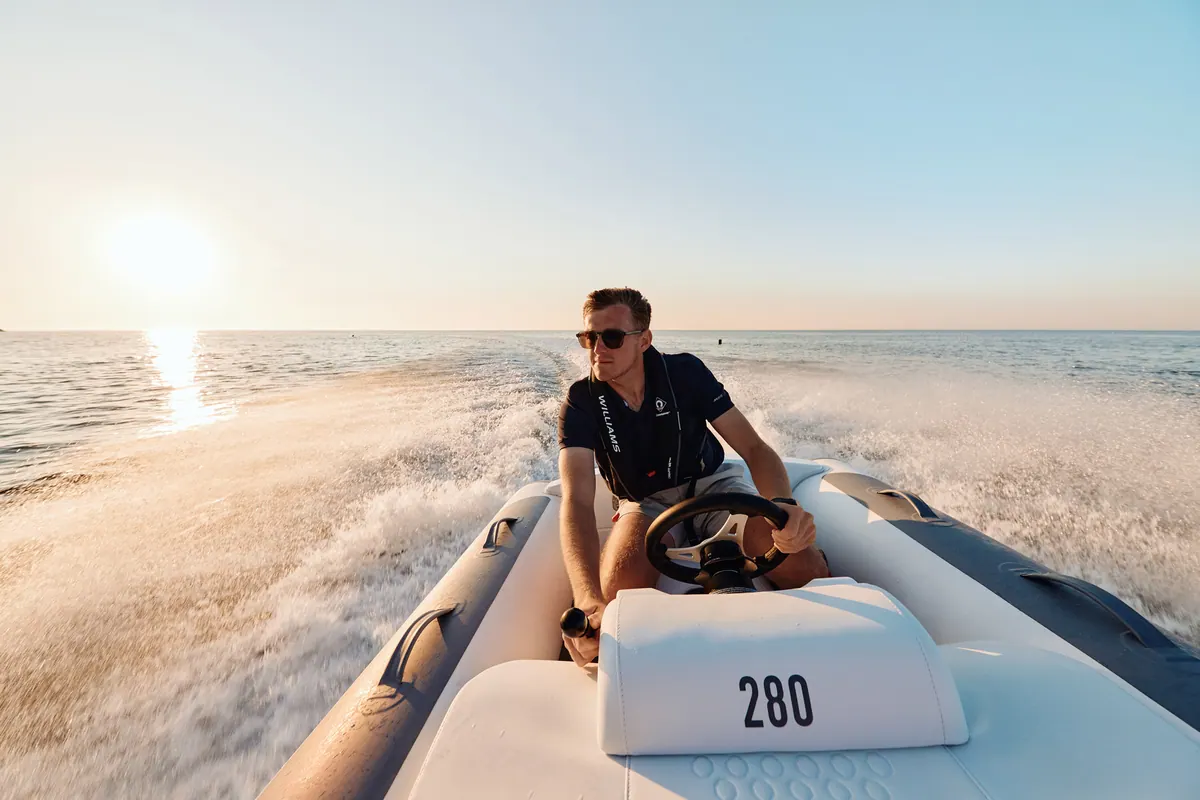
Williams Jet Tenders’ introduction of the TurboJet MX range, offering new models at a lower price point, presents a shift in the marine tender market. This strategic move is intended to broaden the appeal of performance-focused tenders beyond the superyacht segment. For regions like Thailand and the wider Asia-Pacific, where marine tourism and yachting are growing, this development carries implications for operational stability and infrastructure.
The core of the TurboJet MX strategy is price accessibility. By lowering the entry barrier, Williams Jet Tenders aims to expand its customer base. This will likely translate to an increased volume of tenders in circulation, particularly among owners of smaller yachts or those new to the yachting lifestyle. The immediate operational consequence of more tenders, especially in popular yachting destinations, is increased demand on mooring facilities, fueling stations, and service technicians. Current infrastructure in many Asian marine leisure hubs, such as Phuket or Bali, already faces capacity issues during peak seasons. More tenders will exacerbate congestion in marinas and anchorages.
Servicing these additional vessels will also become a critical concern. While the company is launching new models, the fact sheet does not indicate a corresponding expansion of service networks or spare parts availability in the Asia-Pacific region. Without such an expansion, increased tender usage will likely lead to longer repair times and potential operational disruptions for owners. This could be particularly pronounced for performance-focused designs, which often require specialized maintenance.
The operational challenge posed by a wider distribution of jet tenders will impact service networks and limited mooring capacity.
Some might argue that increased tender sales will spur investment in marine infrastructure, leading to necessary upgrades. This is a plausible long-term outcome. However, the pace of infrastructure development, particularly public and private marina expansion, typically lags behind immediate demand spikes. Permitting, land acquisition, and construction timelines mean that infrastructure improvements are not instantaneous solutions to a sudden influx of vessels. The immediate period will be characterized by increased operational stress before any significant mitigating investments materialize.
The primary constraint that remains unresolved is the existing capacity of marine infrastructure – both physical and service-oriented – relative to an expanding user base. The outcome depends on how quickly and effectively regional governments and private operators adapt to this higher density of smaller, performance-oriented vessels.
Sources
Newsletter
Pacific Daily
A curated briefing from Thailand, Asia-Pacific and the world.