Lanna Rising: Chiang Mai's Renaissance of Tradition and Innovation
A new generation breathes vibrant life into ancient Lanna culture, proving sustainability isn't just about the environment—it's about heritage.
CHIANG MAI
Chiang Mai has long been the spiritual heart of northern Thailand, a city synonymous with misty mountains, gilded temples, and a pace of life distinctly different from the clamor of Bangkok. Yet, beyond the well-trodden tourist paths, a profound cultural renaissance is unfolding, driven by a generation determined not just to preserve their Lanna heritage, but to actively reinvent it.
As a sustainability correspondent, my focus often lies in environmental stewardship. But true sustainability, I've come to understand, encompasses the preservation of culture and identity. In Chiang Mai, this isn't a passive act of remembering; it's a dynamic, entrepreneurial movement that fuses ancient artistry with contemporary relevance.
Take, for instance, the resurgence of natural indigo dyeing. Once a cornerstone of Lanna textile production, it had largely faded in the face of cheaper, synthetic alternatives. Today, young designers like Supawadee Phala, founder of Studio Naenna, are meticulously reviving these labor-intensive techniques. Her workshops, nestled in the city's verdant outskirts, are not merely production sites but educational hubs, teaching a new generation the intricacies of fermenting indigo leaves, the precise timing for dipping fabrics, and the artistry of shibori and mud resist patterns. This isn't just about creating beautiful garments; it's about reconnecting with sustainable agricultural practices and ethical craft, ensuring the knowledge doesn't die out.
The culinary scene, too, is a crucible of Lanna revival. While traditional Northern Thai fare has always been popular, a wave of chefs are elevating it, presenting ancient recipes with modern flair and an emphasis on locally sourced, often organic, ingredients. Restaurants like 'Ginger Farm Kitchen' exemplify this, turning humble dishes like Khao Soi and Sai Oua into culinary statements, often served in settings that blend traditional Lanna architecture with minimalist design. This approach not only tantalizes the palate but also supports local farmers and reinforces a farm-to-table ethos that is inherently sustainable.
"To truly understand Lanna is to experience its rhythm, its textures, and its stories. We're not just selling products; we're sharing a legacy."
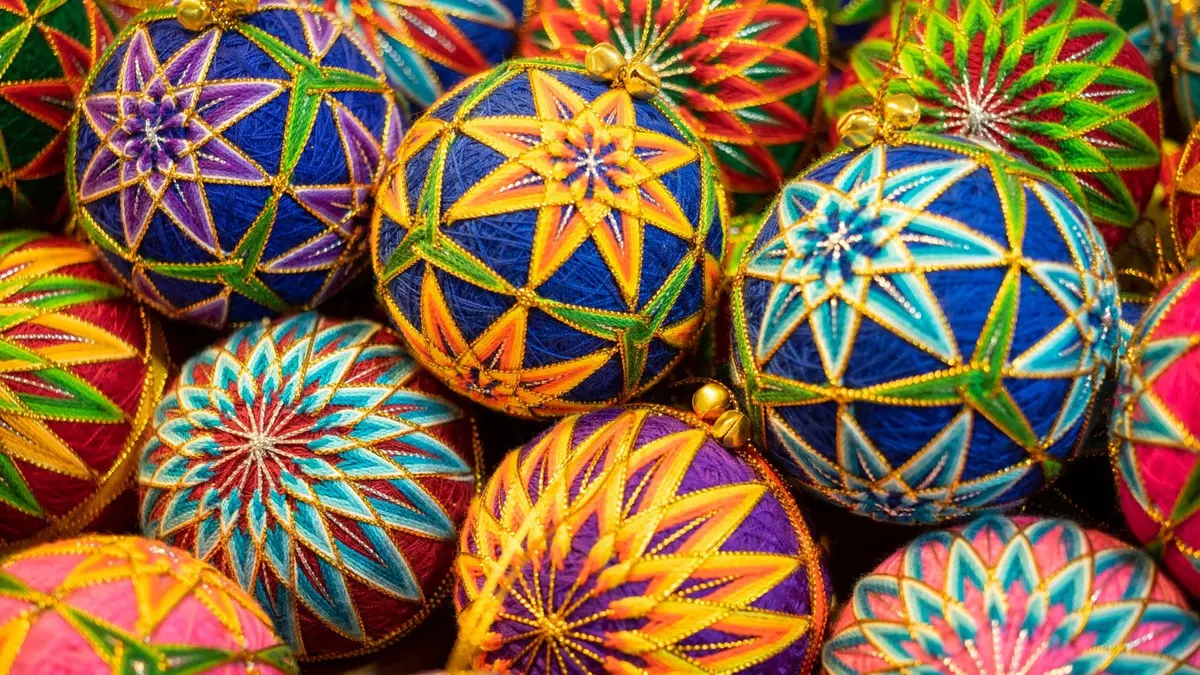
The craft sector provides some of the most compelling evidence of this renaissance. The bustling Wualai walking street, traditionally known for its silversmiths, now buzzes with stalls showcasing an array of Lanna-inspired crafts – from intricate wood carvings reinterpreted for modern homes to ceramics fired using ancestral methods but designed with contemporary aesthetics. What sets this apart from mere souvenir production is the palpable sense of pride and ownership. Artists are not simply copying old forms; they are infusing them with personal narratives and innovative functionality. The Nampun Ceramic Studio, for instance, is making waves by handcrafting tableware that respects ancient Lanna motifs while fitting seamlessly into global design trends. This fusion makes their pieces not just beautiful, but relevant and desirable to a wider, younger audience.
Even in the performing arts, there's a concerted effort. Traditional Lanna dance and music, once relegated to tourist shows, are finding new platforms. Young musicians are blending ancient Lanna instruments with contemporary genres, creating fusion sounds that are both authentic and accessible. The 'Lanna Folk Music Festival', though still nascent, is a testament to this vibrancy, drawing in local youth and international visitors alike, keen to witness the evolving soundscape.
What makes Chiang Mai's cultural renaissance particularly sustainable is its grounding in genuine community engagement and economic empowerment. These aren't isolated projects but interconnected initiatives that create value for local artisans, farmers, and entrepreneurs. By making Lanna culture economically viable and aesthetically appealing to a modern audience, this new generation ensures its continuity. It’s a powerful lesson: culture isn't a static relic to be admired from afar; it's a living, breathing entity that thrives when nurtured, challenged, and allowed to evolve. Chiang Mai is not just preserving its past; it's actively shaping its future, one beautifully crafted indigo textile, one delicious Khao Soi, and one soulful melody at a time.
Newsletter
Pacific Daily
A curated briefing from Thailand, Asia-Pacific and the world.