Kyiv's Rejection of US Leadership Call Signals Sovereignty Test Amid Conflict
Kyiv's pushback on a reported US suggestion for new Ukrainian presidential leadership highlights the persistent tension between international support and national autonomy during wartime.
SINGAPORE
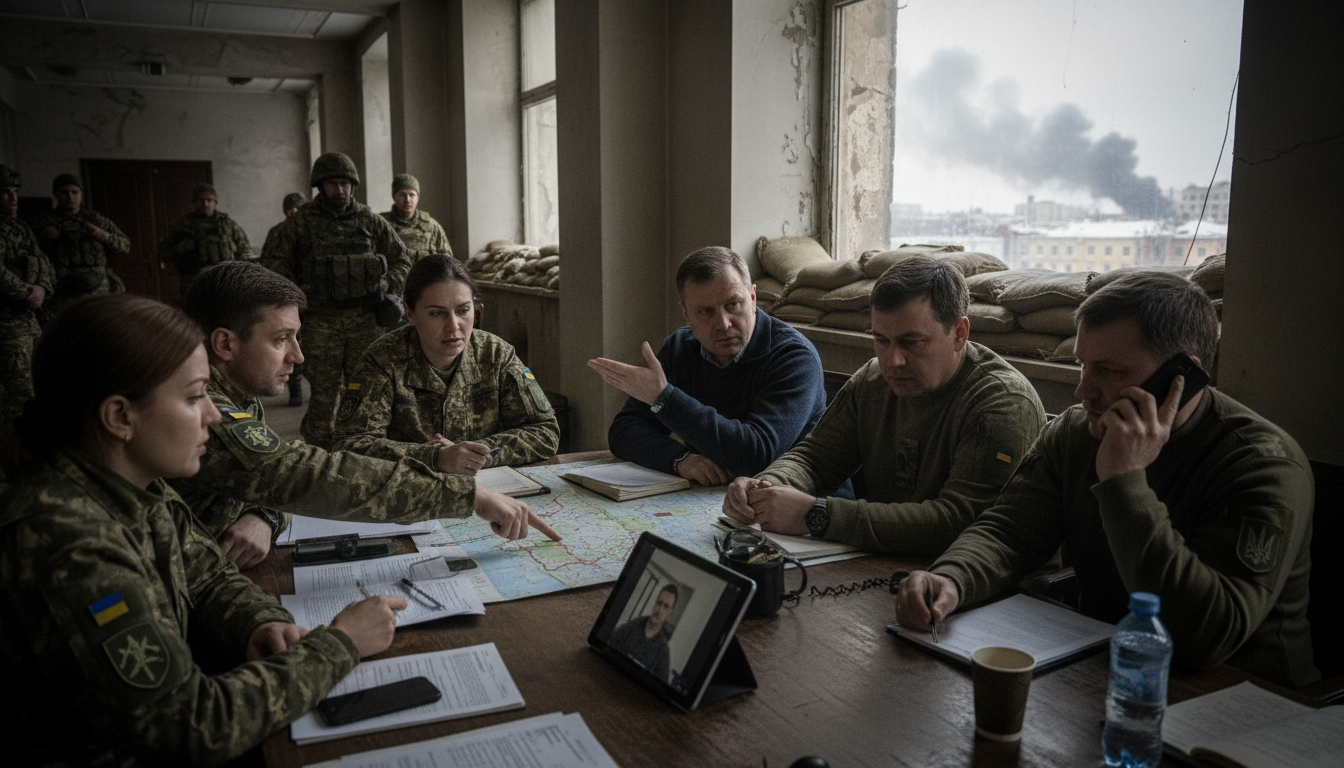
Kyiv has pushed back on a US call for a new Ukrainian president. This reported position from the United States emerges as Russian actions continue to disrupt infrastructure within Ukraine. Russia's attacks have affected internet services to 100,000 households in Kyiv, according to the Ukrainian ministry. This diplomatic exchange reflects underlying tensions regarding future leadership in Ukraine, with implications for its international backing.
Senators previously pushed the Trump administration to act swiftly on Russian sanctions to help Ukraine, indicating a consistent but varied US focus on the conflict. Diplomatic efforts, such as US envoys hoping for new Ukraine-Russia talks after visits to both capitals, demonstrate attempts at resolution. However, a direct suggestion for new leadership, if confirmed, shifts the nature of international engagement from external support to internal political pressure.
The stated US position and Kyiv's reaction highlight a potential divergence in strategic objectives between allies. Such developments can influence how other nations perceive the stability of alliances and the reliability of external support in geopolitical flashpoints. For countries in the Asia-Pacific region, this situation offers a case study in managing powerful external partners while navigating internal political realities and external threats. The principle of national sovereignty, often central to regional diplomatic discourse, is tested when external powers suggest changes in leadership.
While this particular issue centers on Ukraine, its underlying dynamics — external influence on national leadership and a country's assertion of its sovereign right to self-determination — resonate globally. The regional implications for Southeast Asia, specifically Thailand, are indirect but present. Nations in this region often balance relationships with major global powers. Any perceived overreach by one power, or resistance from another, sets precedents for diplomatic conduct and expectations of autonomy. The current instance does not involve a direct threat to Thailand or its neighbors, but it offers insight into the complexities of power dynamics that could influence future regional stability.
The immediate impact on trade and consumption figures for Southeast Asia is unlikely to be measurable. The core issue remains diplomatic. The pushback from Kyiv may underscore the limits of external leverage, even from critical allies. It suggests that while international support is crucial for Ukraine's defense against Russia, the ultimate decisions about its internal political future are fiercely guarded. The outcome now depends on the extent of the United States' continued insistence and Kyiv's resolve.
Sources
Newsletter
Pacific Daily
A curated briefing from Thailand, Asia-Pacific and the world.