Industrial Land and the Looming Cost of Computing in Thailand
Developer WHA moves to pre-empt incoming efficiency standards as digital infrastructure confronts physical limits
SINGAPORE
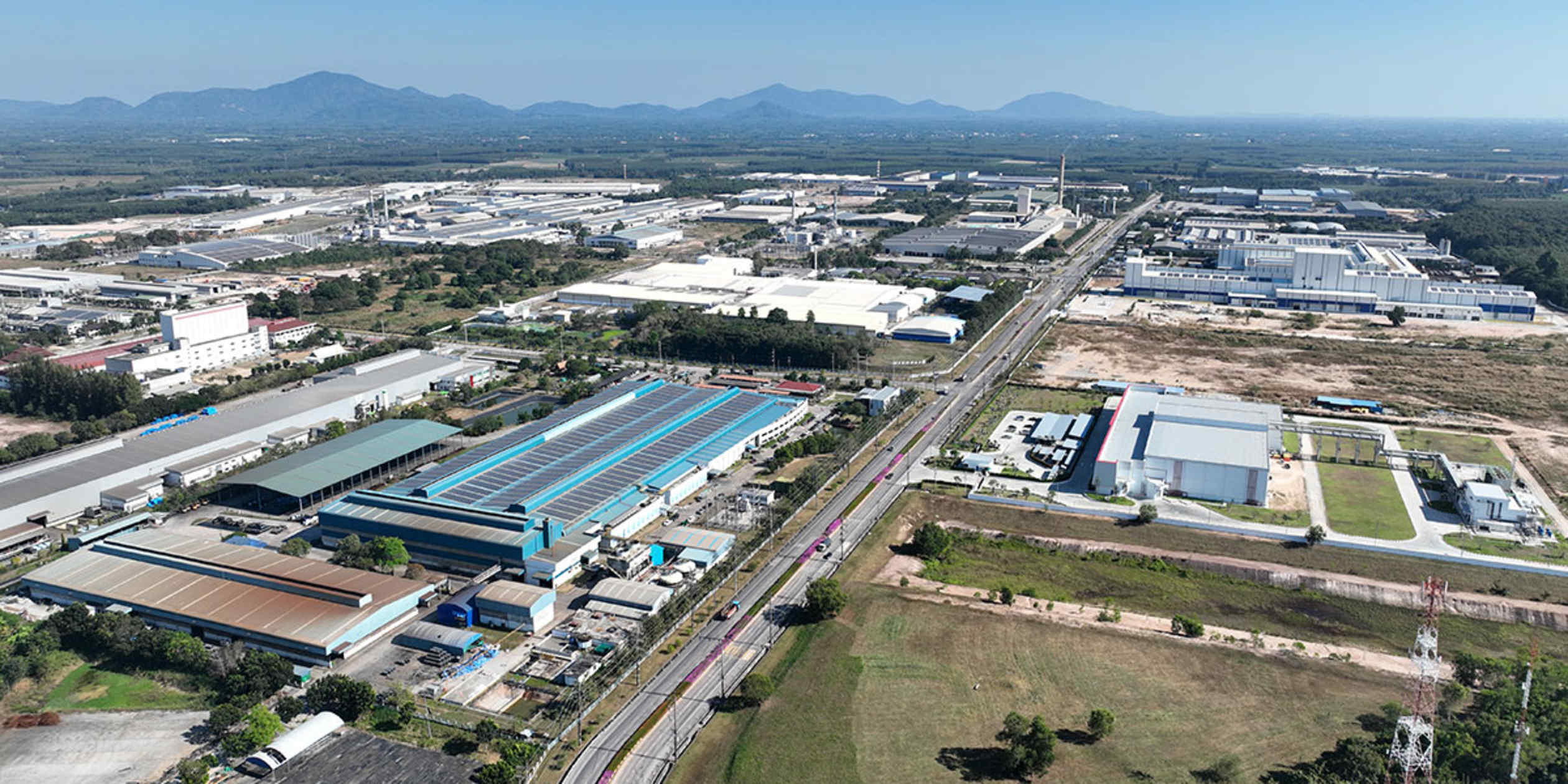
Power lines and drainage conduits dictate the boundaries of factory development long before any architectural rendering appears. When Thai industrial land developer WHA moved to plan efficient data center parks ahead of pending regulatory rules, the calculation reflected a familiar commercial habit. Moving early allows a dominant land operator to lock down high-capacity utility corridors before state authorities restrict access.
Server halls demand constant electricity and heavy liquid cooling around the clock. In an industrial corridor, an assembly plant runs machinery on predictable work shifts, whereas a server facility operates as a continuous thermal engine. Pumping millions of litres of water through heat exchangers and drawing steady base-load power places an unprecedented strain on shared feeder lines. Developers planning purpose-built parks around efficiency standards are not pursuing an abstract environmental goal. Their immediate objective is securing dedicated grid access, high-voltage transformers, and water rights before statutory quotas freeze allocation.
The Infrastructure Balancing Act
State regulators rarely move ahead of infrastructure stress. Rules arrive after regional substations flicker or farming communities complain about falling water tables. By anticipating new standards, commercial estate builders insulate their balance sheets from costly retrofits while presenting turnkey parcels to multinational technology tenants. Early capital outlays buy regulatory peace of mind.
Yet this positioning shifts physical burdens across the perimeter fence. Land, water pipes, and power cables remain finite communal assets. When private estates reserve dedicated high-tension corridors and deep cooling lines, adjacent farming tracts and conventional workshops must manage on whatever carrying capacity remains. Infrastructure shaped around digital storage risks driving up tariff pressures for surrounding neighbourhoods during seasonal heatwaves.
Corporate planners argue that integrated parks prevent such friction. Building communal cooling loops, underground utility trenches, and high-efficiency substations at the outset avoids the haphazard installations that overload public networks. From the developer's viewpoint, front-loading the cost of efficiency protects national grids and provides state agencies with a functional blueprint for modern industrial planning.
Pre-Emption and Public Interest
That defense holds only if private efficiency targets reflect community carrying capacities rather than commercial convenience. Once a major developer builds out the transformer bays and cooling circuits according to its own engineering choices, state officials face a fait accompli. Rulemakers drafting statutory codes often adopt the technical baselines already poured into the concrete, mistaking corporate self-interest for a national standard.
Behind technical announcements about efficiency lies an unresolved struggle over shared resources. Thailand wants foreign investment in computing networks, but server racks rely on land, river water, and electrical current that cannot expand on command. Pre-emptive private planning guarantees stable operations for well-capitalised industrial parks. Meanwhile, the surrounding public infrastructure bears the quiet, daily cost of whatever inputs those server banks leave behind.
Sources
Newsletter
Pacific Daily
A curated briefing from Thailand, Asia-Pacific and the world.