Cross-Border Runoff and the Limits of Bilateral Leverage
Diplomatic representations over mining waste will achieve little without enforceable environmental mechanisms along shared waterways
SINGAPORE
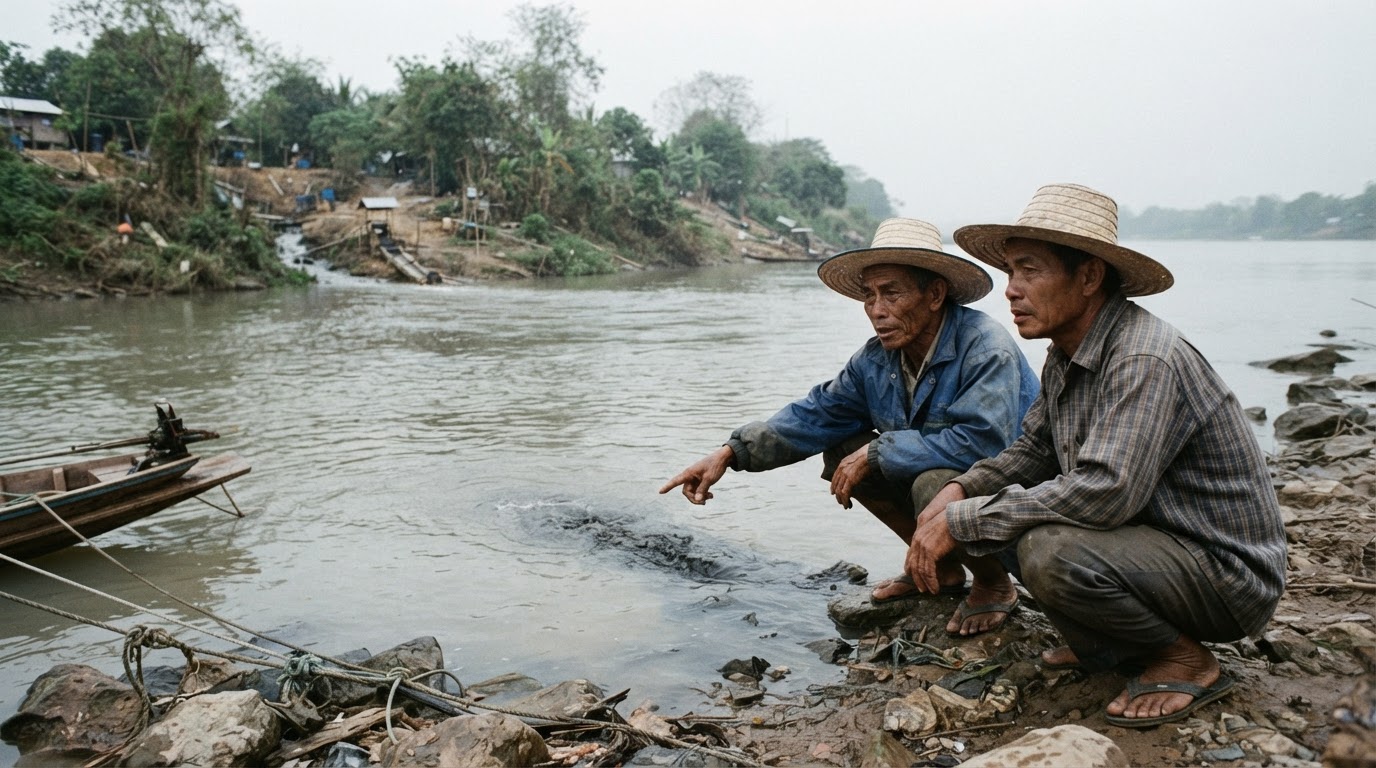
Chemical runoff does not pause at border markers. According to reporting by The Hindu, Thailand has pressed Myanmar over mining pollution following the detection of arsenic in shared water channels. The dispute lays bare an acute governance problem along Southeast Asian frontiers: downstream settlements inevitably absorb the physiological and economic shocks when upstream extractors wash toxic mineral residues into natural currents.
Water moves fast. Diplomacy does not.
Industrial mining relies heavily on chemical extraction that dislodges heavy metals from ore bodies. When processing wash reaches rivers, arsenic binds to suspended silt and enters the broader hydrological cycle. For villages relying directly on stream flow for domestic consumption and agriculture, such discharge turns surface water into a persistent health hazard. The physical trajectory of the contaminant leaves little room for downstream mitigation once the plumes enter active currents.
By formally raising the matter with Myanmar, Thai authorities have chosen conventional state-to-state channels to seek accountability. Bilateral engagement is understandable as a first step. Diplomatic notes and ministerial appeals respect sovereign boundaries, offering a formal channel to seek operational reviews without escalating border tensions into wider confrontation. Proponents of diplomatic dialogue rightly point out that official talks remain the only established framework for sovereign states to register cross-border grievances.
Yet bilateral correspondence alone cannot clean an intake pipe. In practical terms, Myanmar’s mining operations frequently sit in peripheral territory where administrative enforcement is weak, meaning central authorities in Naypyidaw may have limited capacity or appetite to halt profitable extraction on Thailand’s say-so. A diplomatic demarche delivered in an administrative capital cannot substitute for real-time monitoring stations, independent tailing dam inspections, or binding financial liability for cross-border contamination. The structural mismatch is stark: while mining operators upstream convert river resources into private revenue, downstream communities shoulder the physical burdens of filtration, medical monitoring, and degraded soil.
Upstream Riches and Downstream Debts
Transboundary pollution thrives in regulatory blind spots. When mining waste crosses a border, the state producing the discharge rarely pays for the damage it exports downriver. Downstream governments find themselves compelled to fund emergency water treatment and alternative municipal supplies out of their own public budgets, effectively subsidising the unregulated practices of foreign mining operations.
Bilateral appeals over mining waste will remain an exercise in bureaucratic repetition until regional agreements incorporate enforceable water-quality standards and rapid-response investigative mechanisms. Without joint oversight along vulnerable river basins, cross-border rivers will continue to serve as unmonitored conduits for industrial poisons, leaving border populations to manage the hazardous fallout of unpoliced upstream extraction.
Sources
Newsletter
Pacific Daily
A curated briefing from Thailand, Asia-Pacific and the world.