A Stray Mortar in Maha Wan Tests the Limits of Border Containment
Warning rounds fired toward Myanmar demonstrate the tension between military rules of engagement and the reality of border spillover.
SINGAPORE
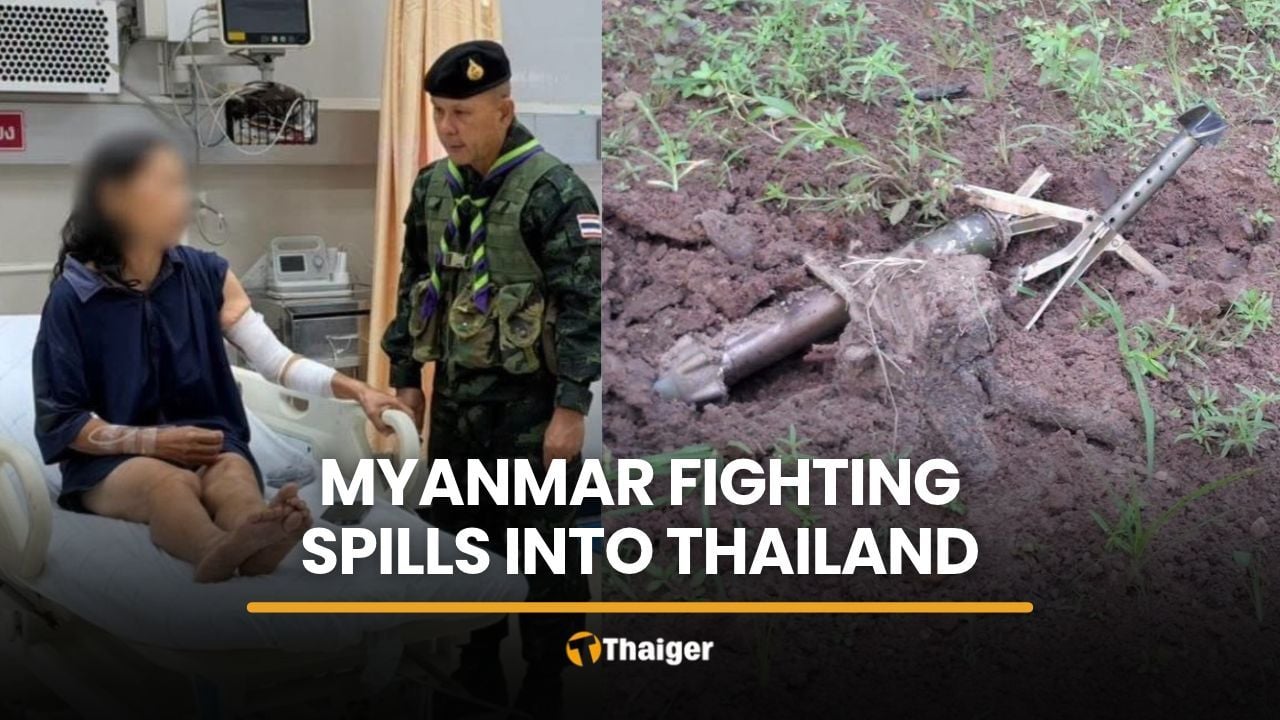
When an artillery round hits a residential roof early in the morning, the strategic language of national defense reduces to immediate domestic ruin. In Maha Wan subdistrict on October 29, a mortar round penetrated the ceiling of a private home, setting the structure on fire and inflicting shrapnel wounds on the arm of fifty-five-year-old resident Lamyong while she sheltered inside. Stray shells and heavy gunfire damaged more than twenty other homes in Mae Sot during the same engagement. Across the frontier in Myawaddy, near Min La Pan village, Myanmar government troops and resistance forces had resumed fighting with heavy weapons. For the people living on the Thai side of the boundary line, the clash meant spending a Tuesday morning calculating whether concrete walls could withstand incoming munitions.
The military response from the Thai side was swift and strictly calibrated. Troops belonging to the Ratchamanu Task Force fired two warning rounds across the border into Tak province border areas to signal that cross-border munitions would not be overlooked. Under established Rules of Engagement, warning shots demonstrate readiness to defend territorial sovereignty without immediately dragging national forces into a wider cross-border battle. Officials rely on these protocols to communicate deterrence across a contested perimeter. The operational reality of modern border skirmishes, however, reveals a persistent gap between formal military procedure and the daily safety of civilian households.
The Limits of Deterrence
Military doctrine treats stray fire as a diplomatic and tactical breach, addressing it through standard ROE signals designed to deter armed incursions. Firing two warning shells warns combatants that sovereign lines exist and that armed overreach carries consequences. Yet this signaling assumes that the combatants engaged across the border can accurately control their heavy weaponry amid volatile combat conditions. When resistance units and state soldiers trade heavy weapons near Min La Pan, combat survival overrides diplomatic sensitivities. A warning shot fired into open ground does not adjust the trajectory of a poorly targeted mortar round once it leaves the tube.
The burden of that operational mismatch lands directly on local residents. In Mae Sot, border warfare is not an abstract concept discussed in government briefings, but an intrusion that dictates daily movement and physical safety. Sheltering in a back room provides scant protection against explosive fragmentation, as Lamyong discovered before receiving transport to Mae Sot Hospital. More than twenty damaged dwellings in a single morning represent substantial community disruption. Replacing shattered roofing tiles, repairing burned timber frames, and living with the anxiety of repeated strikes transform an ordinary border district into an involuntary perimeter zone.
The Dilemma on the Perimeter
There is an understandable tactical reason why Thai commanders refrain from more aggressive countermeasures. Retaliating with lethal force against combat positions inside Myanmar risks embroiling Thailand in an external conflict with unpredictable political outcomes. By adhering strictly to ROE guidelines, military units maintain legal discipline and prevent localized clashes from developing into direct bilateral warfare. Caution protects national diplomatic posture, preserving stability on a macroeconomic scale.
That institutional restraint, though defensible at command headquarters, leaves border settlements exposed to recurring collateral damage. While armed factions in Myawaddy continue their struggle, residents in Maha Wan remain hostage to operational errors made miles away. Firing warning rounds satisfies tactical checkboxes, but it does not stop shrapnel from entering domestic bedrooms. The security of civilian life along this frontier ultimately depends on whether authorities can construct tangible physical safeguards and buffer protections, rather than relying on procedural warning fire to shield vulnerable communities.
Sources
Newsletter
Pacific Daily
A curated briefing from Thailand, Asia-Pacific and the world.