Repeated Flood Warnings Become a Monthly Budget Line Item for Thai Households
Consistent heavy rain forecasts throughout September highlight a cumulative financial strain on Thai families, transforming seasonal weather into a recurring economic challenge.
SINGAPORE
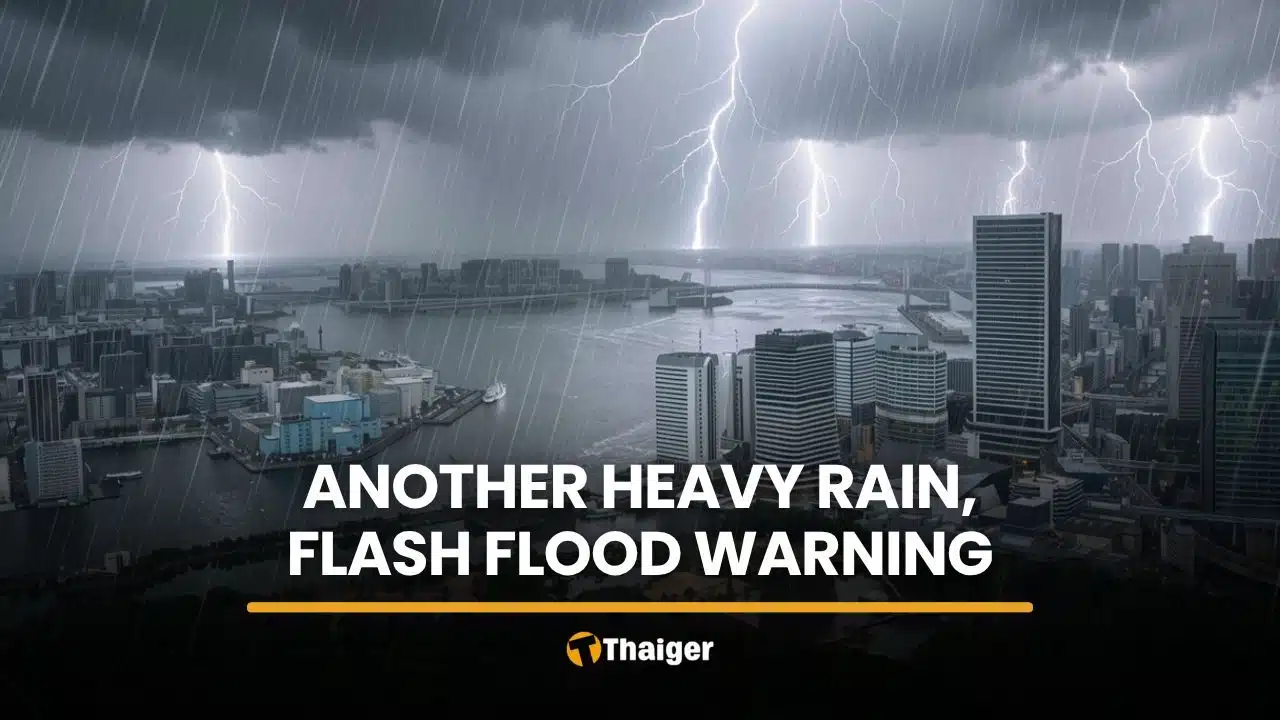
Thailand is again under alert for heavy rainfall and an increased risk of flash floods. The Thai Meteorological Department (TMD) issued a warning for September 23 through September 27. This forecast indicates very heavy rain in certain areas, initially affecting the lower Northeast and East, then extending to the North, Central Thailand—including Bangkok and its surrounding provinces—and the South. A strong low-pressure area over central Vietnam, expected to move across the lower Northeast, East, and Central Thailand, along with a monsoon trough across upper Thailand, is driving these conditions.
For households managing monthly expenses, these repeated weather events are more than just an inconvenience. September has been marked by a series of similar warnings. On September 15, warnings were issued for heavy rain and stormy seas from September 17 to September 20. Earlier in the month, The Straits Times reported on September 2 that Upper Thailand faced heavy rain and flood risk until September 7. These are not isolated incidents but a consistent pattern throughout the month.
The cumulative effect of these warnings and the associated risks on daily life warrants consideration. When a family faces the possibility of flash floods or run-off multiple times within a single month, decisions about commuting, work, and essential spending are altered. The Star reported on September 21 that Thailand’s reservoirs were 72% full, coinciding with flood risks in six provinces until that same day. While full reservoirs might aid water supply, they also amplify flood risks during heavy downpours, potentially placing a direct financial burden on those who must prepare for or recover from water damage.
Consider the implications for a household that relies on daily wages or operates a small business. Repeated disruptions due to heavy rain can mean lost income for vendors whose stalls become inaccessible or whose perishable goods are ruined. For commuters, increased travel times or damaged vehicles translate into higher transportation costs or unexpected repair bills. These are direct financial hits, not abstract economic indicators. Each flood warning compels a re-evaluation of immediate spending: perhaps an unplanned purchase of sandbags, or the cost of alternative transport if roads are impassable. The frequency of these alerts suggests that such adjustments are becoming a regular, unavoidable line item in many household budgets.
While the TMD’s warnings are critical for public safety and preparedness, the economic fallout for everyday citizens can be substantial. The argument that these are predictable seasonal events does not diminish their financial impact on families. The sustained nature of these warnings throughout September indicates that for many, managing the monsoon season is less about an annual event and more about a continuous financial drain that requires constant adaptation. The outcome now depends on how extensively these repeated warnings translate into actual, widespread disruption, and how quickly households can absorb the associated costs.
Sources
Newsletter
Pacific Daily
A curated briefing from Thailand, Asia-Pacific and the world.