Hong Kong’s Opera Landscape: Balancing Tradition and Urban Context
Opera Hong Kong’s recent Cav/Pag double bill offers insights into how established cultural forms navigate the demands of a dynamic urban environment.
HONG KONG
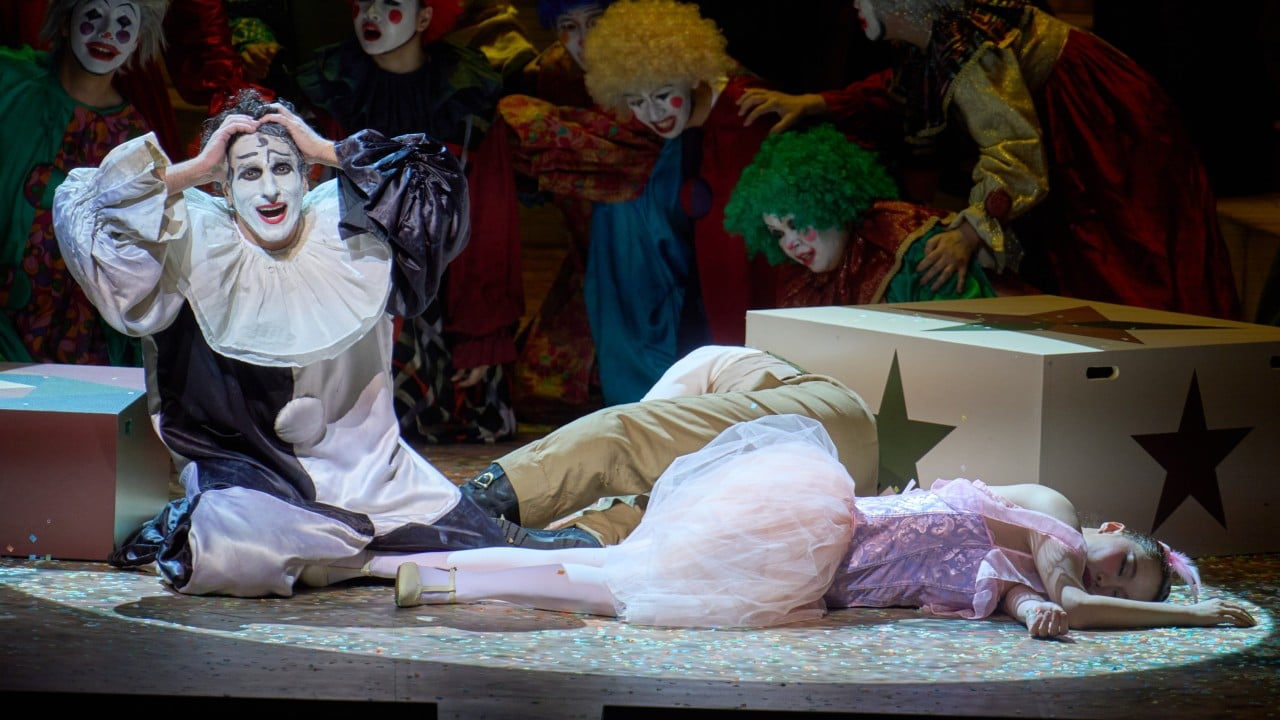
Opera Hong Kong presented its first fully staged production of Pietro Mascagni’s 1890 Cavalleria Rusticana and Ruggero Leoncavallo’s 1892 Pagliacci. This pairing, known as Cav/Pag, has been performed together since 1893. The 2026 Hong Kong staging prompts an examination of how cultural institutions function within a city where spatial limitations and audience engagement present distinct considerations.
Cavalleria Rusticana and Pagliacci, both set in the rural Italian south, explore themes of jealousy and betrayal. These narratives, rooted in 19th-century European sensibilities, arrived in Hong Kong in 2026. The transition of such works across geographies and time periods constitutes an act of cultural translation. Success in such an endeavor depends on conveying complex narratives and emotions without relying on the original context of performance venues, which were often purpose-built for acoustics and visual impact.
A production like this involves a substantial investment in staging, costumes, and vocal talent. The report from SCMP Lifestyle noted “lively staging” and “strong performances,” indicating a focus on the immediate audience experience. The operational success of an opera in Hong Kong, however, extends beyond the stage. It involves integrating the event into the city's broader cultural calendar and appealing to diverse demographics. Shanghai Opera House also staged Cavalleria Rusticana and Pagliacci in 2022, suggesting a regional interest in these specific works. This pattern implies that the enduring appeal of these operas, regardless of their historical setting, is a consistent factor in programming decisions across Asia.
The challenge for cultural presenters in high-density urban centers, from Hong Kong to Bangkok, lies in balancing the preservation of classical art forms with the demands of contemporary audiences. The architecture of the performance—the physical space, the audience’s comfort, and overall accessibility—must genuinely support the artistic endeavor. An opera production is not solely about the voices; it is about the environment in which those voices are heard. The design of the theatrical experience, from seating arrangements to sightlines, impacts how the narrative is received.
While the reported production does justice to the classic double bill, its deeper utility warrants consideration. Adapting a historical European art form for a dynamic Asian metropolis creates a persistent tension, as its survival depends on its relevance and effective spatial execution.
Sources
Newsletter
Pacific Daily
A curated briefing from Thailand, Asia-Pacific and the world.