The enduring palate: family recipes and the shifting landscape of taste in Asia
A Michelin star for a Vietnamese chef's family dish points to a deeper transformation of cultural value in the region.
SINGAPORE
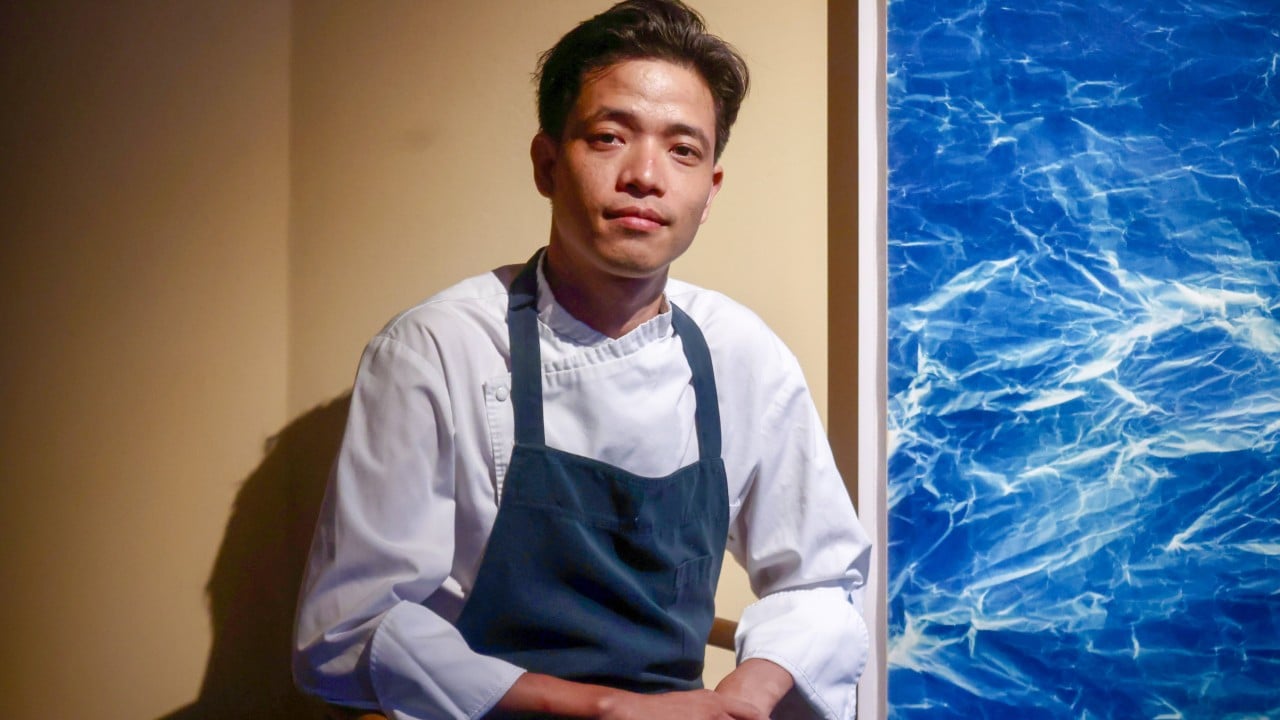
The ascent of Hiep Truong's Upstairs Tasting Room in Ho Chi Minh City, marked by a Michelin star for his rendition of `vit hon`, draws attention not just to a culinary achievement but to a broader cultural pattern. This traditional Central Vietnamese dish, braised with lemongrass, turmeric, coconut water, and fermented shrimp paste, represents a distinct thread in the region's gastronomic fabric. Its elevation to fine dining, while preserving its familial inspiration, suggests a revaluation of home traditions.
Historically, the recognition of culinary excellence in Asia-Pacific has often followed external benchmarks, with international guides shaping perceptions of value. Chef Truong's success, explicitly rooted in his mother's recipes and the family table, marks a divergence. It is not merely a chef adapting traditional elements; it is an affirmation that the intrinsic worth of these deeply local preparations can meet and exceed those global standards without abandoning their provenance. His choice to dry-age the duck for `vit hon` at his intimate tasting room highlights a method of enhancement that respects the original dish while applying refined technique, a blend of heritage and contemporary practice.
This shift reflects a larger trend where national identity, often expressed through craft and cuisine, is finding new forms of affirmation. Vietnam itself is experiencing significant economic and cultural momentum, with its international airports improving air connectivity and major corporations like Heineken expanding operations there. The nation's engagement in events like the Asia-Pacific Amateur Championship, alongside its President's call for 'responsible commitment' in the region, indicates a growing confidence on the global stage. This culinary recognition aligns with a broader narrative of a country asserting its distinct contributions, moving beyond previous frames of reference.
However, this celebration of 'family favourites' also presents a tension. As dishes rooted in domestic settings gain international acclaim, the very act of their formalisation and dry-aging introduces a distance from their original, unadorned context. While this process brings economic opportunity and global visibility, it implicitly alters the relationship between the dish and its everyday life. The 'family table' becomes an inspiration, rather than the primary site of consumption. The preservation of the original dish's essence, even as it is elevated, becomes paramount. The challenge lies in ensuring that the formal recognition does not inadvertently overshadow the informal cultural practices that gave birth to such dishes. It is a delicate balance, where the precise tastes of a home kitchen are translated to a broader audience without losing their authentic resonance.
Ultimately, Chef Truong's achievement serves as a quiet observation on what is being preserved and what is subtly reshaped. The foundational tastes of a household, once confined to private spaces, are now presented within a highly curated experience. This process of re-contextualisation, occurring across the Asia-Pacific, asks us to consider how much of the original intimacy remains when a family dish becomes a Michelin-starred feast.
Sources
Newsletter
Pacific Daily
A curated briefing from Thailand, Asia-Pacific and the world.